






Contentpen vs Writesonic
AI content is easy. Getting results is not!
We break down how Contentpen and Writesonic handle research, writing, automation, and traffic growth so you can choose wisely which is better for your organic traffic.
Compare features and workflow side by side
SEO research and planning
Contentpen guides keyword planning and search intent, and then evaluates and improves your content with built-in SEO scoring during and after writing.
End-to-end content workflow
From research and writing to optimization, internal linking, and publishing, everything lives in one system.
Performance analytics and opportunities
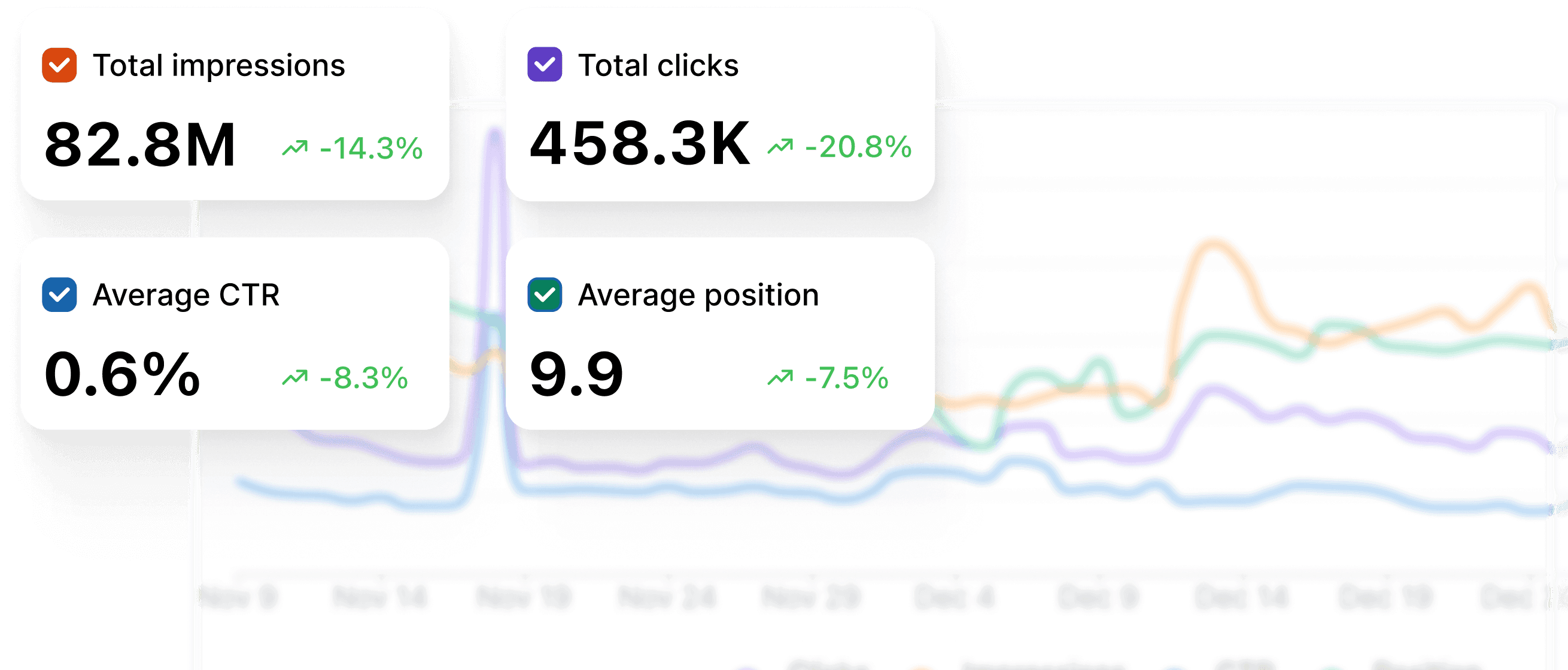
Integrated Search Console data shows clicks, impressions, and ranking gaps, so you can continuously improve content.
Automation and scaling
Bulk generation, structured workflows, and optimization suggestions make scaling SEO content predictable.
SEO assistance
Provides optimization features and integrations, though advanced research may require additional tools.
AI content generation
Offers AI writing tools for blogs, ads, landing pages, and marketing copy across multiple formats.
Chat-based content creation
Chat-style AI interface allows users to prompt and generate content interactively, similar to Contentpen’s Ask AI.
Multi-use marketing toolkit
Includes tools for social media, ads, ecommerce descriptions, and general marketing content.
What each platform actually offers
| Feature | ||
|---|---|---|
| SEO & research | ||
| Keyword research | ⚠️ Limited | ✓ |
| Search intent analysis | ⚠️ Limited | ✓ |
| Competitor SERP analysis | ⚠️ Limited | ✓ |
| SEO content scoring | ✓ | ✓ |
| Real-time optimization suggestions | ✓ | ✓ |
| Google Search Console Integration | ✕ | ✓ |
| Post-publish optimization insights | ✓ | ✓ |
| Content creation | ||
| long-form blog generation | ✓ | ✓ |
| AI chat interface | ✓ | ⚠️ Limited |
| Bulk article generation | ⚠️ Limited | ✓ |
| Content templates | ✓ | ✓ |
| Multi-language support | ✓ | ✓ |
| Workflow & automation | ||
| End-to-end seo workflow | ✕ | ✓ |
| Internal linking suggestions | ✕ | ✓ |
| Publishing support | ⚠️ Limited | ✓ |
| Content performance tracking | ✕ | ✓ |
| Opportunity identification | ✕ | ✓ |
| Pricing & accessibility | ||
| Free AI tools | ⚠️ Limited | ✓ |
| Transparent pricing for SEO workflows | ⚠️ Limited | ✓ |
| Requires extra SEO tools for the full workflow | ✓ | ✕ |
SEO & research
✓
⚠️ Limited
✓
⚠️ Limited
✓
⚠️ Limited
✓
✓
✓
✓
✓
✕
✓
✓
Content creation
✓
✓
⚠️ Limited
✓
✓
⚠️ Limited
✓
✓
✓
✓
Workflow & automation
✓
✕
✓
✕
✓
⚠️ Limited
✓
✕
✓
✕
Pricing & accessibility
✓
⚠️ Limited
✓
⚠️ Limited
✕
✓
Comparing the cost difference between Contentpen and Writesonic
billed annually
Save $140/year
Anyone wanting to test Contentpen's capabilities.
- •10 articles/month
- •1 workspace
- •1 user
- •30 AI images
- •Direct publishing to CMS (WordPress etc.)
- •Auto internal & external linking
- •Real-time factual data
- •Auto SERP analysis & research
billed annually
For freelancers who need professional SEO & content
- •Content strategy
- •15 articles per month
- •100 AI agent generations per month
- •6 SEO audits per month
- •1 user
- •1 project
Stories from teams using SEO tools every day

We started using Contentpen for our blog content, and the results have been incredible. Our average CTR jumped from 0.7% to 2.1%, and our average search position improved from 28.2 to 8.6. Contentpen made it easy to create content that actually performs in search, saving us time while driving real results.
Replug
Choosing Between an SEO System and an AI writing platform
Contentpen and Writesonic both use AI to create content, but they are built with different priorities. Understanding those priorities helps you choose the right tool for your goals.

Focusing on speed vs focus on traffic
Writesonic is designed for speed and versatility. It lets teams quickly generate blog posts, landing pages, ad copy, and social content, making it ideal for marketing campaigns or fast-turnaround projects. Contentpen, by contrast, emphasizes driving search traffic. It guides blog creation with keyword intent, SEO scoring, and post-publish optimization, ensuring each piece contributes to long-term, measurable growth.

Integrated SEO workflow vs flexible content toolkit
Contentpen combines research, writing,optimization,internal linking, publishing, and post-publish analysis in one system. This integration reduces manual work and makes it easier for teams to maintain consistent quality across multiple articles. Writesonic offers a broad set of AI tools for different content types, but to achieve strong SEO results, users often need to layer on extra tools or manually track performance metrics, which can create workflow friction.

Scaling with volume vs scaling with strategy
Writesonic excels at producing a large quantity of content quickly, which can be valuable for campaigns or social media output. However, quantity doesn’t always translate into traffic. Contentpen scales with strategy in mind, automatically identifying CTR gaps, content decay, and optimization opportunities to ensure that each article works harder for your search rankings, making scaling smarter, not just faster.

Short-term output vs long-term growth
Writesonic is excellent when the priority is immediate content across many formats, but it doesn’t actively track performance after publication. Contentpen continues working post-publish by analyzing performance metrics, surfacing opportunities to improve underperforming pages, and suggesting optimizations. This ongoing process helps content maintain or improve rankings over time, creating a sustainable SEO advantage rather than a one-off output.
Answering your questions about Contentpen vs Writesonic
Everything you need to know to understand the differences, features, and workflows of each platform.
Writesonic is worth it if you need a versatile AI writing platform that quickly generates blog content, marketing copy, ads, and landing pages across multiple formats. It’s especially useful for teams that value speed and flexibility, though its SEO optimization features may need to be combined with other tools for best results.
Contentpen is better than Writesonic when your focus is SEO-driven content that consistently grows organic traffic. It offers an end-to-end SEO workflow from research and optimization to publishing and performance analysis, while Writesonic prioritizes broad content generation across many formats.
AI tools like Contentpen and Writesonic are both good for blog writing, depending on your needs. Writesonic is strong at fast content generation across topics, while Contentpen excels at producing SEO-optimized blog content with integrated keyword research, intent analysis, and post-publish optimization suggestions.
Writesonic is mainly used for generating a wide range of AI content, including blog posts, landing pages, social media copy, ads, product descriptions, and marketing materials. It’s popular with marketers and creators who need flexible, high-volume content production.
Contentpen is mainly used for SEO-focused long-form content creation, keyword research, optimization, and continuous performance improvements. It supports an entire content workflow, from strategy and writing to publishing and ongoing traffic optimization.
Both Contentpen and Writesonic generate natural language content, but the perceived quality depends on use case and prompts. Writesonic’s output tends to be more versatile for different formats, while Contentpen’s SEO-aligned writing is designed to be more search and intent-focused, often resulting in content that feels more tailored and purpose-driven.