 30 minutes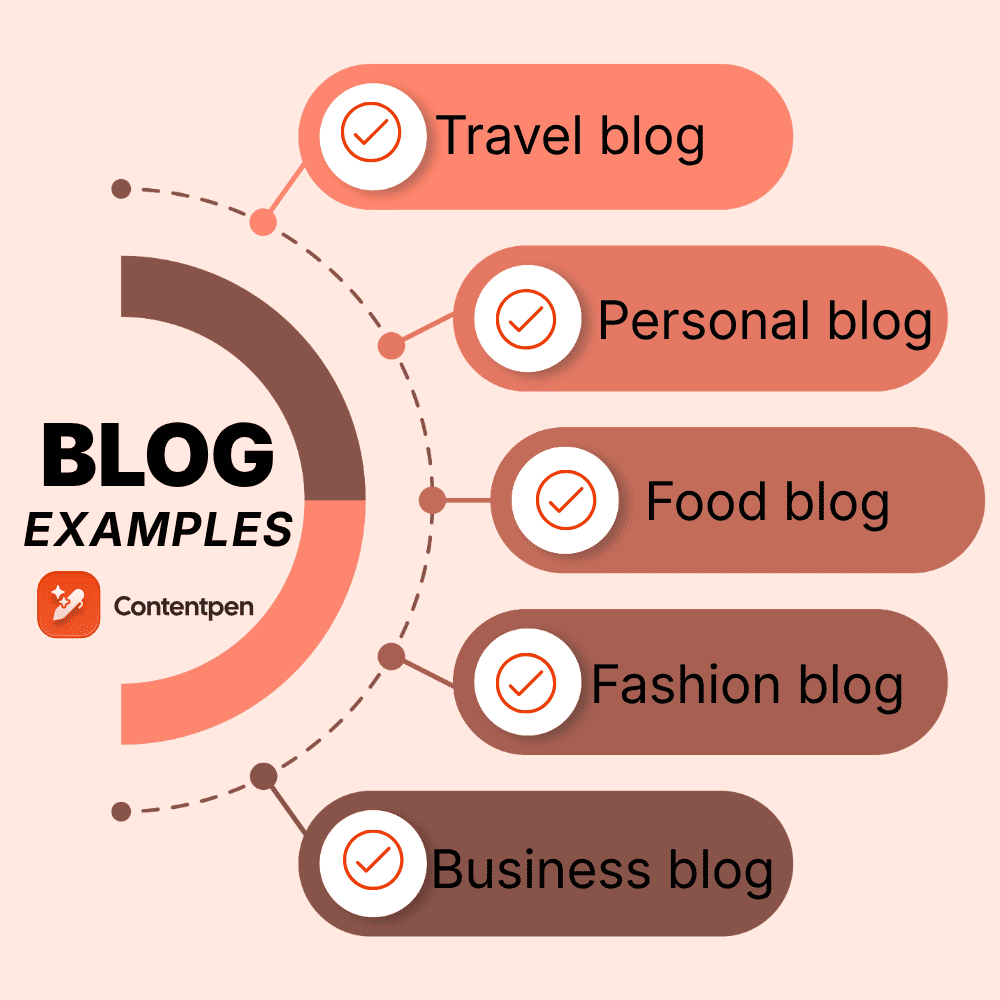
If you have ever searched for blog examples, chances are you were not just looking to read!
You were looking to understand what a good blog post actually looks like. How it starts, how it flows, and how it keeps people reading.
Writing a blog post sounds simple until you sit down to do it. Suddenly, you are unsure about the tone, the structure, or even how long it should be. That is where real blog post examples help.
In this guide, we will walk through clear, practical blog examples you can learn from and use for inspiration. We will dissect them to help you understand what makes them stand out.
By the end of this post, you will not just see blog post examples. You will understand why they work and how you can apply the same ideas to your own content on Contentpen.ai.
Best blog examples by niche
Different niches need different writing styles and formats. A personal blog will not look the same as a SaaS or marketing blog, and that is completely normal.
That is why looking at blog examples for beginners helps you understand what works best for your topic and audience before you start writing.
Travel blog example
One of the best travel blog examples you can learn from is Adventurous Kate. On this blog, Kate shares her personal travel stories, helpful tips, and honest insights from destinations around the world.
1. Adventurous Kate
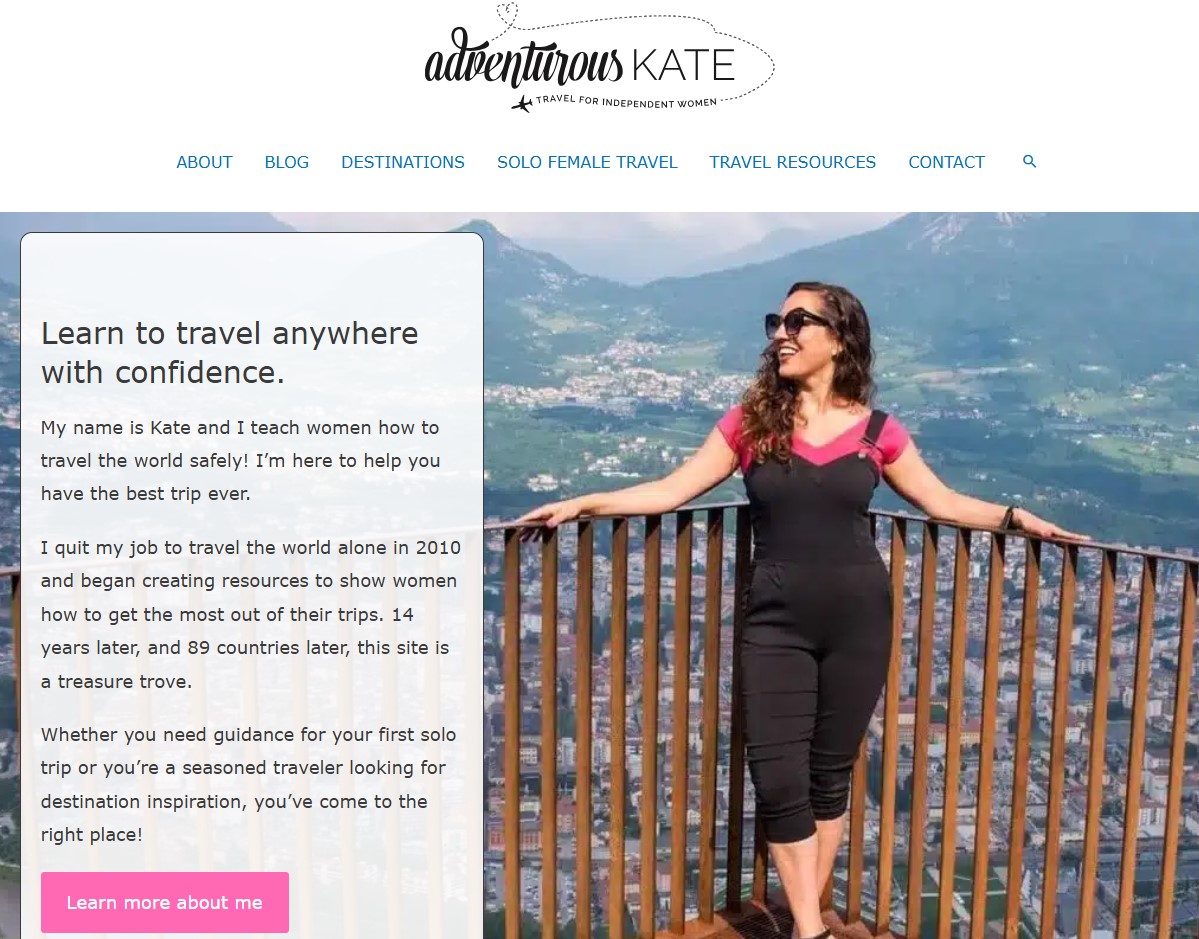
Here’s why it works so well for travel content:
Niche and unique voice
- Focuses on solo female travel, giving the blog a clear identity.
- Kate’s personal experiences make the content relatable and authentic.
Content that works
- Combines storytelling with practical advice, like safety tips, budgeting, and destination guides.
- Posts include actionable tips readers can use immediately on their own trips.
Structure and readability
- Uses headings, short paragraphs, and bullet points, making the posts easy to skim.
- Integrates engaging images and travel photography to make the content visually appealing.
Takeaways for travel bloggers
- Focus on a specific audience to create a strong connection.
- Mix personal stories with practical guidance to make your posts both enjoyable and useful.
- Present content in a way that is easy to read and visually engaging.
Adventurous Kate is an excellent travel blog example for beginners and experienced writers alike. This is because it shows how combining niche focus, storytelling, and practical tips creates content that people want to read and share.
Personal blog post example
A great personal blog to learn from is Ganges Gal. On this blog, the author shares personal experiences, reflections, and lifestyle stories that feel honest and relatable.
It’s a perfect reference for anyone looking for personal blog post examples to inspire their own writing.
2. Ganges Gal
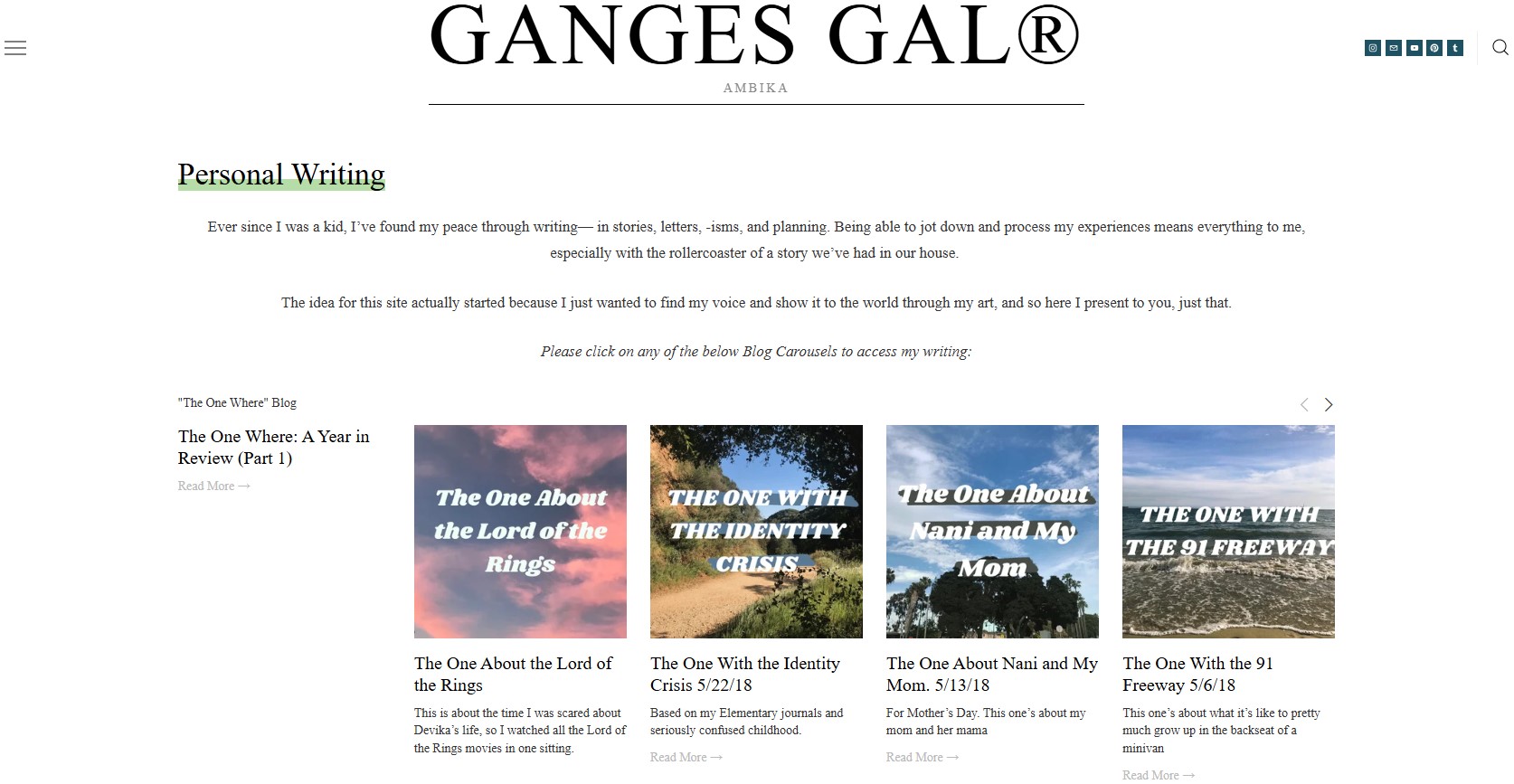
Ganges Gal shows how personal blogging can engage and inspire readers. Below, we break down the elements that make it successful.
Authentic storytelling
- Every post shares real experiences, emotions, and lessons from the author’s life.
- Readers feel a personal connection, as if they are having a conversation with the blogger.
Relatability and connection
- Covers everyday experiences, lifestyle insights, and personal reflections that resonate with readers.
- Encourages engagement because readers see themselves in the stories.
Visual and emotional appeal
- Uses images, formatting, and thoughtful reflections to make the content both visually appealing and emotionally engaging.
- Short paragraphs and clear sections make it easy to read without losing the storytelling flow.
Takeaways for personal bloggers
- Share your own voice and unique perspective to make your posts feel authentic and engaging.
- Focus on small, relatable stories or reflections that your readers can connect with in their own lives.
- Use casual language, storytelling, and images thoughtfully to create a warm, inviting reading experience.
Food blog example
One of the best food blogs to learn from is Pinch of Yum. This blog shares delicious recipes, cooking tips, and meal inspiration in a way that is approachable for both beginners and seasoned cooks.
3. Pinch of Yum
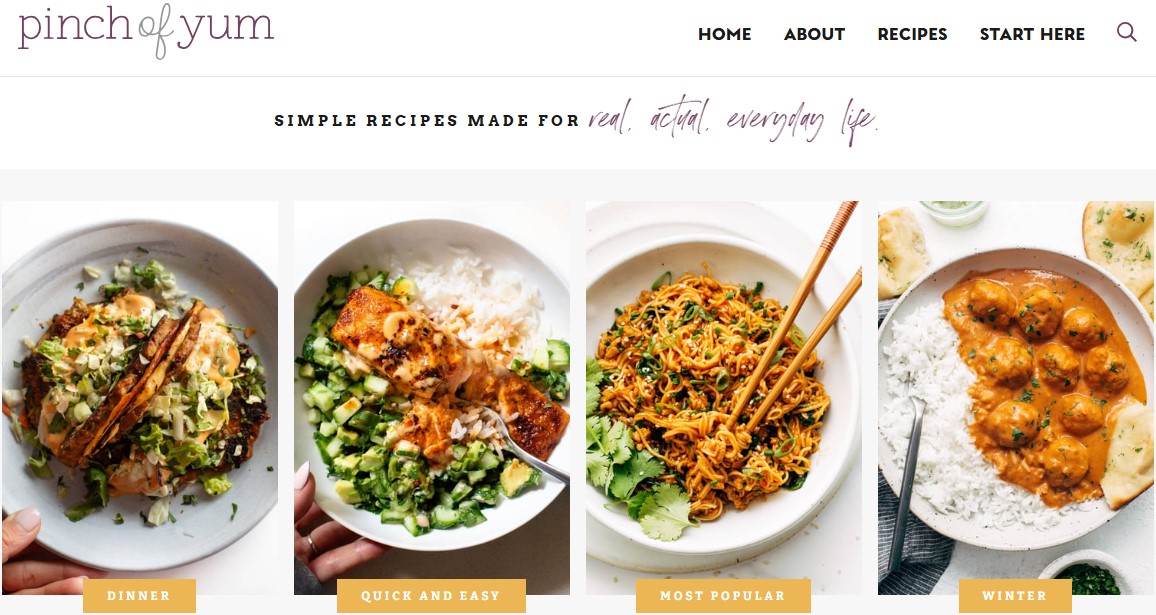
What makes this blog stand out in the food blogging world is how it combines clear instructions, engaging visuals, and personal touches. Here’s a closer look at why it works so well:
Recipe clarity and usability
- Each post provides step-by-step instructions that are easy to follow.
- Ingredients and measurements are clearly listed, making it simple for readers to recreate the dishes at home.
Engaging visuals
- High-quality photos accompany every recipe, showing the finished dish and, in some cases, the cooking process.
- Visuals make the posts more appealing and help readers understand each step better.
Personal touch and storytelling
- Posts often include short stories, tips, or anecdotes from the author’s kitchen.
- Adds personality to the blog, making it more relatable and enjoyable to read.
Takeaways for food bloggers
- Make your instructions clear and easy to follow so readers can succeed.
- Use strong visuals to make your content more engaging and easier to understand.
- Add personal touches or small stories to connect with your audience and make your blog memorable.
Pinch of Yum is an excellent example of a food blog because it shows how combining clarity, visuals, and personality creates content readers want to try, share, and come back for.
Fashion blog example
A top fashion blog to learn from is Who What Wear. This blog shares the latest trends, style tips, celebrity looks, and shopping guides in a way that’s fun, informative, and easy to navigate.
4. Who What Wear

What makes this fashion blog stand out is its ability to combine trend reporting, practical style advice, and visual inspiration.
Here’s what sets this blog apart and keeps readers coming back for style advice.
Trend awareness and expertise
- Covers the latest fashion trends, celebrity styles, and seasonal must-haves.
- Positions the blog as a reliable source for current fashion news and guidance.
Visual storytelling
- Uses high-quality images, lookbooks, and outfit inspiration to engage readers.
- Helps readers visualize trends and how to apply them in real life.
Practical advice and accessibility
- Posts include tips on how to style outfits, shop smartly, or adapt trends for different budgets.
- Makes fashion content actionable rather than just aspirational.
Takeaways for fashion bloggers
- Stay updated on trends to provide timely and relevant content.
- Use strong visuals to inspire and guide your audience.
- Combine style tips with practical advice so readers can apply ideas to their own wardrobe.
Who What Wear shows how knowing the latest trends keeps content relevant. The blog also uses strong visual storytelling to engage readers. On top of that, actionable style tips make the content practical and valuable for anyone following along.
WordPress blog example
If you’re looking for a WordPress blog that makes technical topics easy to understand, ValueCoders is a great place to start. The blog offers practical tips, tutorials, and insights on building and optimizing websites. It’s a clear example of how even complex WordPress content can be approachable and helpful for readers.
5. ValueCoders
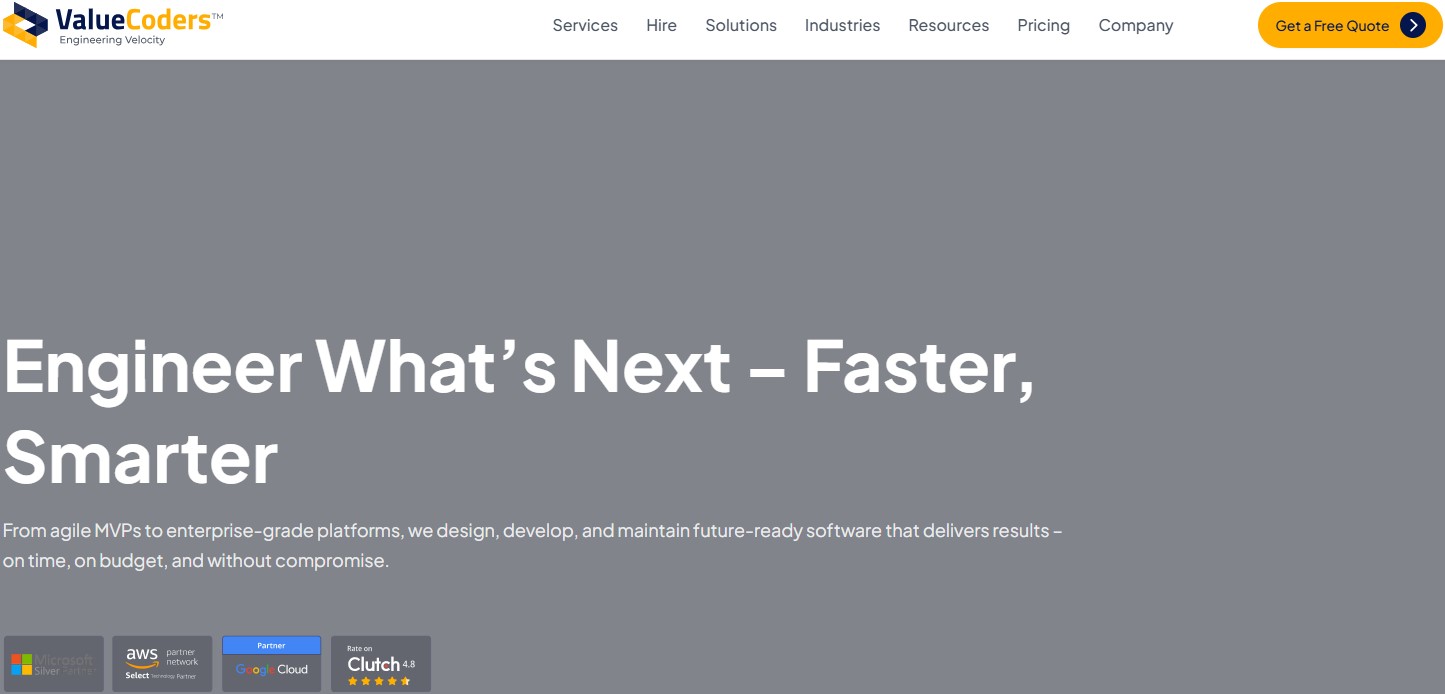
This blog works well because it combines technical expertise with approachable explanations. Here’s what makes it stand out:
Clear tutorials and guides
- Offers step-by-step WordPress tutorials that are easy to follow.
- Covers a wide range of topics, from plugin setups to performance optimization.
Practical insights
- Posts include actionable tips that developers and site owners can implement immediately.
- Breaks down complex technical concepts into simple, understandable language.
Organized and user-friendly
- Uses headings, numbered steps, and screenshots to make content easy to skim.
- Helps readers quickly find the information they need without feeling overwhelmed.
Takeaways for WordPress bloggers
- Break down technical topics into simple steps to make them accessible.
- Include visuals like screenshots to guide readers through processes.
- Focus on practical advice that readers can implement right away.
Business blog example
When it comes to business insights and leadership advice, Harvard Business Review (HBR) is a standout example. This business blog covers management strategies, case studies, and trends in the corporate world, making complex business ideas easy to understand.
6. Harvard Business Review (HBR)
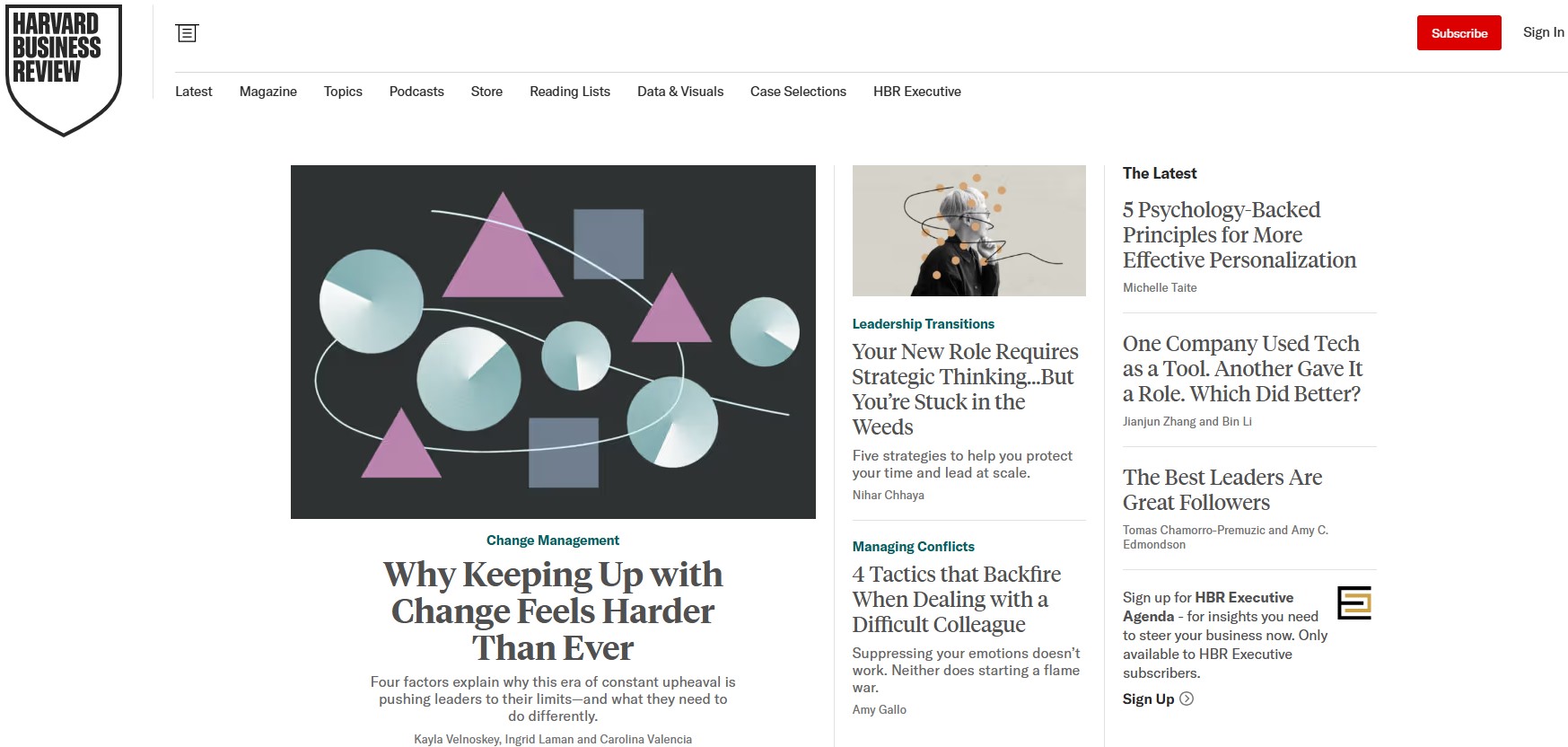
Let’s explore the key features that make this business blog a trusted resource for professionals.
Authoritative insights
- Offers articles written by industry experts, professors, and thought leaders.
- Covers topics like leadership, strategy, innovation, and organizational behavior.
Practical and actionable content
- Provides guidance and tips that business professionals can apply in real-world scenarios.
- Breaks down complex ideas into examples, frameworks, and step-by-step approaches.
Readable and structured
- Uses headings, bullet points, and visuals to make dense topics more approachable.
- Allows readers to skim or deep-dive as needed, making the content flexible for busy professionals.
Takeaways for business bloggers
- Establish authority by including expert opinions or research-backed insights.
- Make complex topics practical and actionable for your audience.
- Structure content clearly to make it easy for readers to absorb and implement ideas.
Academic blog example
For students, researchers, and academic writers, The Thesis Whisperer is a standout blog. The blog focuses on writing, research tips, and navigating the challenges of academia.
It’s a clear example of how academic content can be practical, engaging, and easy to follow, making it a perfect resource for those looking for academic blog post examples.
7. The Thesis Whisperer
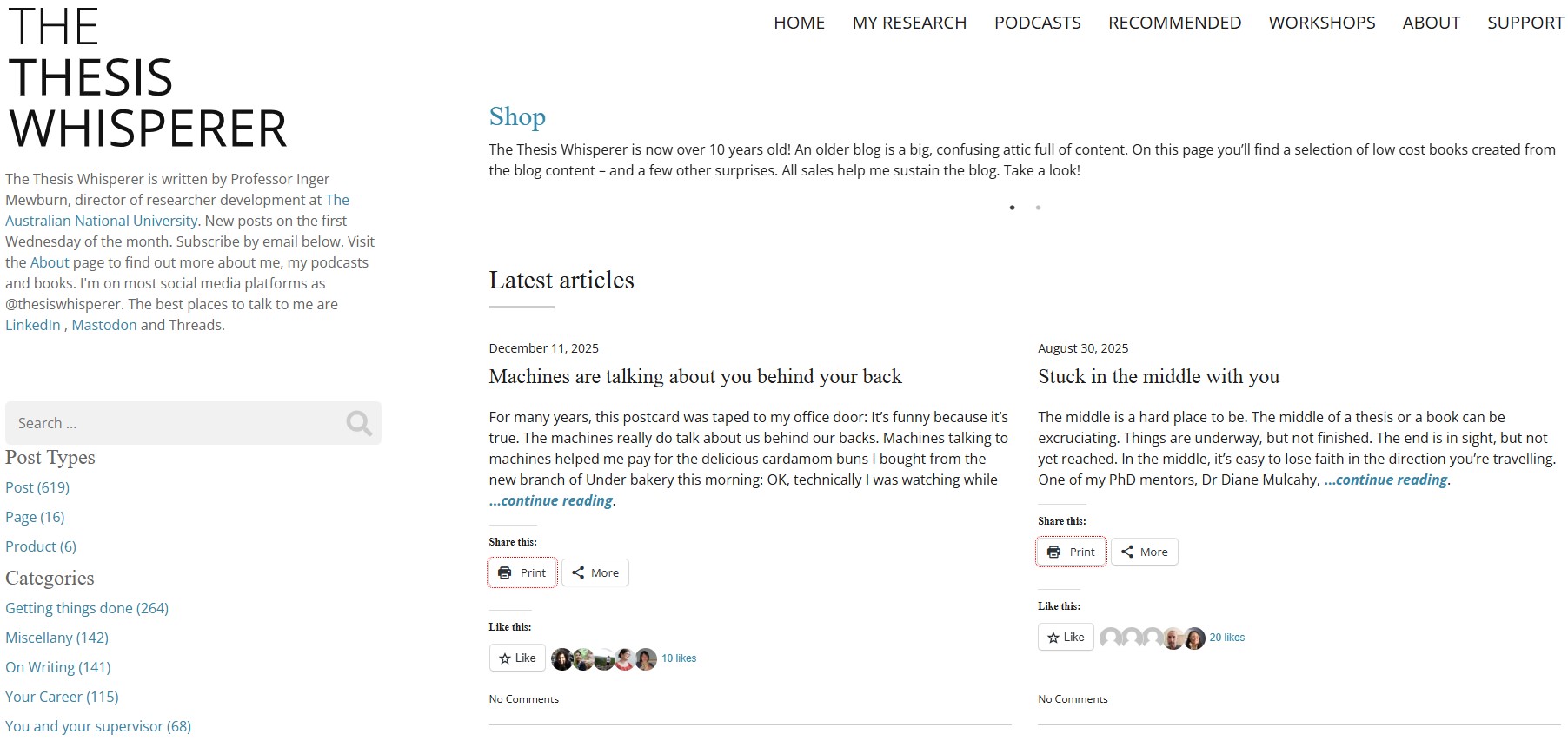
What makes this academic blog stand out is its combination of expertise and approachable guidance. Here’s what works particularly well:
Expert advice made accessible
- Covers topics like thesis writing, research methods, and academic career guidance.
- Breaks down complex academic concepts into clear, understandable guidance.
Practical tips for students
- Posts include actionable strategies, checklists, and examples students can apply immediately.
- Helps readers improve writing, research, and productivity in tangible ways.
Supportive and engaging tone
- Uses a friendly, encouraging tone that resonates with students and early-career researchers.
- Includes personal stories, reflections, and resources that make the blog relatable and motivating.
Takeaways for academic bloggers
- Share expert knowledge in a way that is easy for your audience to understand.
- Provide actionable tips, checklists, or examples to help readers implement advice.
- Keep your tone supportive and relatable to engage students or beginner readers.
The Thesis Whisperer is an excellent blog example for students as it demonstrates how expert guidance, practical tips, and an encouraging tone can make even complex topics approachable and useful.
Lifestyle blog example
Sincerely Katerina invites readers into a mix of real-life experiences, creative ideas, and everyday inspiration. From wellness routines to travel adventures, the blog gives practical tips while sharing personal stories.
If you’re looking for blog examples about life, this blog shows how personal insights and actionable advice can work together beautifully.
8. Sincerely Katerina
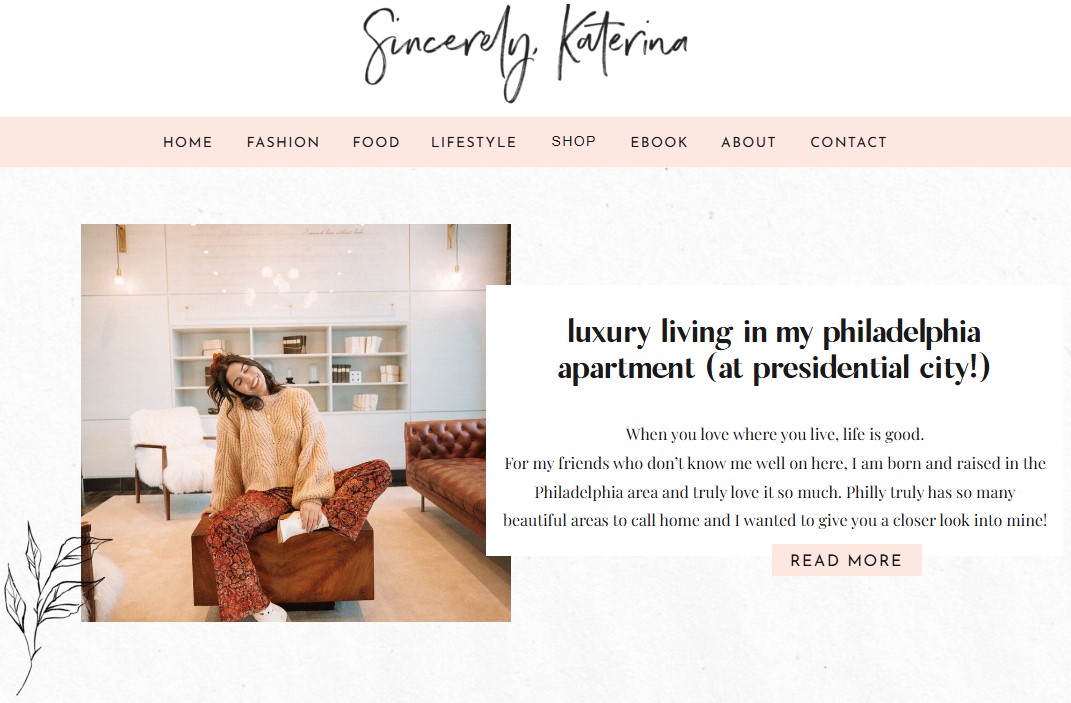
The blog shines because it mixes real-life experiences with actionable ideas. Let’s break down the elements that make it so engaging.
Relatable personal experiences
- Shares everyday moments, challenges, and achievements that readers can relate to.
- Makes the content feel authentic and approachable, as if the blogger is talking directly to the reader.
Practical lifestyle tips
- Includes actionable advice on productivity, wellness, home organization, and travel.
- Posts combine inspiration with practical steps readers can implement in their own lives.
Engaging visuals and layout
- Uses photos, clean design, and easy-to-read formatting to enhance the content.
- Makes posts visually appealing and easy to skim, keeping readers engaged.
Takeaways for lifestyle bloggers
- Share personal experiences that your audience can relate to.
- Provide practical tips or advice that readers can apply in their daily lives.
- Use visuals and clean formatting to make your posts engaging and easy to read.
Technology blog example
If you want to stay on top of tech news, startups, and innovations, TechCrunch is a go-to resource. The blog covers breaking news, in-depth analyses, and industry trends, making it a prime example of how a technology blog can be timely, informative, and highly engaging.
9. TechCrunch

What sets this technology blog apart is its ability to combine fast reporting with detailed insights. Here’s how it keeps readers informed and engaged:
Timely news and updates
- Covers the latest developments in tech, startups, gadgets, and apps.
- Readers can rely on the blog to stay updated with industry trends as they happen.
Expert analysis and insights
- Posts include commentary, data-driven insights, and expert opinions.
- Goes beyond reporting to explain why news matters and what it means for the industry.
Engaging and structured content
- Uses headings, bullet points, and visuals to make articles easy to skim.
- Headlines and summaries allow readers to quickly find the stories most relevant to them.
Takeaways for tech bloggers
- Combine timely reporting with expert commentary to create value for readers.
- Structure content clearly with headings, bullet points, and summaries to improve readability.
- Focus on trending topics to keep your blog relevant and engaging.
Home and design blog example
For anyone interested in interior design, decorating tips, or home styling ideas, Style by Emily Henderson is a standout resource. The blog offers creative ideas, room makeovers, and practical design tips, making it a great example of how home and design content can be both inspiring and actionable.
10. Style by Emily Henderson

This blog works because it blends expert design knowledge with approachable advice. Here’s what makes it successful:
Creative and inspiring ideas
- Showcases room transformations, decor trends, and styling tips.
- Provides readers with inspiration they can adapt to their own spaces.
Practical guidance
- Offers step-by-step advice, shopping guides, and DIY tips that are easy to implement.
- Helps readers turn ideas into reality without feeling overwhelmed.
Visually engaging presentation
- Uses high-quality photos, videos, and layouts to make posts visually appealing.
- Organizes content clearly so readers can easily find ideas and tutorials.
Takeaways for home bloggers
- Show real-life transformations or before-and-after examples to make ideas relatable.
- Highlight practical design tips that readers can realistically implement in their own homes.
- Organize content with clear sections and visuals so readers can easily follow and replicate your ideas.
If you want more inspiration in this space, browse our roundup of the best blog examples for students to see how educational writing connects with academic audiences.
Finance blog example
When it comes to understanding complex financial topics, Finance Watch makes it approachable. The blog provides insights into regulations, market trends, and economic policies, helping readers make sense of finance in a practical way.
11. Finance Watch
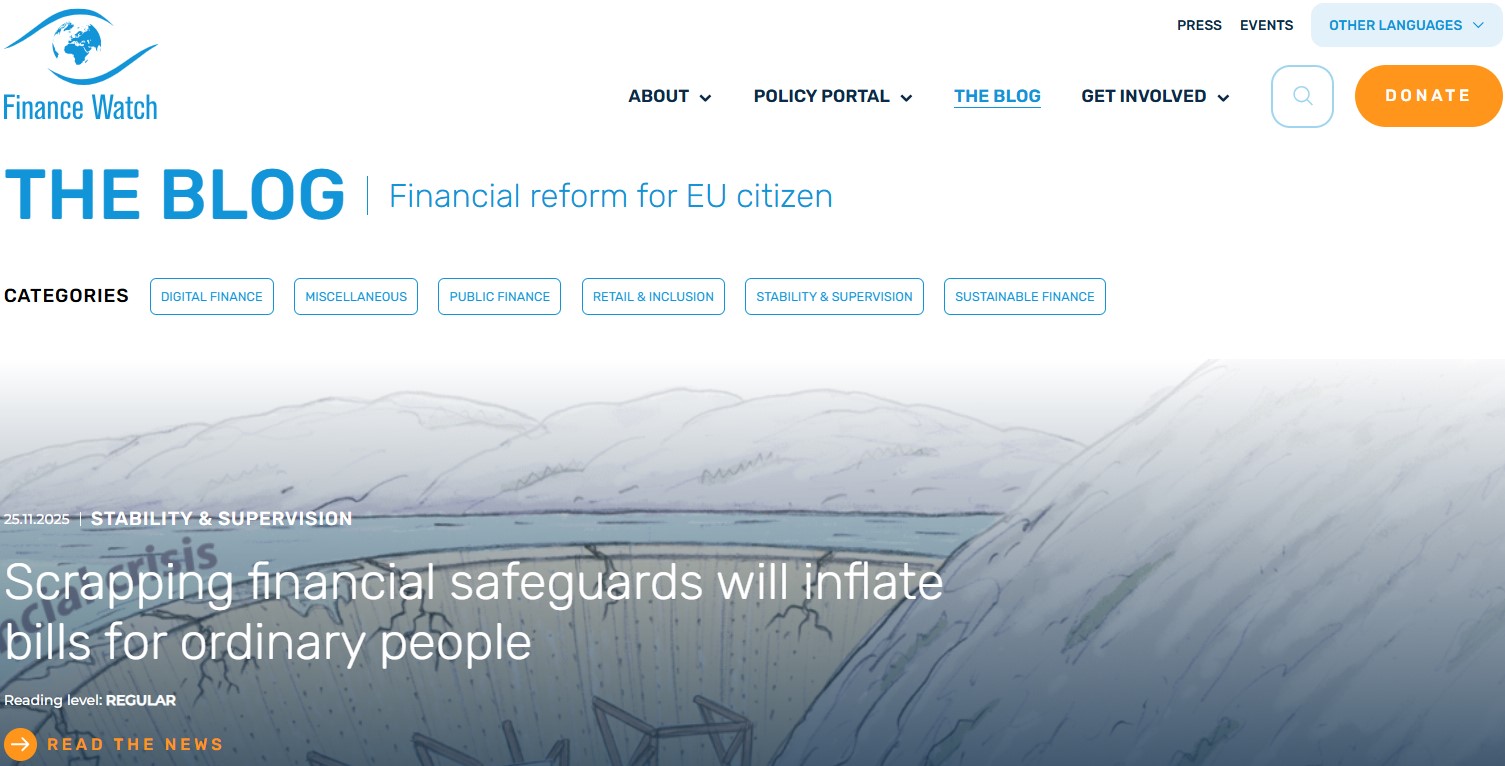
Finance Watch keeps readers informed by combining deep expertise with straightforward explanations. Let’s break down how it achieves this:
Expert financial insights
- Offers in-depth analysis of financial regulations, market trends, and economic policies.
- Written by professionals with strong expertise in finance and economics.
Clear and actionable content
- Breaks down complex topics into digestible explanations and summaries.
- Provides recommendations and guidance that readers can apply in financial decision-making.
Structured and reader-friendly layout
- Uses headings, bullet points, and visuals to make dense content easier to follow.
- Helps readers quickly locate the sections most relevant to their interests
Takeaways for finance bloggers
- Focus on breaking down complex financial regulations and market trends into practical insights readers can use.
- Provide real-world examples or case studies to illustrate abstract concepts.
- Use charts, graphs, and tables to visualize data and make dense financial information easy to digest.
Also read: E-commerce blog examples to read in 2026.
Art and photography blog example
If you want to see how professional photographers and artists approach their craft, AGI Fine Art is full of insights that go beyond tutorials. From mastering lighting and composition to understanding emerging art trends, the blog shows how creativity and technique come together in real projects.
12. AGI Fine Art

This blog shines by combining visual inspiration with actionable advice for artists and photographers. Here’s what makes it effective:
Creative guidance and techniques
- Offers tutorials, tips, and advice on photography, composition, and art practices.
- Helps readers improve their skills and apply techniques to their own projects.
Showcasing artistic work
- Features examples of professional artworks and photography to inspire readers.
- Encourages creativity by demonstrating different styles, mediums, and approaches.
Engaging and visually rich content
- Uses high-quality images, step-by-step visuals, and clear formatting to enhance understanding.
- Makes posts both inspiring and easy to navigate for creative learners.
Takeaways for art bloggers
- Provide tutorials or step-by-step advice to help readers improve their craft.
- Include examples of professional work to inspire creativity and showcase quality standards.
- Use high-quality visuals and clear layouts to make content engaging and easy to follow.
Health & wellness blog example
Staying fit and informed about health can feel overwhelming, but ACE Fitness Expert Articles make it approachable. The blog offers evidence-based tips, exercise routines, and nutrition advice, showing how health and wellness content can be practical, trustworthy, and motivating.
13. ACE Fitness
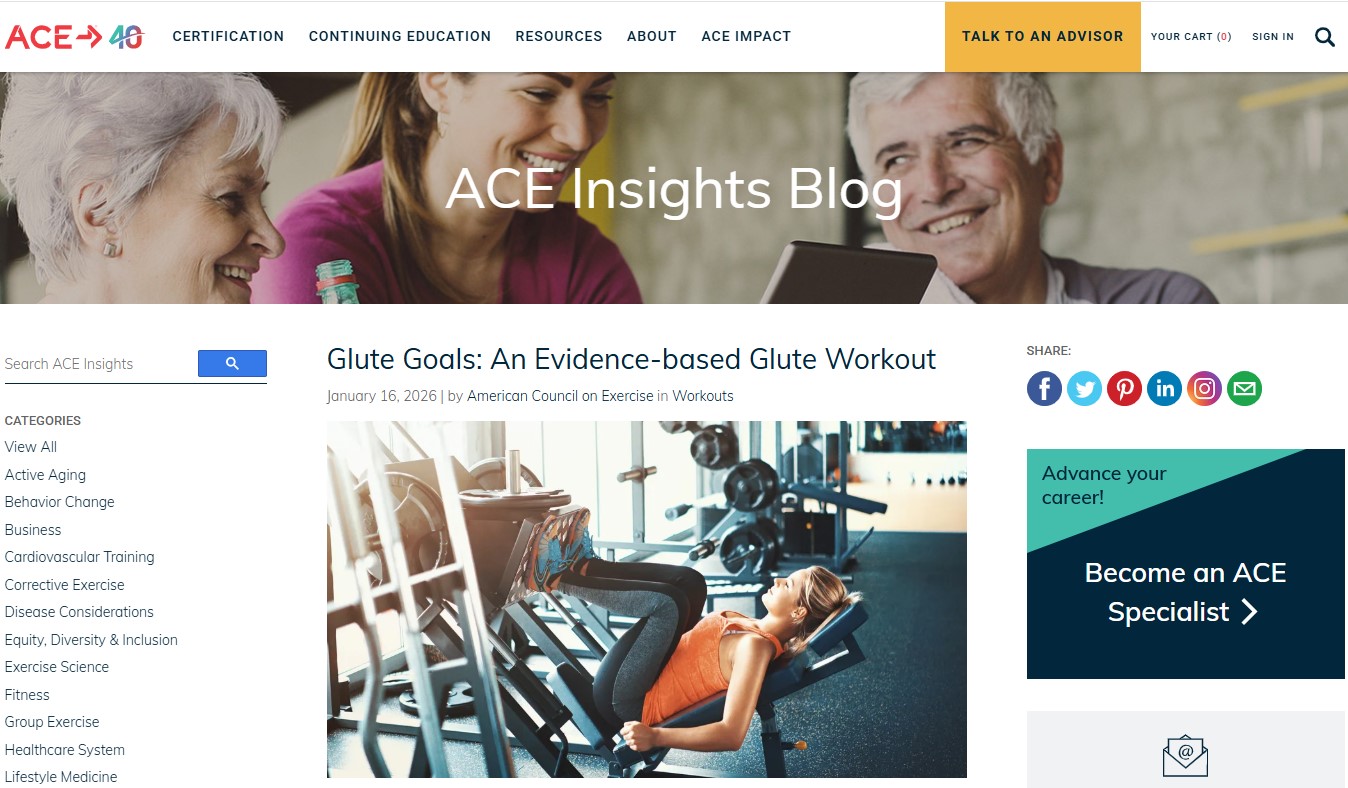
This blog stands out by combining scientific knowledge with clear, actionable guidance. Here’s why readers keep coming back:
Evidence-based guidance
- Provides fitness and wellness advice backed by research and professional expertise.
- Ensures readers receive accurate, trustworthy information on exercise, nutrition, and overall health.
Practical, actionable tips
- Shares workout plans, nutrition strategies, and lifestyle advice that readers can implement immediately.
- Breaks down routines into steps that are easy to follow, whether you’re a beginner or experienced.
Clear structure and readability
- Uses headings, bullet points, and visuals like charts and diagrams to make content easy to digest.
- Allows readers to skim for the most relevant advice without losing context.
Takeaways for health and wellness bloggers
- Base your health content on credible research and expert insights to build trust.
- Provide step-by-step instructions or routines so readers can apply advice easily.
- Use visuals, headings, and bullet points to make dense wellness topics accessible and engaging.
Types of blog posts examples
Every blog post has its own personality and purpose. Knowing the formats that work can help you plan content that’s both engaging and effective. From educational guides to personal stories, there’s a style for every goal and niche.
Here’s a quick look at some common types of blog posts you can explore:
- How-to guides and tutorials: Step-by-step posts that teach readers how to do something, whether it’s setting up a website, cooking a recipe, or mastering a skill.
- Listicles and “Best Of” blog posts: Posts organized into lists, like “10 Tips for Better Productivity” or “Best Travel Apps for 2026,” making it easy for readers to skim and absorb information quickly.
- Reviews & comparisons blog posts: Posts that evaluate products, services, or tools, often comparing options to help readers make informed decisions.
- Personal stories and lifestyle blog posts: Posts where writers share experiences, lessons, or reflections that inspire, entertain, or connect with readers on a personal level.
- News & trends blog posts: Posts covering the latest updates, emerging trends, or hot topics in a niche, keeping readers informed and engaged.
Looking at these different styles can help spark ideas for your own content.
The blog posts below show that whether you’re teaching, sharing a story, or analyzing a trend, picking the right format makes your posts more engaging and valuable.
How-to guides and tutorials blog posts example
How-to guides and tutorials are among the most practical types of blog posts you can write. They help readers accomplish a goal, solve a problem, or learn a process from start to finish.
Because they focus on actionable steps, they work exceptionally well for topics where readers are looking to learn something specific.
When to use how-to and tutorial posts?
How-to and tutorial blog posts fit best for content that involves teachable skills or clear actions, such as:
- Educational topics: Writing, coding, language learning, or academic skills
- Technical processes: Setting up software, troubleshooting tools, or web development
- Creative skills: Photography techniques, crafting, design tools
- Productivity and workflow: Setting up systems, using apps, planning routines
- DIY and lifestyle projects: Recipes, home improvement, fitness routines
These posts are especially helpful when your audience is actively looking to learn something step by step.
14. How to Write a Blog Post by Contentpen
A great real-world example of a how-to post is this guide on “How to write a blog post” from Contentpen:
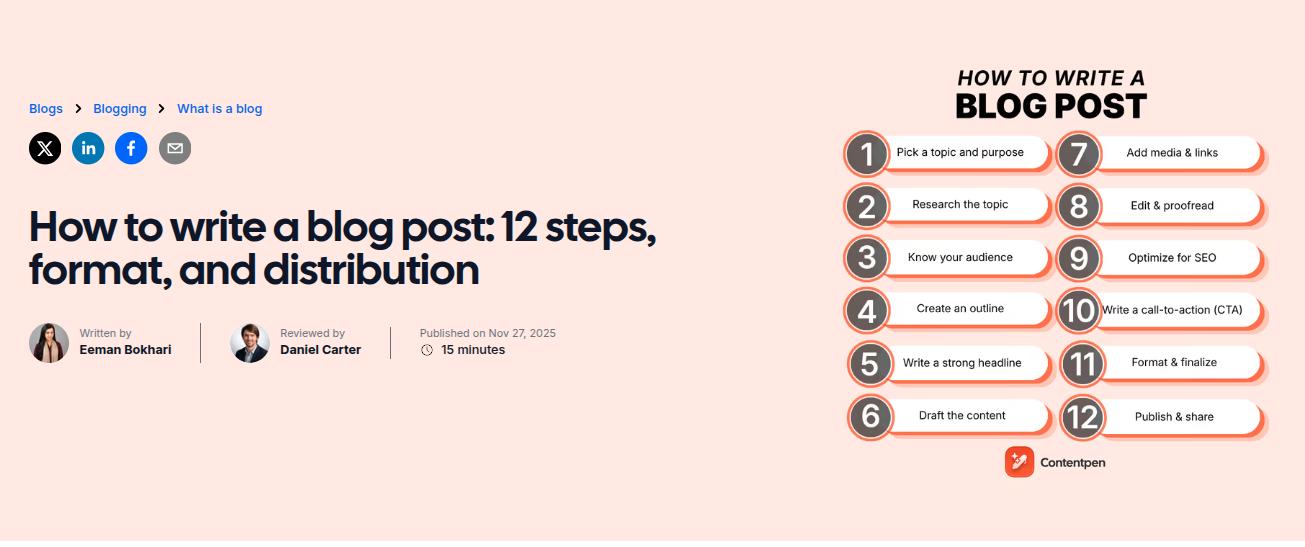
In this post, the writer breaks a complex topic into clear steps. Instead of assuming the reader already knows blogging basics, the article:
- Explains why each step matters
- Shows how to do it in practice
- Uses clear language without jargon
This makes the post useful for both beginners and experienced writers who want a solid, repeatable process.
Common structure of how-to blog posts
Most successful tutorial posts follow a loose but effective structure. This pattern helps readers follow along and complete the task they came to learn:
| 1. Introduction – Explain the problem or task – Clarify who the post is for – Set expectations for what readers will learn 2. Step-by-step instructions – Break the task into logical stages – Use numbered steps or clear headings – Keep each step focused and actionable 3. Examples or visuals – Screenshots, photos, or diagrams that illustrate key points – Real examples to show the result of each step 4. Tips, warnings, and alternatives – Common mistakes to avoid – Shortcuts or best practices – Different options depending on the reader’s goals 5. Conclusion or next steps – Recap what was learned – Suggest related tasks or deeper learning |
Listicles and “Best Of” blog posts example
Listicles and “Best Of” posts are some of the easiest types of content for readers to scan and enjoy. They break information into bite-sized chunks, making it simple to skim, absorb, and take action.
These posts work especially well when readers want quick ideas, comparisons, or curated recommendations without having to read a long article.
When to use listicles and “Best Of” posts
This type of post fits best for content that involves:
- Curated recommendations: Best tools, resources, apps, books, or software
- Tips and ideas: Lists of tips for productivity, writing, design, or lifestyle
- Comparisons at a glance: Quick overviews of options with benefits and differences
- Inspiration: Things like “top trends,” “creative ideas,” or “best examples” in a niche
- Quick value: Posts that are easy to read and share without heavy analysis
Listicles work well for topics where readers want fast takeaways instead of deep explanations.
15. Best AI Tools for Content Creation by Contentpen
A strong example of this format is the post “Best AI Tools for Content Creation” from Contentpen.

In this article, the writer presents a curated list of top AI tools that help with content creation. Instead of explaining each tool in one long paragraph, the post:
- Lists each tool clearly with a short summary
- Highlights key features readers care about
- Helps readers decide which tool might work best for their needs
This makes the content easy to skim and useful, especially for busy readers who want to find options quickly rather than read a long comparison article.
Common structure of listicle and “Best Of” blog posts
Even though listicles can vary in length and topic, most follow a recognizable and effective pattern:
| 1. Clear headline – Includes a number (e.g., “17 Best AI Tools…”) – Tells the reader what they can expect 2. Short intro – Explains why the list matters – Sets expectations for what readers will find 3. The list itself – Each item has a subheading, a short description, and sometimes a visual – Often includes pros, key features, or tips related to the item 4. Wrap-up – Quick summary of the list – Suggests next steps or alternate tools |
Reviews & comparisons blog posts example
Reviews and comparison blog posts help readers make decisions. Instead of just explaining a topic, these posts evaluate products, tools, or services and show how they stack up against each other.
Also read: 23 best product blog examples in 2026.
This type of content works really well when someone is trying to choose between options and wants honest insights rather than general information.
When to use reviews and comparison posts
This format fits best for topics where people are weighing choices, such as:
- Software or tools: Comparing features, pricing, and performance
- Gadgets or gear: Evaluating pros and cons of devices or accessories
- Services: Reviewing what you get from different providers
- Platforms or apps: Helping readers choose which platform suits their needs
- Any decision point: Where readers want a side-by-side look before buying or trying
These posts are especially useful when your audience is ready to decide and just needs clear information to help them choose.
16. Bitly vs Linktree vs Replug by Replug.io
Check out this comparison post, “Bitly vs Linktree vs Replug” from Replug:
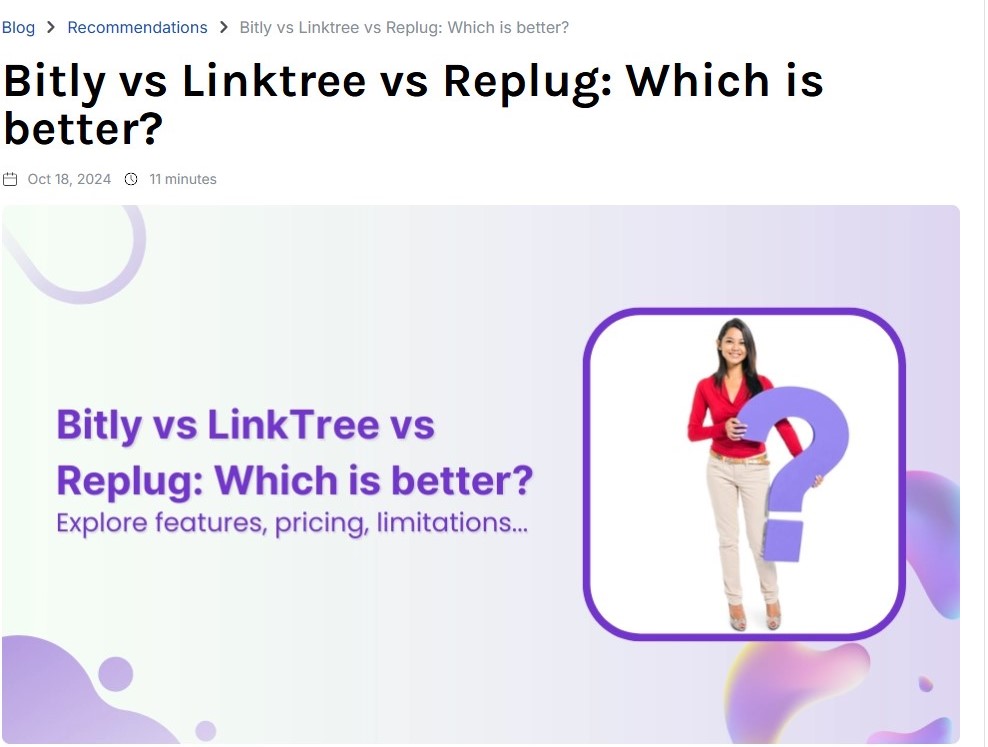
In this article, the author compares three link management tools — Bitly, Linktree, and Replug — by listing key features, strengths, and weaknesses for each. Instead of just explaining each tool on its own, the post:
- Places the tools side by side so readers can see how they differ
- Highlights unique features and typical use cases
- Offers insights into pricing and best fit for different audiences
This format helps a reader who’s trying to choose one of these tools make a quick, informed decision without visiting all three websites individually.
Common structure of review and comparison blog posts
Even though review posts can look different, most successful ones follow a clear and reader-friendly pattern:
| 1. Introduction – Explain what is being reviewed or compared – Set expectations for what the reader will learn 2. Overview of each item – Give a dedicated section for each product or option – Include main features, strengths, and any weak points 3. Side-by-side comparison – Use tables, bullet lists, or highlighted points to compare key aspects – Helps readers quickly see differences and similarities 4. Pros and cons – Summarize what’s good and what’s not for each item – Adds clarity for decision-making 5. Recommendation or conclusion – Suggest which option fits which audience or use case – Helps the reader decide based on their priorities |
Personal stories and lifestyle blog posts example
Personal stories and lifestyle posts give readers a window into someone’s life, thoughts, experiences, and reflections. Instead of teaching a skill or comparing tools, this type of content works well when the goal is to connect emotionally, inspire, or share authentic life experiences.
When to use personal stories and lifestyle posts
These posts fit best for content that focuses on:
- Real experiences and reflections: Sharing what happened, how you felt, and what you learned
- Life changes or milestones: Stories about transitions, challenges, or personal growth
- Daily routines and lifestyle topics: Wellness, parenting, relationships, travel, hobbies
- Opinion with personal context: Views supported by real-life stories rather than abstract analysis
- Emotional connection: Posts where readers feel understood, comforted, or motivated
This type of blog is powerful when your audience is looking for connection, relatability, or inspiration.
17. Cup of Jo
A strong example of this format is Cup of Jo:

Cup of Jo mixes personal essays with lifestyle topics, including parenting, travel, relationships, and culture. Instead of just reporting on trends, the blog shares real-life perspectives that feel like conversations with a friend. In many posts, you’ll find:
- First-person storytelling that feels honest and warm
- Topics grounded in daily life, not theory
- Reflections that resonate with readers because they’re relatable
For example, when the author shares stories about parenting or travel mishaps, readers don’t just learn something; they feel something, which builds a strong connection.
Common structure of personal and lifestyle blog posts
Unlike technical or list posts, personal stories don’t follow a strict formula, but many effective ones use a structure like this:
| 1. Hook or personal moment – Open with a vivid memory, feeling, or moment that draws the reader in – Makes readers curious or emotionally engaged from the start 2. Context or background – Explain what was happening and why it mattered – Set the scene so readers understand the situation 3. The story – Share the experience in a narrative form – Use honest details and personal reflection 4. Insight or takeaway – Explain what you learned or how the experience changed you – Helps readers find meaning or relate to the story 5. Closing reflection – Wrap up with a comment, question, or next step – Encourages readers to think or respond |
News & trends blog posts example
News and trends blog posts focus on what is happening right now. Their goal is to inform readers, explain why something matters, and offer context around recent updates or emerging patterns.
This type of content works best when readers want to stay informed without digging through multiple sources.
When to use news and trends blog posts
This format fits well for content that covers:
- Current events: Industry updates, global news, or breaking stories
- Emerging trends: Shifts in behavior, technology, or culture
- Timely insights: Updates that lose value if published too late
- Explainer-style reporting: Helping readers understand complex or fast-moving topics
- Ongoing coverage: Topics that evolve and need regular updates
News and trends posts are especially effective when accuracy, clarity, and timing matter.
18. NPR
A strong example of news and trends content is NPR:
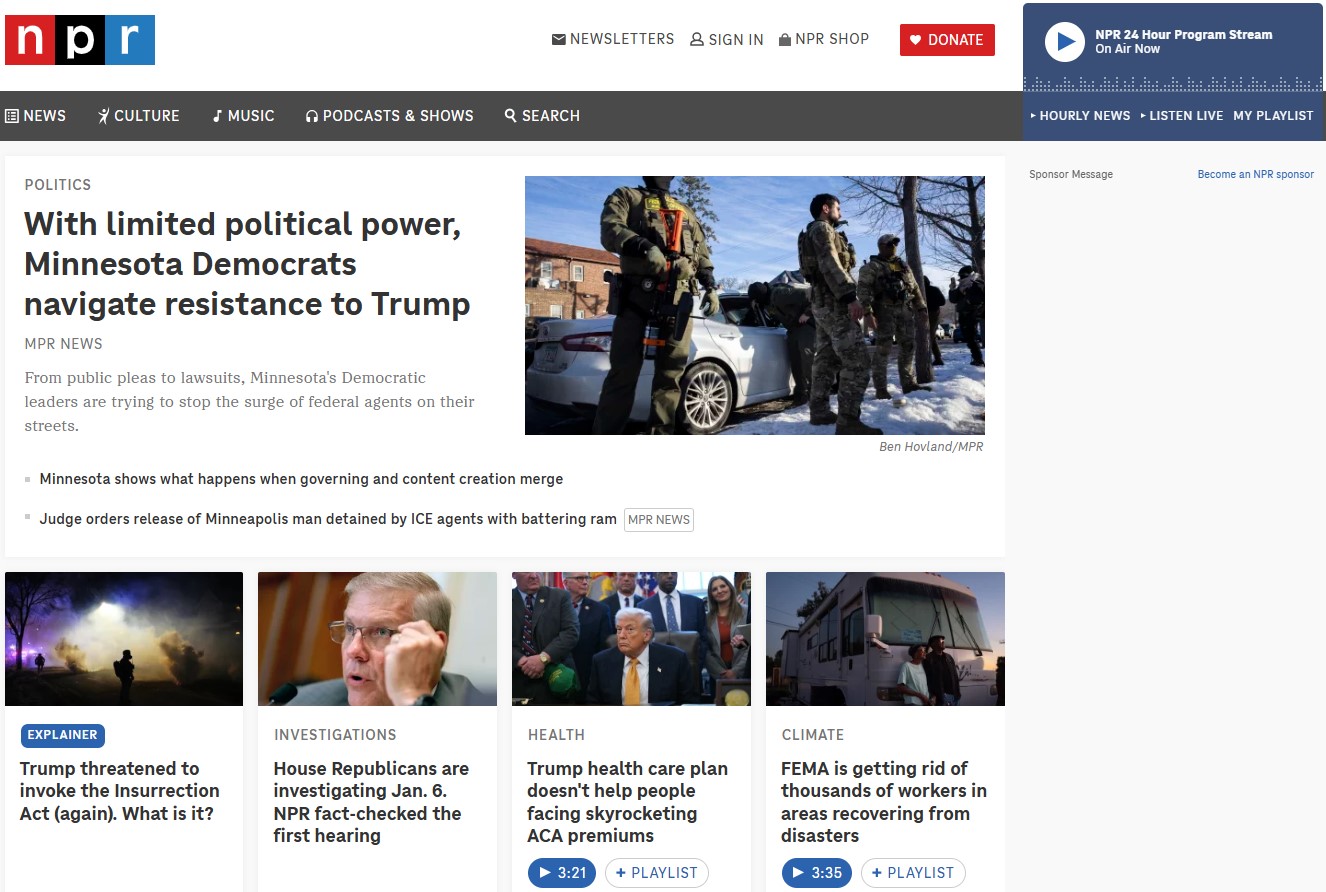
NPR covers a wide range of topics, including politics, culture, science, and global events. What makes their content engaging is that it goes beyond reporting headlines. Instead of just stating what happened, NPR focuses on:
- Providing background and context
- Explaining why the story matters to everyday life
- Presenting information in a clear, balanced way
This approach helps readers understand not only the news itself, but also its impact and relevance.
Typical structure of news and trends blog posts
While news content varies by topic, many effective posts follow a structure like this:
| 1. Clear, timely headline – States what happened or what trend is emerging – Helps readers quickly understand the focus 2. Opening summary – Brief overview of the key update or trend – Answers the “what” and “why it matters” early 3. Context and background – Explains what led to the news or trend – Provides historical or industry context 4. Key details or insights – Breaks down the most important points – Uses quotes, data, or examples where needed 5. Broader impact or future outlook – Explains what this means moving forward – Helps readers see the bigger picture |
Key takeaways from successful blogs
After looking at different blog niches and post types, a few clear patterns stand out. Successful blogs are not just about writing often. They focus on clarity, usefulness, and a real connection with readers.
Here are some important lessons you can apply to your own blog:
- Know who you are writing for
The strongest blogs speak to a specific audience. They understand readers’ needs, questions, and goals, and create content around that. - Choose the correct format for the topic
How-to guides, listicles, comparisons, personal stories, and news posts all serve different purposes. Picking the right format makes your content easier to understand and more engaging. - Keep content easy to read
Short paragraphs, clear headings, and simple language help readers stay focused and scroll longer. - Offer real value
Whether it’s advice, insights, or inspiration, every post should leave the reader with something useful or meaningful. - Be consistent in tone and quality
Blogs that perform well have a recognizable voice and maintain quality across all posts. - Support your content with structure and visuals
Good formatting, images, charts, or examples make content more appealing and easier to digest. - Write with honesty and purpose
Authentic content builds trust. Readers return to blogs that feel genuine and helpful, not overly promotional.
By applying these takeaways, you can create blog posts that are not only enjoyable to read but also more likely to perform well in search and keep readers coming back.
Create a successful blog with Contentpen in 5 simple steps
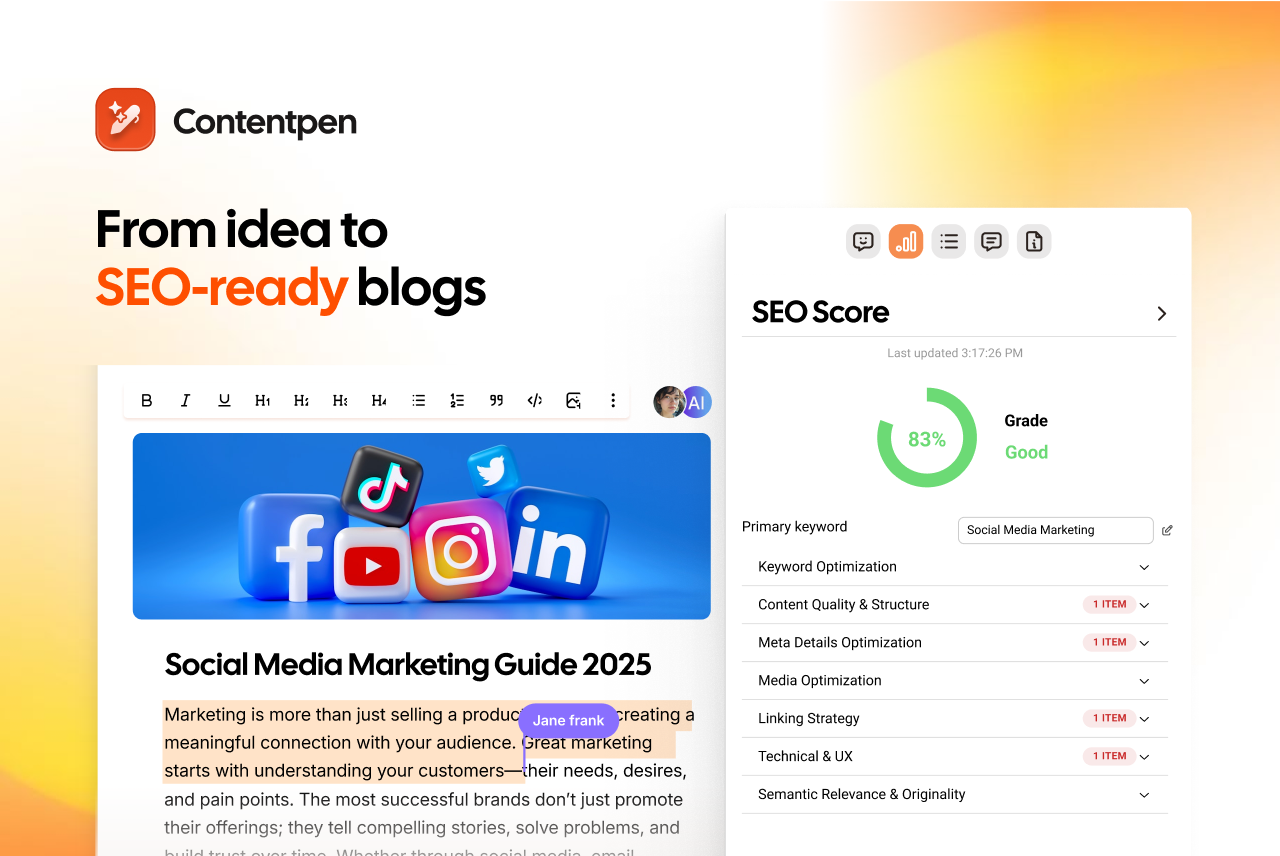
Creating high-quality blog content doesn’t have to take hours or require multiple tools. With Contentpen.ai, you can plan, write, optimize, and manage your blog posts from start to finish, all in one place.
Contentpen uses AI to make your blogs SEO and GEO-ready, aligned with your brand voice, and easy to publish without technical hurdles.
Here’s how you can build a successful blog with our AI blog writer online in five simple steps:
Step 1: Choose your topic and keywords
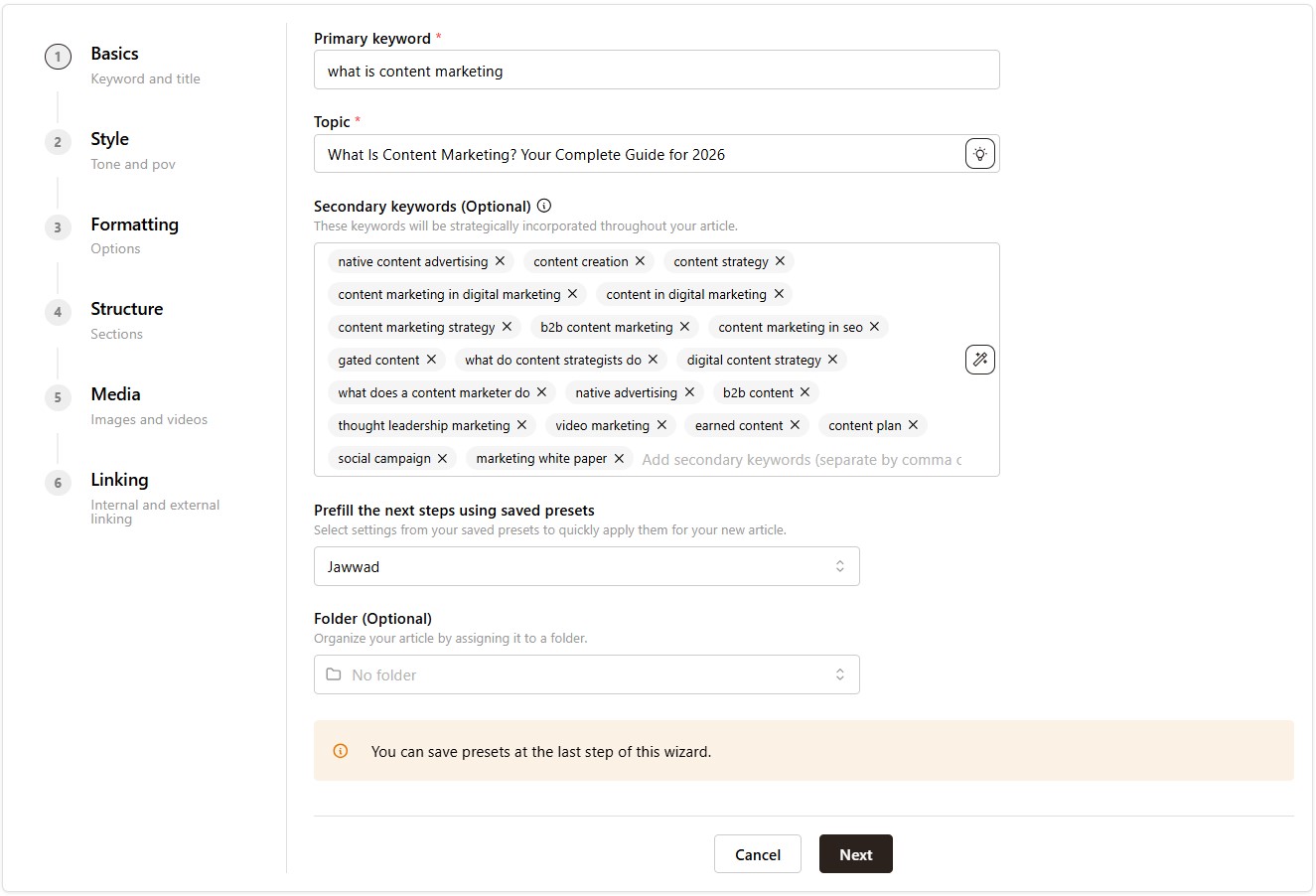
Start with a clear idea of what you want to write about and the keywords you want to target. Contentpen helps you generate topic ideas based on search trends and keyword opportunities, so your content has a better chance of ranking in search engines.
How this helps you:
- You focus on topics your audience cares about
- You avoid guesswork in keyword research
- Your blog has stronger SEO potential
Step 2: Build a smart outline
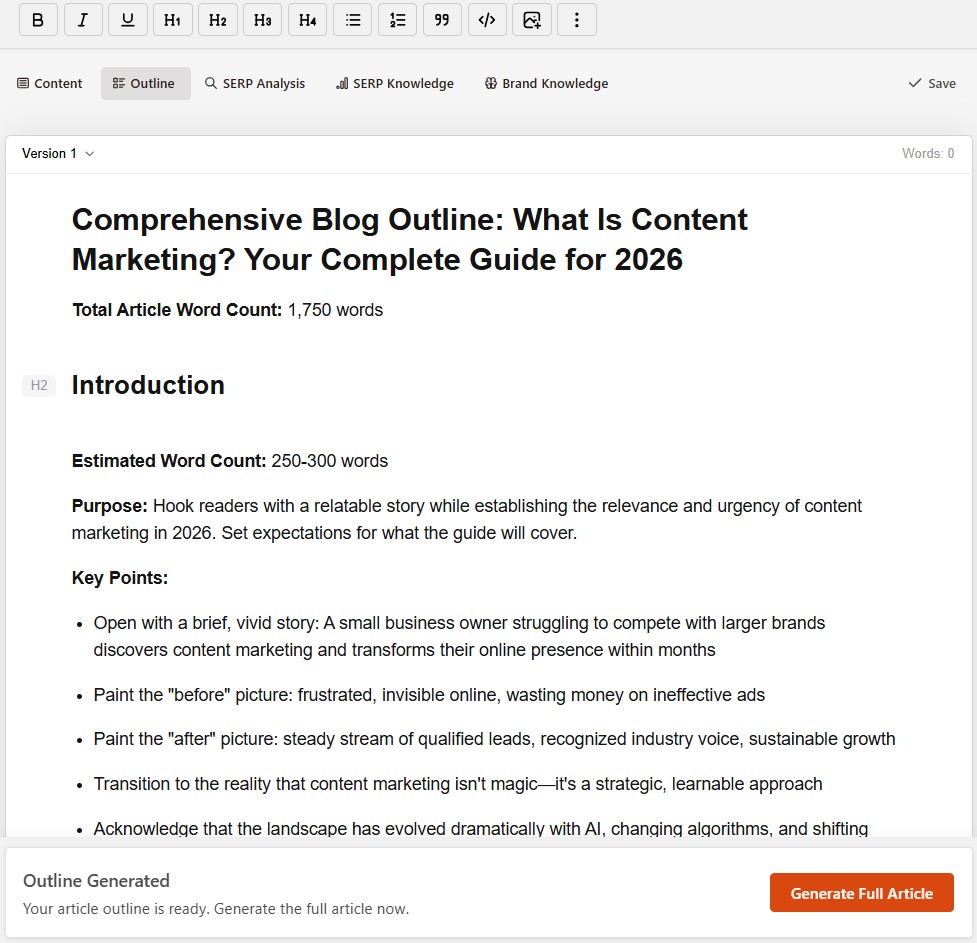
Before you write a complete draft, Contentpen creates a detailed outline that breaks your topic into logical sections. You can review and adjust headings before generating the full article.
This ensures your content has a strong structure that readers and search engines both appreciate.
Key benefits:
- Precise content flow from the introduction to the conclusion
- Better organization for ideas and subtopics
- Improved search and AI-friendly structure
Step 3: Generate your draft quickly
With your topic and outline ready, you can generate a complete blog draft in minutes. Contentpen’s AI writes in a human-like tone and incorporates your brand voice, so the content feels natural and authentic.
What you get:
- A full draft with headings, paragraphs, SEO, and GEO in mind
- Original content tailored to your brief
- Drafts you can edit or publish right away

Get your content cited by AI, not just ranked on Google!
See your real-time GEO score as you write to make every piece citation-ready.
Try GEO Scoring →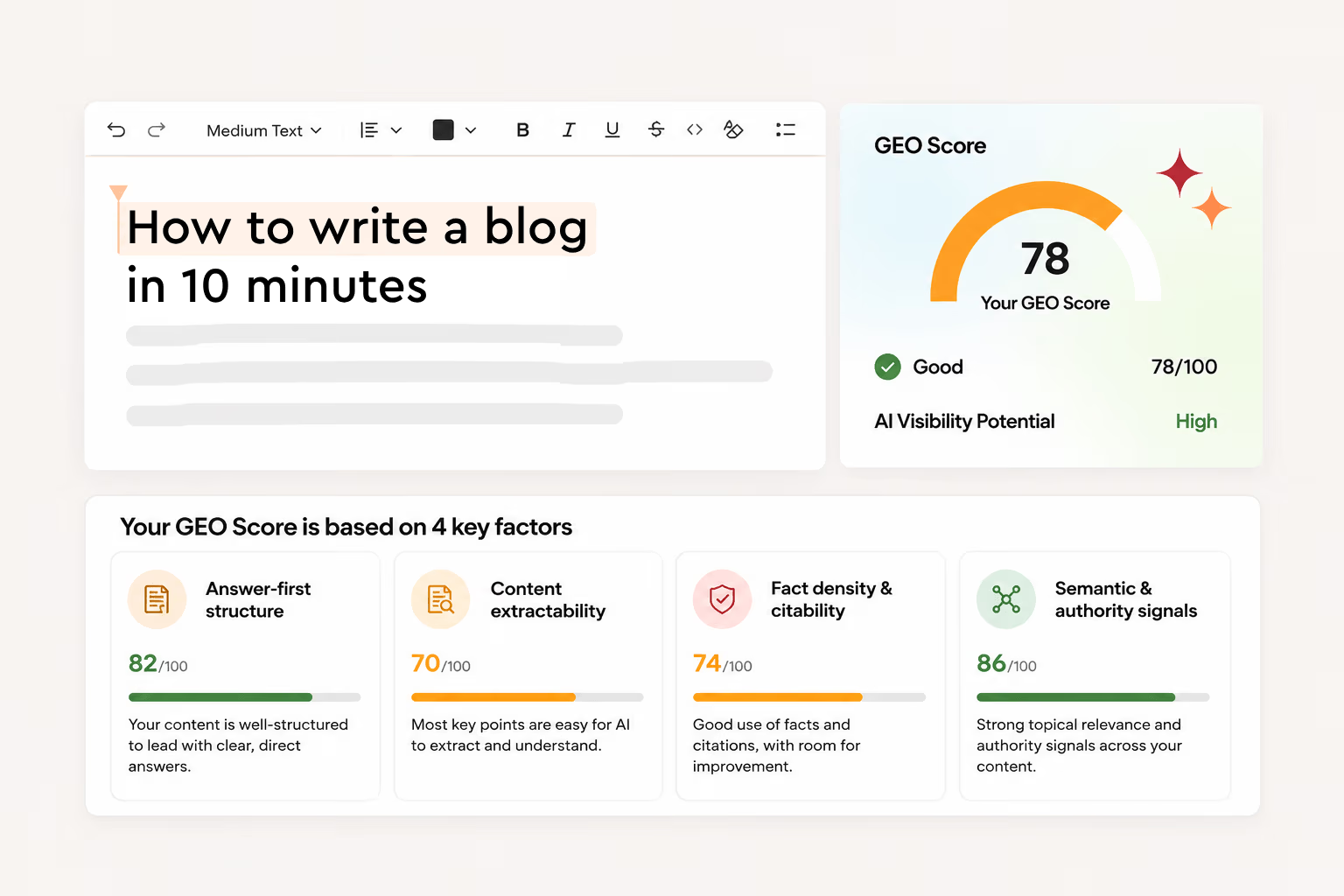
Step 4: Optimize and refine
Contentpen doesn’t stop at the first draft. It gives you tools to improve readability, add internal and external links, and optimize for search engines.
You can polish your tone, add visuals, and ensure every section serves the reader by using the ‘Ask AI’ feature.
What to focus on:
- Improve clarity and consistency
- Add supporting visuals or charts
- Ensure links lead to relevant resources
- Implement proper SEO elements
Step 5: Plan, schedule, and publish
Once your post is ready, Contentpen helps you plan and schedule it using a built-in content calendar. You can even publish directly to platforms like WordPress, Ghost, Wix, and Webflow with just a click.
Final touches:
- Choose a publishing date and time
- Manage multiple posts or campaigns
- Track performance and refine future posts
Using these five steps with Contentpen makes blogging faster, more strategic, and more effective. Instead of juggling research, drafting, editing, and publishing separately, you can streamline the whole process in one place.