 15 minutes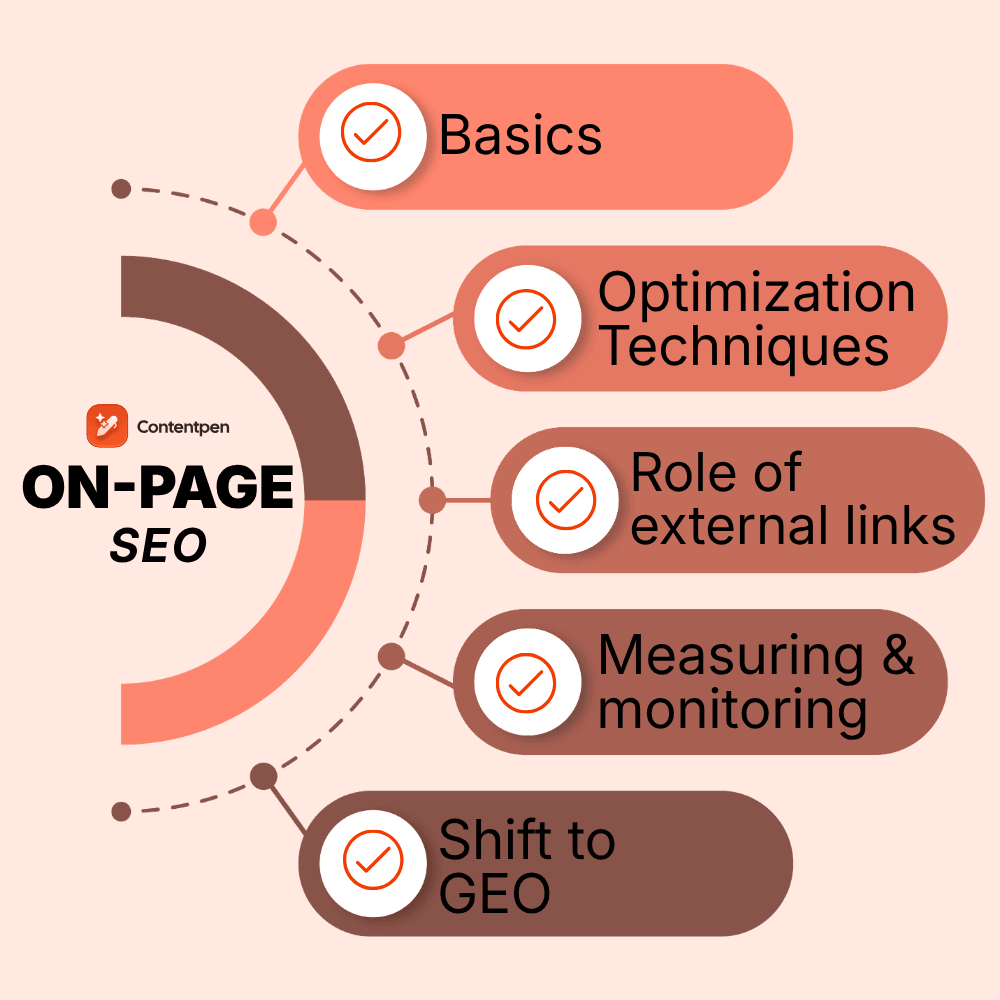
Are you publishing article after article and still stuck on page three of Google? Does it sting a little when a competitor with similar content keeps sitting above you in the results?
Many people think SEO is either a pile of code only developers touch or a game where only big brands can win.
That belief leads to random tweaks, guessing at keywords, and asking tools to “check SEO on my site” without a clear plan.
On-site SEO is the part you control the most, and even basic on-page SEO tweaks can help you push through the rankings.
In this guide, you will see a step-by-step workflow for on-site SEO optimization. You will learn how to pick smart keywords, craft title tags, and meta descriptions that quickly earn clicks.
So, let’s dive in, shall we?
Table of contents
- Understanding the basics and significance of on-page SEO
- On-page SEO optimization techniques to follow
- The role of external links in on-page SEO
- Measuring and monitoring your on-page SEO performance
- The shift to generative engine optimization (GEO)
- Why choose Contentpen for SEO and GEO-optimized content
- Summing up
Understanding the basics and significance of on-page SEO
On-page SEO, often called on-site SEO, is the practice of improving individual pages on your website so they can rank higher for the right searches and attract visitors.
It covers both what people see on the page, like headings and copy, and what lives in the HTML, like title tags and meta descriptions.
This type of SEO includes everything on your site that you directly control, such as:
- Content quality and depth
- Keywords, headings, and formatting
- URL structure
- Internal links
- Images and media
Doing on-page search engine optimization also means improving the user experience, such as enhancing text readability and maintaining a simple, attractive layout. This is part of the SEO checklist that you need to consider for your publication workflows.
On-page SEO optimization techniques to follow
You can improve your SERP results and chances to be mentioned in featured snippets by following the given on-page SEO optimization techniques:
- Keyword research
- Strategic keyword placement
- Meta title and description optimization
- Crafting high-quality content
- Structuring for readability
- Building an internal linking strategy
- Optimizing images and media
- Improving page speed
- Using schema markup
Now, let’s discuss these strategies and techniques in a bit more detail.
How to conduct keyword research for on-page optimization
Effective on-page SEO starts with understanding what your audience types into Google when they look for answers, products, or services like yours.
The strategies for on-page search engine optimization can vary from one organization to another, depending on the niche, search intent, and the target audience they intend to serve.
With that said, a simple, generic keyword research workflow may look like this:
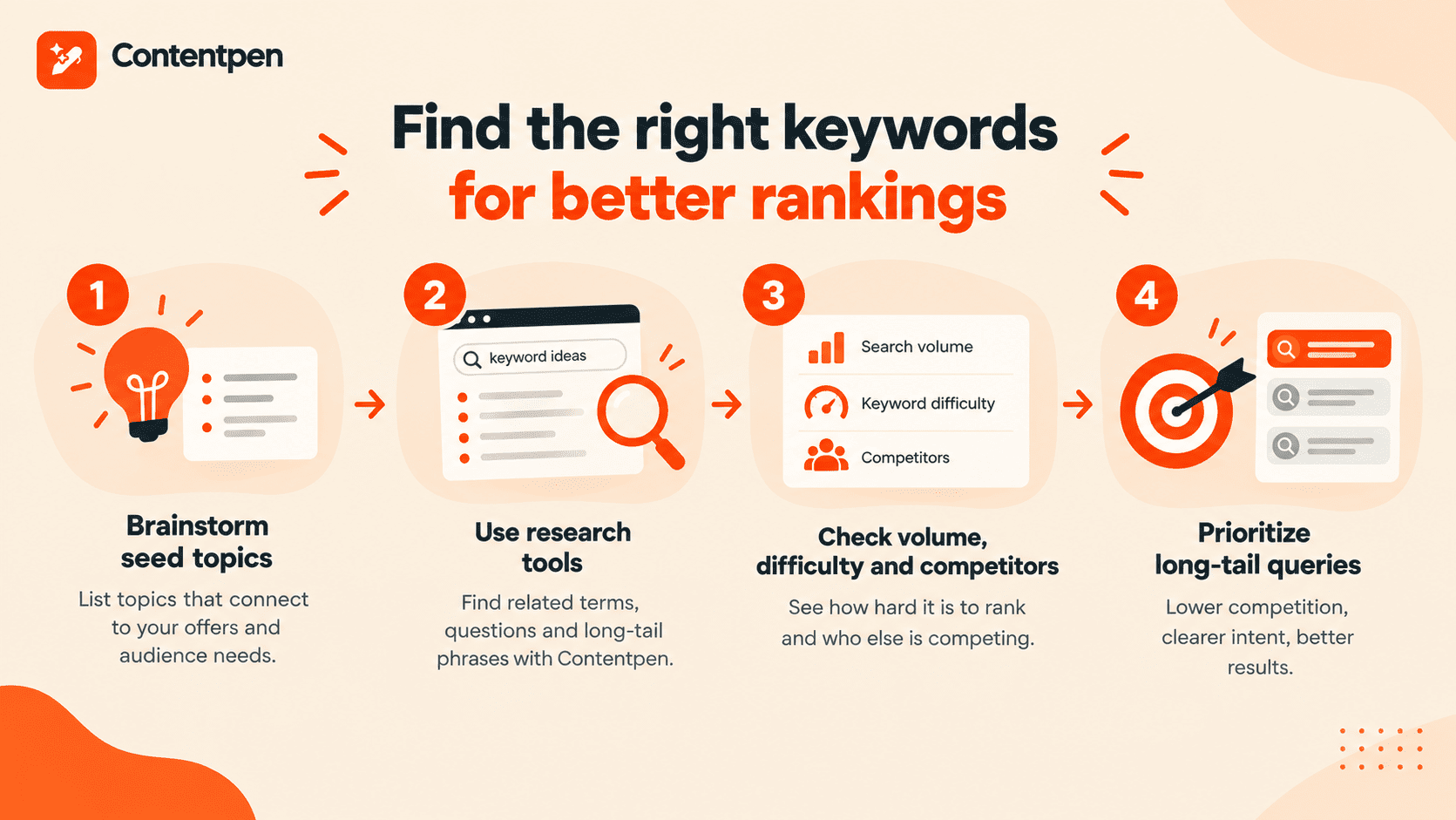
- Brainstorm seed topics: List seed topics that connect to your offers and your audience’s pain points.
- Use research tools: Then plug those seed ideas into keyword research platforms like Contentpen. Its keyword module can help surface related terms, questions, and long-tail phrases pulled from real search behavior.
- Check volume, difficulty, and competitors: As you review suggestions, pay attention to search volume, keyword difficulty scores, and the kind of competitors already ranking for that phrase.
- Prioritize long-tail queries: Long-tail phrases often have lower competition and clearer purchase intent, making them great targets.
Although looking for the volume of a keyword is essential, you must also consider the search intent relevant to it. This will help you narrow down clicks and secure a more serious audience on the platform.
Strategic keyword placement throughout your content
Once you know which keywords to target, the next step is to place them strategically on your website. The goal is to help Google confirm what the page is about without making the copy sound like it was written for robots.
There is no perfect density number to chase, but there are parts of the page where keywords matter more.
Key placement points include:
- H1 heading – Include your focused keyword once here.
- Introduction – Place the primary phrase in the first 100–150 words of your content.
- H2 and H3 subheadings – Weave in primary and secondary keywords where they fit naturally.
- URL slug – Keep it short and readable with your primary keyword in it.
- Body copy – Mix the target phrase with natural variations like ‘basic on-page SEO’ or ‘on-site SEO techniques’ (also known as LSI keywords).
- Image alt text – Describe visuals clearly and add keywords only when they make sense.
- Meta description – Include the primary keyword once in a natural way.
Whatever you do, always avoid keyword stuffing, which is when a user repeats exact phrases so often that the text sounds forced.
Creating title tags and meta descriptions for higher click-through rates
Title tags and meta descriptions are tiny pieces of HTML that carry a lot of weight. They tell Google what each page is about, helping the search engine crawler to index your pages.
When these are written well, you can earn more organic clicks even before you move up in positions.
Optimizing title tags for search engines and users
A meta title is the clickable headline that shows in search results and in the browser tab. It acts as both a ranking signal and a mini advertisement for your content, so it needs to be clear, keyword-focused, and appealing.
Good practices for title tags include:
- Aiming for around 40–60 characters to avoid truncation.
- Placing your primary keyword near the start.
- Add helpful modifiers like ‘guide,’ ‘checklist,’ ‘fast tips,’ etc.
- Ensure every page on your site has a unique title tag.
One simple formula is:
Primary keyword + modifier + clear benefit
For example: “On-page SEO guide – simple steps to rank higher in 2026.”
Title tags set the tone for your page and help users know what to expect when they land on your platform.
Writing meta descriptions that drive clicks
Meta descriptions sit right under the title in the search results and give people a short preview of your page. They do not directly change rankings, but they have a big impact on whether someone chooses your page or a competitor’s.
A clear, honest description also reduces quick bounces, which helps your page perform better over time.
When you write meta descriptions:
- Aim for around 140–160 characters
- Include your primary keyword naturally, preferably at the start
- Use active voice and explain what the reader gets
- Add a soft call to action
For example: “Learn simple on-page SEO techniques that help your site rank on Google. Follow this step-by-step guide and start gaining visibility today.”
With that said, if you are finding it tough to draft your own meta titles or descriptions, then you can get help from tools like our AI SEO blog writer. It scans your article, studies top competitors, and automatically suggests suitable metadata for your content.
Creating high-quality content that satisfies search intent
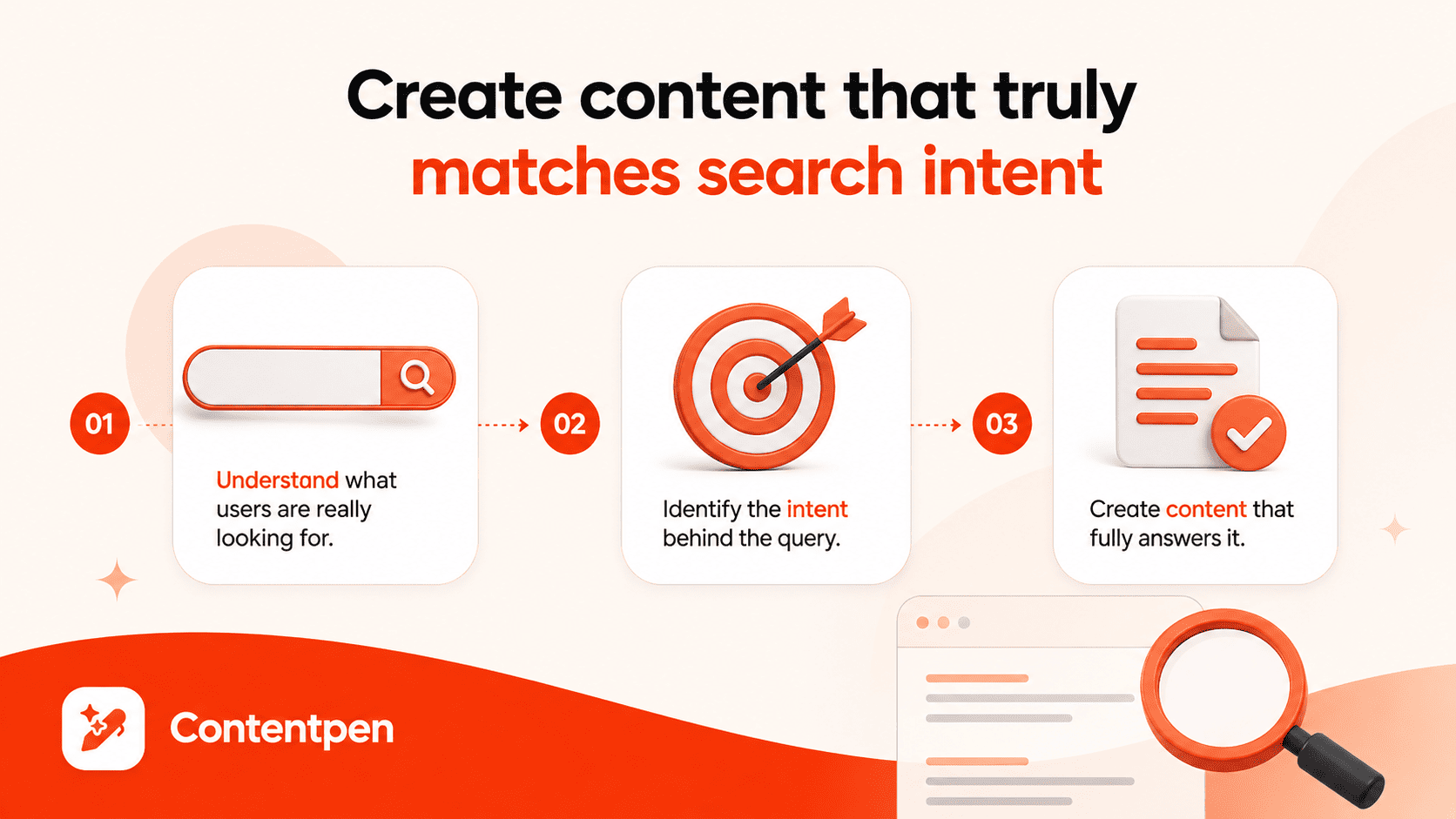
On-page SEO is not just about placing keywords in the right spots. The real driver of rankings is whether the content truly answers what searchers wanted when they typed their query.
To do this well, you need to understand search or keyword intent. Some searches are informational, while some show clear buying intent.
A simple view of intent types is shown below:
| Intent type | Example query | Best content format |
| Informational | What is search engine marketing | Guides, explainers, definitions |
| Navigational | Contentpen login | Homepages, login pages, brand landers |
| Transactional | Buy an SEO audit tool | Product pages, pricing pages, service pages |
| Commercial | best AI content platforms | Comparisons, reviews, “best of” roundups |
To understand the right intent for your content, check the first page of Google for your target phrase:
- Look at what content format appears most often
- Study what questions the top pages answer
- Spot what they miss. This is where you can add information gain.
For example: “How to do SEO” – If every top result is showing a basic step-by-step guide to this process. Then you need to take it a step further and write the dos and don’ts of SEO.

Write content that’s built to rank, not just read
Create search-optimized blogs aligned with SEO and GEO signals, so your content performs well across search and AI-driven discovery.
Try SEO Blogging FREE →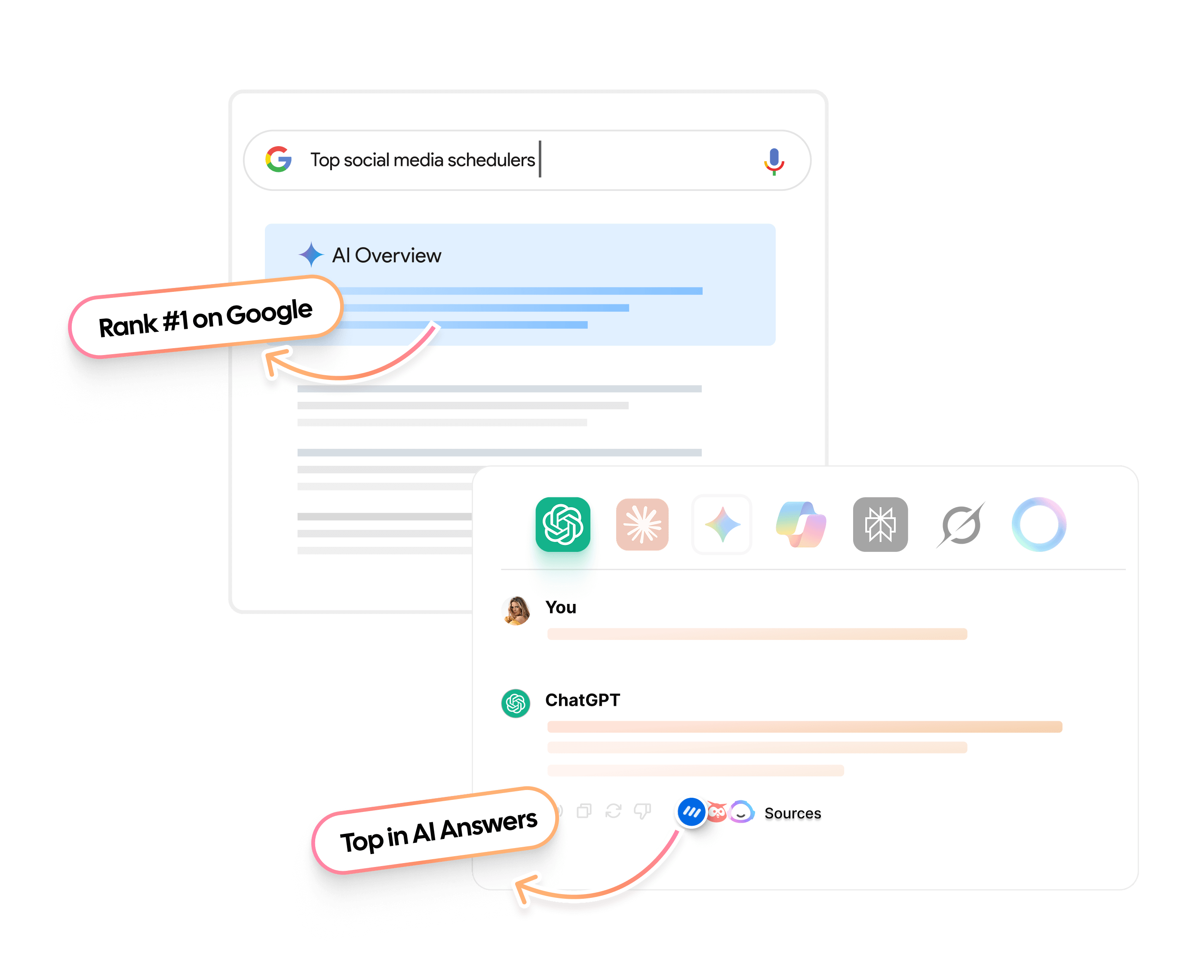
Remember, a strong copy keeps people hooked and engaged, which sends Google a positive signal that your content is worth ranking.
Structuring content for readability and AI-powered search
Modern search is no longer just about blue links and ten results. Large language models and features like AI overviews need to quickly extract clear, concise chunks of text that answer narrow questions.
That means your content must work well for both human skimmers and AI systems. For readers, a proper blog structure is what makes a long text feel easy on the eyes.
You can use question-style headings, such as “How do I optimize my title tag?” so both humans and search engines instantly know what is coming next.
Short, quotable sentences that stand well on their own are also more likely to be pulled into featured snippets and AI summaries.
Building an effective internal linking strategy
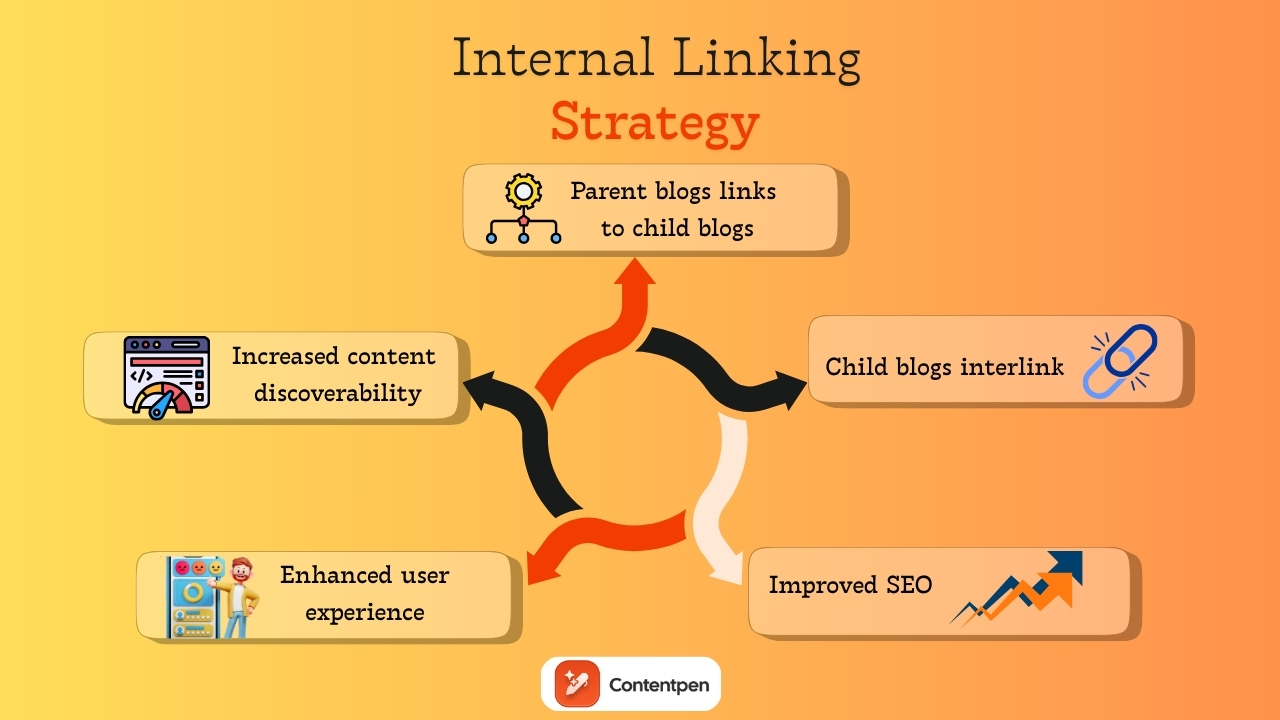
Internal links are links from one page on your site to another, and they are one of the most underused parts of on-page SEO optimization.
They help search engines understand how your content relates, spread authority from strong pages to newer ones, and guide users to the next helpful piece.
When search bots crawl your site, they follow internal links to discover new pages and to see which pages you treat as most important.
A well-planned internal linking setup makes it easier for crawl bots to map your topics and helps them index deep pages faster.
Think about your key pages first, such as:
- High-value service pages
- Pillar blog posts
- Detailed guides on on-page SEO and off-page SEO
Then look for chances across your blog and other content to link to these targets with natural, keyword-rich anchor text, not generic “click here” links.
Mix links from the homepage, category pages, and related posts so there are many paths leading to each critical page.
Optimizing images and media for on-page SEO
Images, diagrams, and videos make content far more engaging, but they can also slow down pages if you don’t optimize them.
Since slow pages hurt user experience, image work is a key part of on-page SEO, not just a design concern.
To optimize media:
- Use descriptive file names before upload (for example: on-page-seo-checklist-example.jpg instead of IMG_7890.jpg).
- Add alt text that clearly describes the image in a short phrase, such as “screenshot of on-page SEO analytics tool dashboard.”
- Keep alt text to approximately 150 characters.
- Compress images so they are as small as possible without looking blurry.
- Choose appropriate file formats (JPEG and WebP for photos, PNG for simple graphics).
- Use lazy loading so images load as visitors scroll, not all at once.
When you handle these steps, you support accessibility, protect your speed, and even open the door to traffic from Google Images.
Improving page speed and Core Web Vitals
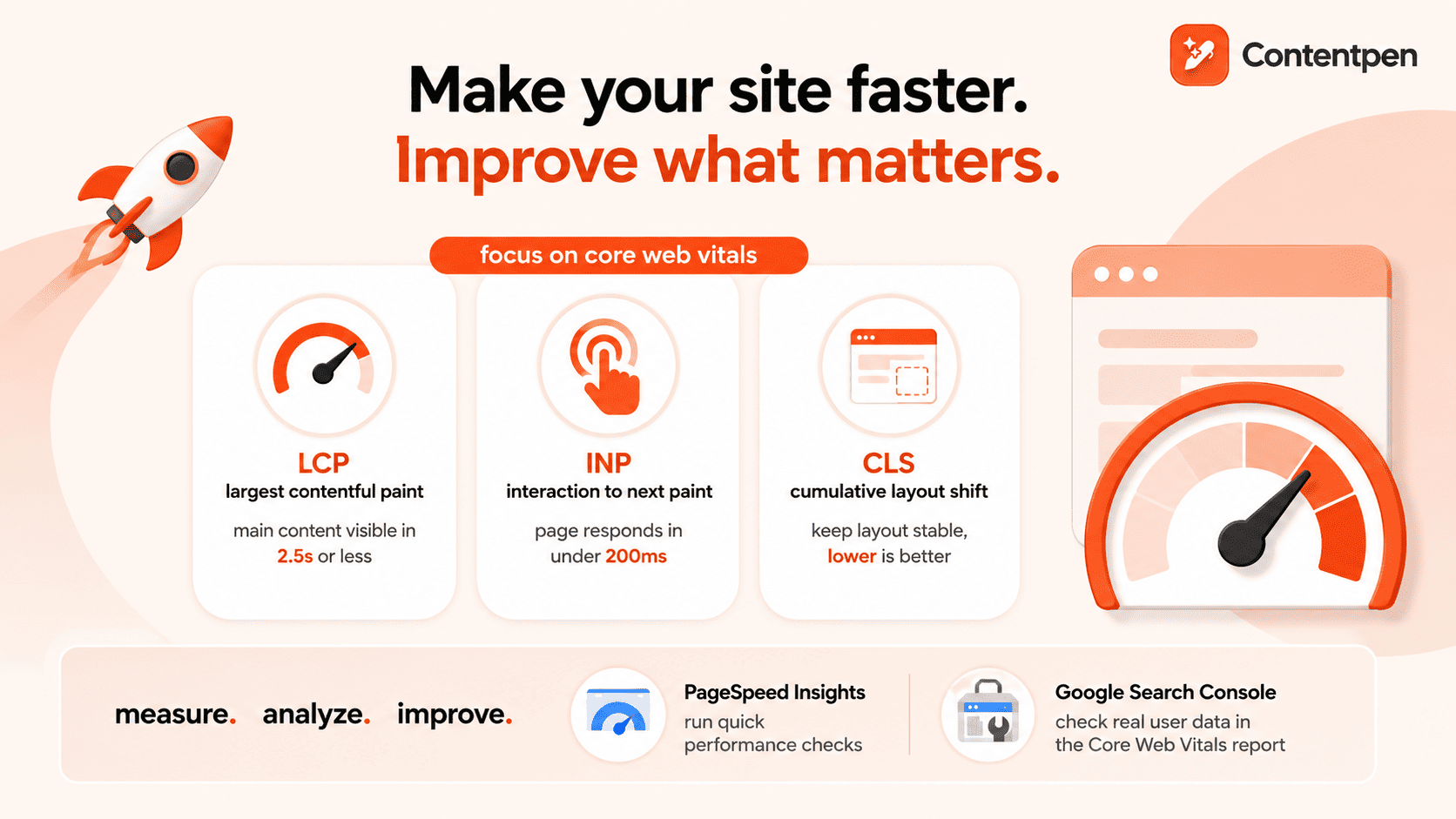
Page speed has a direct impact on both SEO and revenue. People do not wait around for slow pages, and Google measures that behavior through a group of metrics called Core Web Vitals.
The main Core Web Vitals are:
- Largest Contentful Paint (LCP) – How long does it take for the main part of your page to become visible? Aim for 2.5 seconds or less.
- Interaction to Next Paint (INP) – How quickly the page reacts when a user first interacts. Keep this under 200 milliseconds.
- Cumulative Layout Shift (CLS) – How much the layout jumps around while loading. Lower is better, so people do not mistap buttons or links.
You can run quick checks with PageSpeed Insights or look at real user data in the Core Web Vitals report inside Google Search Console to resolve these problems.
Even small gains matter here, as they can have a huge impact on your search engine results.
Using schema markup for rich snippets
Schema markup is a small extra layer of code that you add to your pages to describe their content in a way search engines can read with more precision.
While schema by itself does not push you up the rankings, it enables rich snippets, which are search results with extra details that can tempt more clicks.
For content teams and marketers, the most useful schema types often include:
- Article schema – Tells Google that a page is a blog post or news piece and provides information like author, date, and headline.
- FAQ schema – Marks up question and answer blocks, which Google can show directly in the search results as expandable sections.
- How-to schema – Describes step-by-step tutorials.
- Product, Review, and Local Business schema – Share data about items you sell, ratings, prices, and business details.
You can generate a schema by using helpers from Google and many WordPress plugins. After adding it, test your pages to confirm that Google can read the markup.
Because many sites still ignore schema, using it on your high-intent pages can make your results stand out from others in no time.
The role of external links in on-page SEO
Some site owners fear that linking to other websites will drain their rankings, but that is not how search works.
Thoughtful external links can actually support your on-page SEO by demonstrating that you base your claims on solid sources and by providing readers with extra value.
When you cite respected studies, industry blogs, or official documentation and link out to them, you signal that you are part of the broader conversation on that topic.
Readers get paths to dig deeper if they want more background, which builds trust and can keep them in your content longer.
Search engines also use these connections to better understand what your page is about and how it fits into the topic space.
Keep these practices in mind:
- Choose external sites that are relevant, trustworthy, and stable
- Use descriptive anchor text that tells people what they will find when they click
- Keep the number of external links balanced so they support your points
- For links that come from sponsorships or that you would rather not vouch for, mark them with attributes like rel=’nofollow’ or rel=’sponsored’.
By following these practices for external links, you can make sure that your content is established as an authority on the World Wide Web, favoring more clicks.
Measuring and monitoring your on-page SEO performance
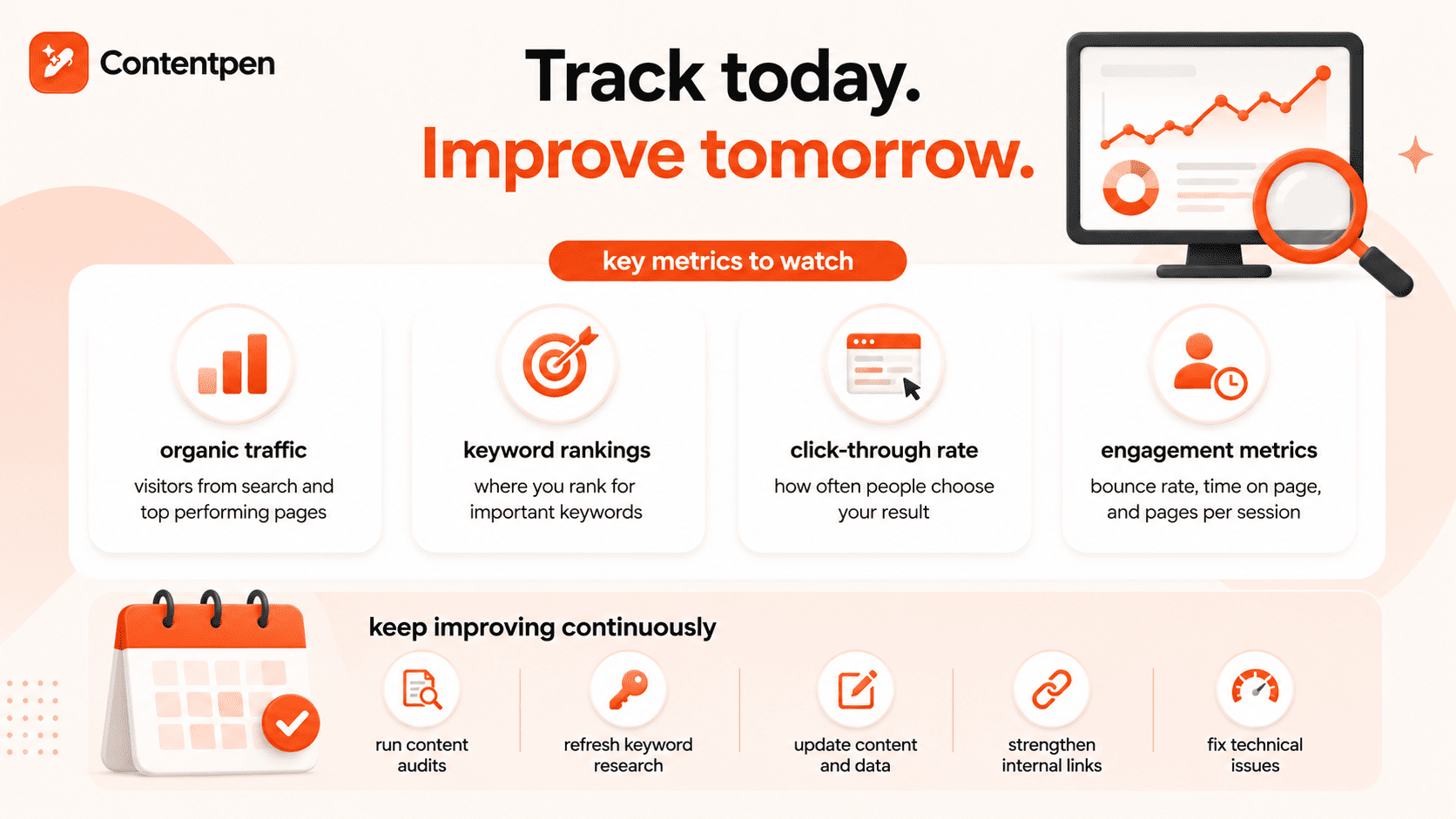
On-page SEO is not a one-time checklist you forget about once it is done. Search behavior, competitors, and even your own offerings change over time.
So, you need a repeatable way to track performance and decide what to improve next.
Begin with core metrics:
- Organic traffic – How many visitors arrive from search, and which pages draw the most attention?
- Keyword rankings – Where you stand for important phrases such as “rank your site on Google.”
- Click-through rate (CTR) – How often people pick your result when they see it (from Google Search Console).
- Engagement metrics – Bounce rate, average time on page, and pages per session, which hint at how well your content matches intent.
Also read: How to calculate CTR?
Plan regular content audits every quarter. Look for ways to improve your blog and consider fresh keyword research.
Also, during these reviews, try to update outdated stats and screenshots. Strengthen internal links and fix technical SEO problems such as broken links or slow pages.
The shift to generative engine optimization (GEO)
Since generative AI systems like ChatGPT, Google’s AI Overviews, and others have surfaced, generative engine optimization (GEO) has become more common.
GEO requires you to answer user questions directly and cut out the fluff from your content. This increases the likelihood of your work being featured in snippets and AI mentions, helping you attract more traffic and eventually get more clicks and visibility.
Focusing on SEO and GEO is what makes your pages optimized for both robots and readers.
Why choose Contentpen for SEO and GEO-optimized content
Contentpen helps your content look more refined, SEO-optimized, and readable for the audience.
It allows you to take complete control of your content by incorporating the right keywords, optimizing for organic traffic, and keeping tabs on your SEO score.
The finalized content is not only ready for more discoverability, but is also easily read and understood by the robots.
Boosting on-page SEO with SEO scoring
Our tool utilizes SEO scoring to assist you in performing the right edits before you hit publish.
It shows your content’s keyword optimization, content structure, meta details, and media optimization indicators in one place, guiding your on-page optimization strategies.
The tool also shows details regarding the linking strategy and semantic SEO, boosting your platform’s discoverability.
Keyword research with Contentpen
Contentpen automatically analyzes your niche and competitors to provide you with the best keywords for ranking.
The tool saves hours of manual research for keyword research, streamlining your workflows and boosting your productivity in no time.
Optimizing organic traffic
Our AI blog writer not only helps you create SEO-optimized content but also tracks, analyzes, and optimizes organic traffic for your platforms without switching tabs.
Contentpen is proficient in expanding your reach through smart SEO and GEO optimization tactics, leveraging SERP analysis, structure enhancer, and much more.
Publishing content at scale also becomes easier with Contentpen’s scheduling and bulk creation capabilities.
Summing up
On-page SEO sits at the heart of strong search performance, and the best part is that it is entirely in your hands.
By focusing on page-level details, you give every article, landing page, or product page a better chance of appearing when people search for information related to it.
Across this guide, you have seen how to move your on-page SEO optimization from guesswork to a straightforward process.
You can now implement these strategies to win more clicks and retain every customer in your base.