 12 minutes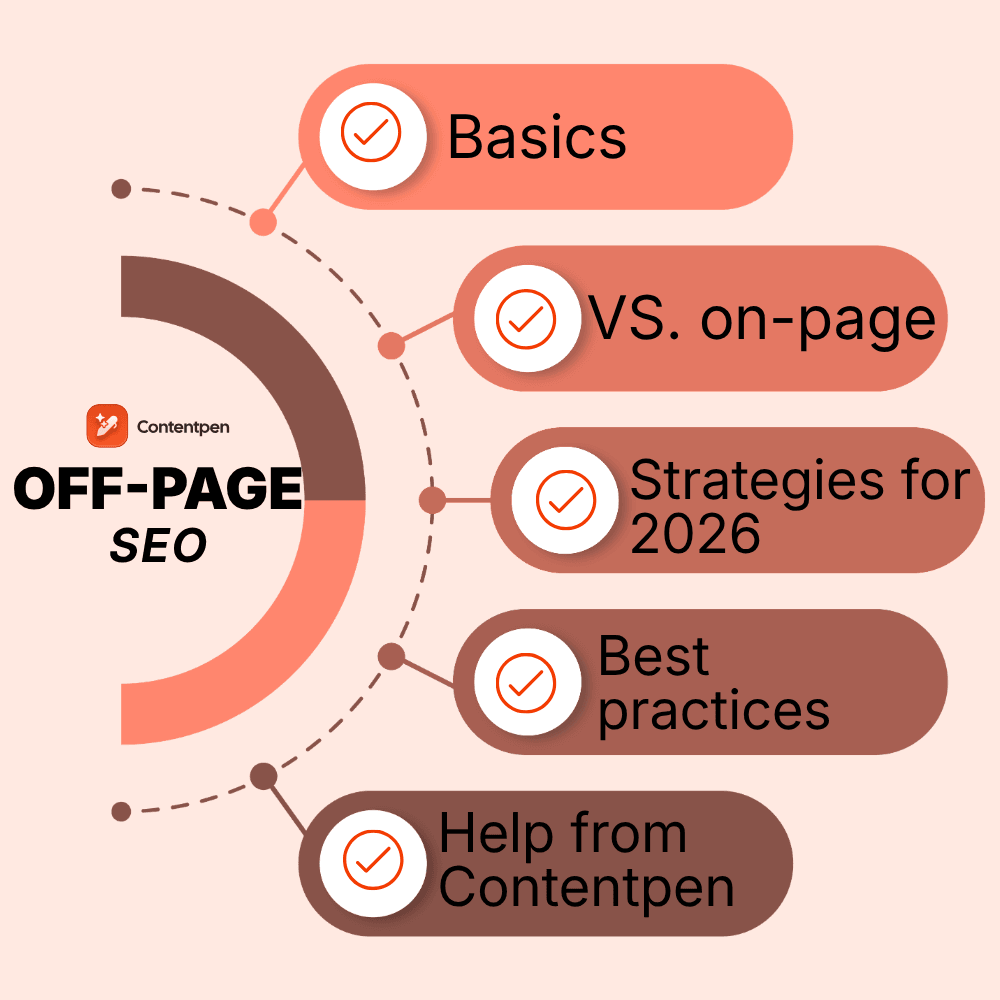
Picture a content marketer who spends weeks planning, writing, and polishing a great blog post. The keyword research looks solid, headings are on point, and internal links are tidy. The post goes live, everyone feels proud, and then the traffic graph barely moves.
The reason for this debacle is the lack of a proper off-page SEO strategy.
You can do excellent on-page SEO and still struggle to rank if other sites never talk about you, link to you, or mention your brand.
In this guide, you will learn the off-page SEO techniques that actually move the needle right now. We will walk you through the backlink strategies, guest posting for SEO, social media signals, local SEO moves, and a simple off-page SEO checklist of best practices.
So, let’s begin, shall we?
Table of contents
What is off-page SEO and why does it matter?
Off-page SEO optimization matters because search engines rely on external links or validation to rank pages. When trusted sites link to or mention your brand, it signals authority, relevance, and credibility beyond your own content.
That includes:
- Backlinks from other websites
- User-generated content (UGC) on forums like Reddit or Quora
- Brand mentions in articles, podcasts, and social posts
- Awards and recognition from sites like G2 or Capterra
- Reviews and ratings on platforms such as Google and Yelp
- Social media activity that spreads your content
- Appearances and features on podcasts, webinars, and industry sites
Search engine optimization means treating these signals like votes of confidence. A backlink is a direct vote. A mention in a respected article or a wave of positive reviews is a softer vote. Together, they help search engines decide which pages deserve top spots.
These are also the pillars of Google’s E-E-A-T framework, which looks at experience, expertise, authoritativeness, and trust. The signals help you gain visibility in AI Overviews, leading to more potential clients and organic visitors.
Also read: How to do SEO in 2026?
Data backs this up. Studies show that about 91 percent of web pages receive no organic traffic, often because no one links to them.
On-page vs off-page SEO: Understanding the difference
On-page and off-page SEO work together, but they focus on very different levers. On-page SEO controls what is on your site. Off-page SEO shapes how the rest of the web responds to and talks about that site. You need both for long-term search growth.
Here is a simple comparison to keep the difference clear.
| Aspect | On-page SEO | Off-page SEO |
| Main focus | Content and structure on your own pages | Reputation, links, and signals from other sites |
| Typical work | Keyword research, headings, meta tags, internal links, site speed, mobile setup | Backlink building, digital PR, reviews, citations, influencer work, and guest posting |
| Level of control | Complete control on your side | Indirect control, based on relationships and outreach |
| Core goal | Make each page clear, helpful, and easy to crawl | Show that your site is trusted and important in your niche |
Tools like Contentpen help with the foundation. It provides consistent, SEO-optimized content, making it much easier to run off-site SEO strategies such as outreach, guest posting, and digital PR without the extra effort.

Write content that’s built to rank, not just read
Create search-optimized blogs aligned with SEO and GEO signals, so your content performs well across search and AI-driven discovery.
Try SEO Blogging FREE →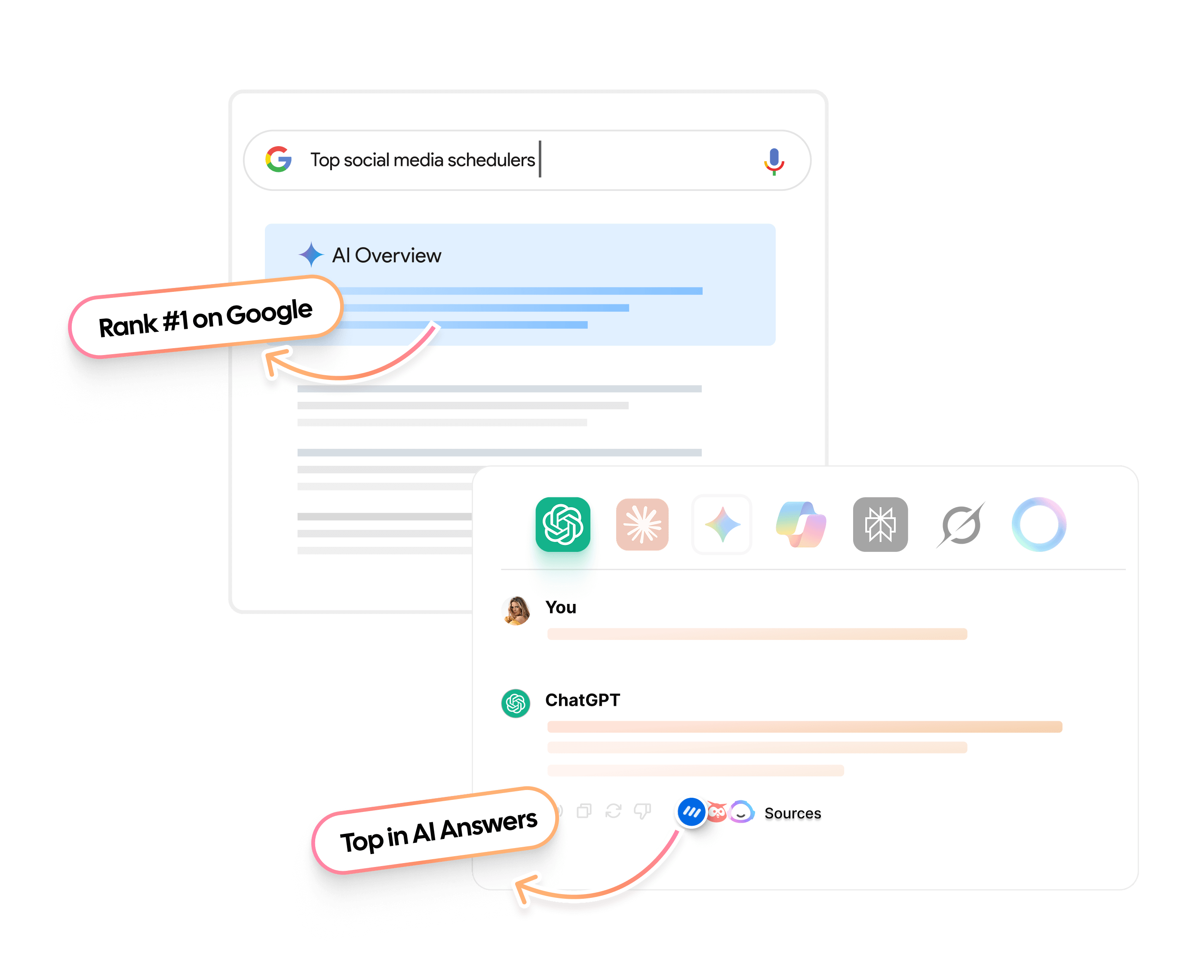
If your current content and technical SEO setup already look solid but your rankings are flat, then off-page SEO is usually the missing piece of the puzzle.
The most effective off-page SEO strategies in 2026
Below, we will discuss the following off-page strategies that you can apply now to see organic growth for your platforms:
- Building high-quality backlinks
- Guest posting and collaboration
- Using social media and influencer partnerships
- Local SEO tactics for geographic visibility
Think of this section as a working playbook. These off-page SEO strategies move you from theory to daily habits that build links, mentions, and visibility over time.
Building high-quality backlinks
Backlinks remain the core of SEO link building.
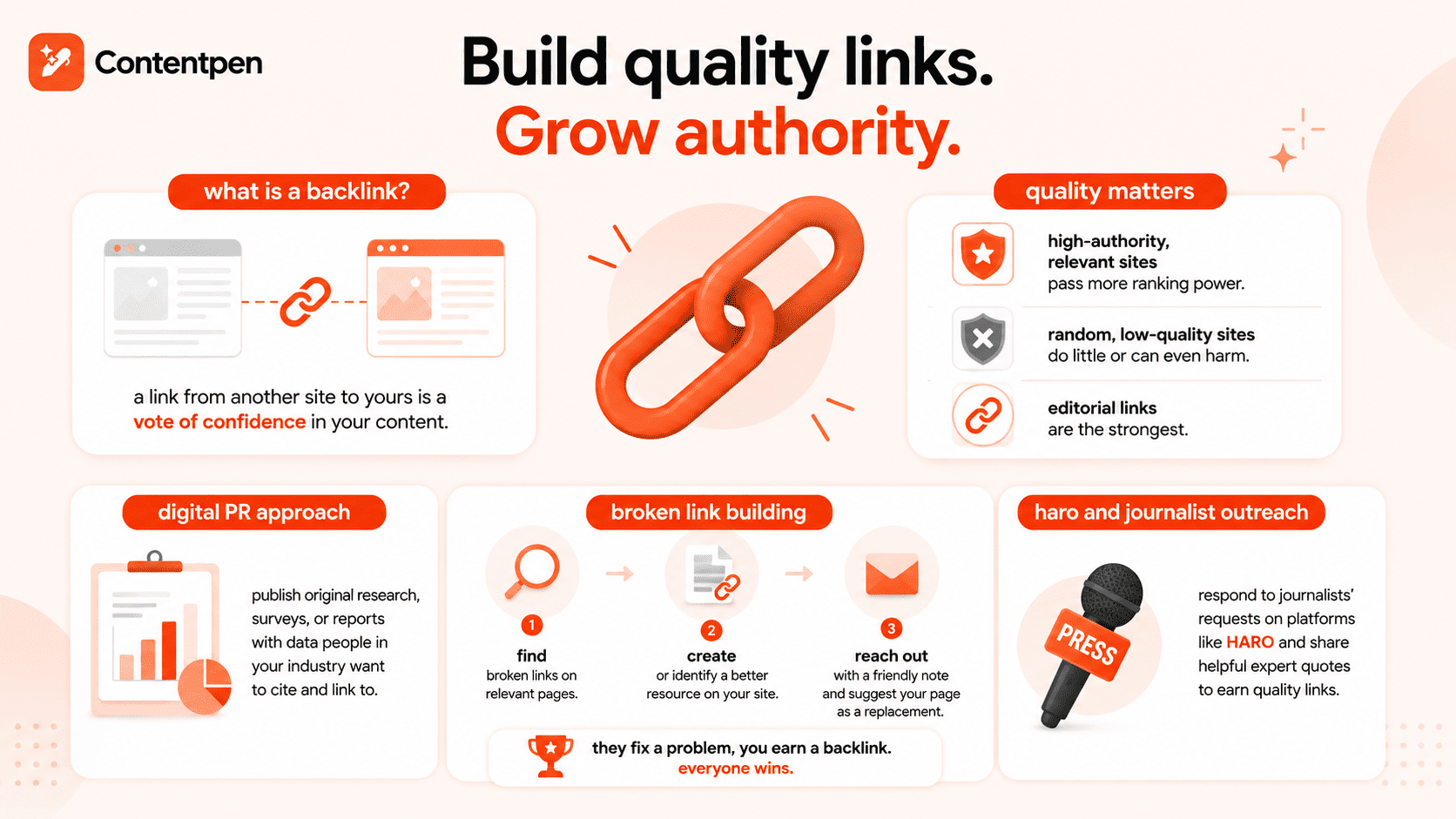
A backlink is a hyperlink from another site that points to your page. Search engines read that link as a vote of confidence in your content. Among off-page SEO types, this is the most popular one.
Not all links carry the same weight:
- High-authority, relevant sites pass far more ranking power.
- Random, low-quality blogs or spammy directories can do little or even cause harm.
- Editorial links (added by a writer because they found your content helpful) are the strongest ones.
A digital PR style approach works very well. You can publish original research, surveys, or industry reports that contain data people in your field want to quote.
Broken link building is another ethical and practical method:
- Find broken outbound links on relevant pages in your niche.
- Create or identify a better resource on your site that serves the same purpose.
- Reach out to the site owner with a friendly note and suggest your page as a replacement.
They fixed a problem on their page. You gain a new backlink. Everyone wins.
You can also respond to journalists’ requests through platforms such as HARO. When you share short, helpful expert quotes, many reporters will credit you with a link.
Guest posting and content collaboration
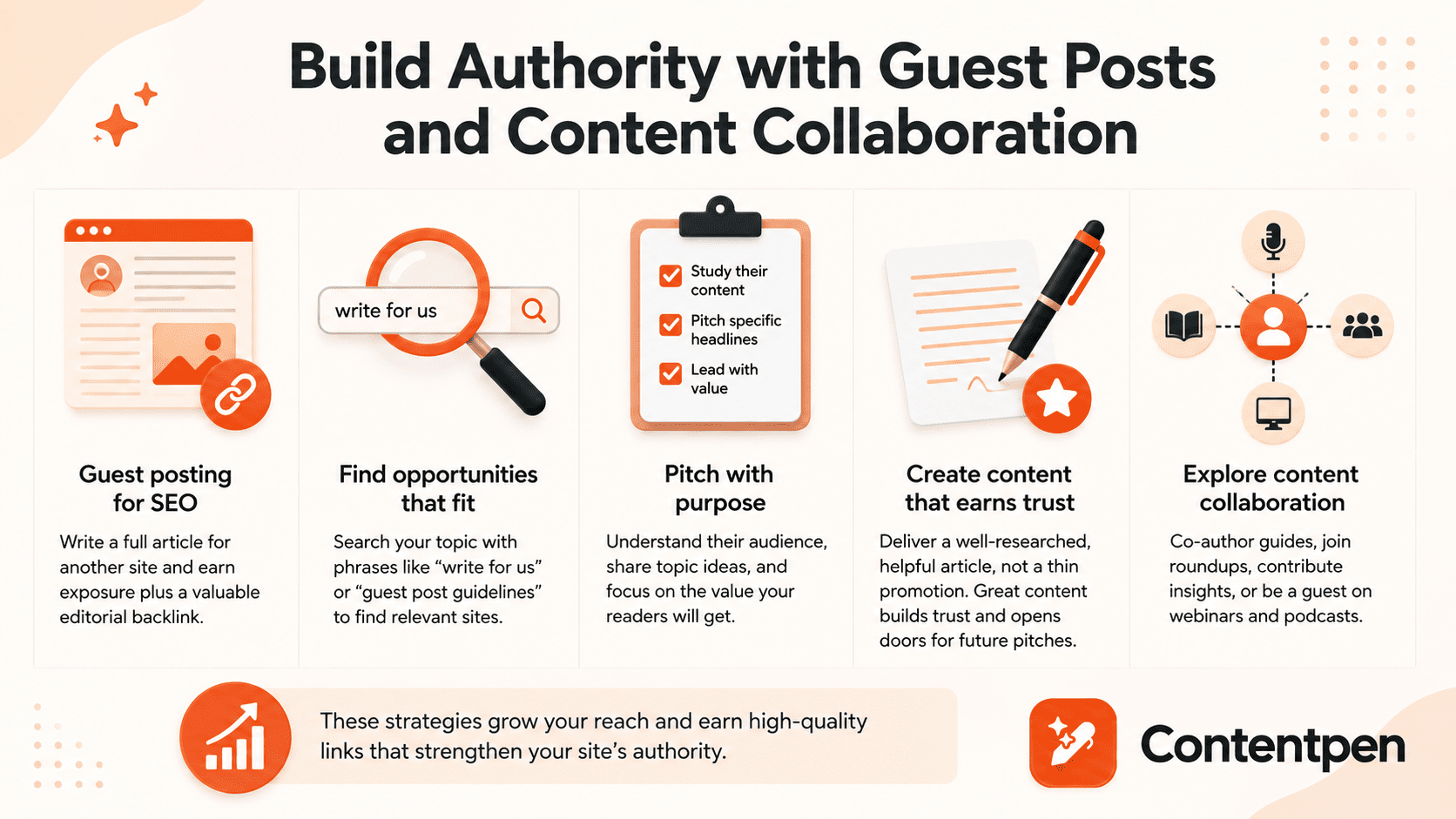
Guest posting for SEO means writing a full article for another site in your niche. The article lives on their domain, but usually includes a short bio or contextual link back to your site.
This gives you both exposure to a new audience and an editorial backlink, which is one of the safer and more effective off-site optimization methods.
You can find guest post opportunities using simple search operators. Combine your topic with phrases like “write for us” or “guest post guidelines” in Google.
For example, someone in real estate could search “real estate marketing write for us” to find relevant sites that accept guest posts. Focus on sites with real traffic and real readers, rather than thin, link-only blogs.
When you pitch, keep these tips in mind:
- Study their content first: Know what they publish and where gaps exist.
- Pitch-specific headlines: Offer two or three topic ideas that fit their audience.
- Lead with value: Explain what your readers will gain, not just what you want.
Once accepted, write a useful, well-researched blog or article, not a thin ad in disguise. That type of content earns more shares and higher trust, which in turn makes editors more open to future pitches.
Content collaboration goes beyond single guest posts. You can:
- Co-author reports or ebooks
- Contribute to expert roundups
- Share insights for another company’s guide
- Join webinars and podcasts as a guest
When you appear as a guest speaker, hosts almost always link to your site in show notes and event pages. Since Contentpen takes care of much of your routine blog publishing, you can put more time into these higher-impact, authority-building efforts.
Using social media and influencer partnerships
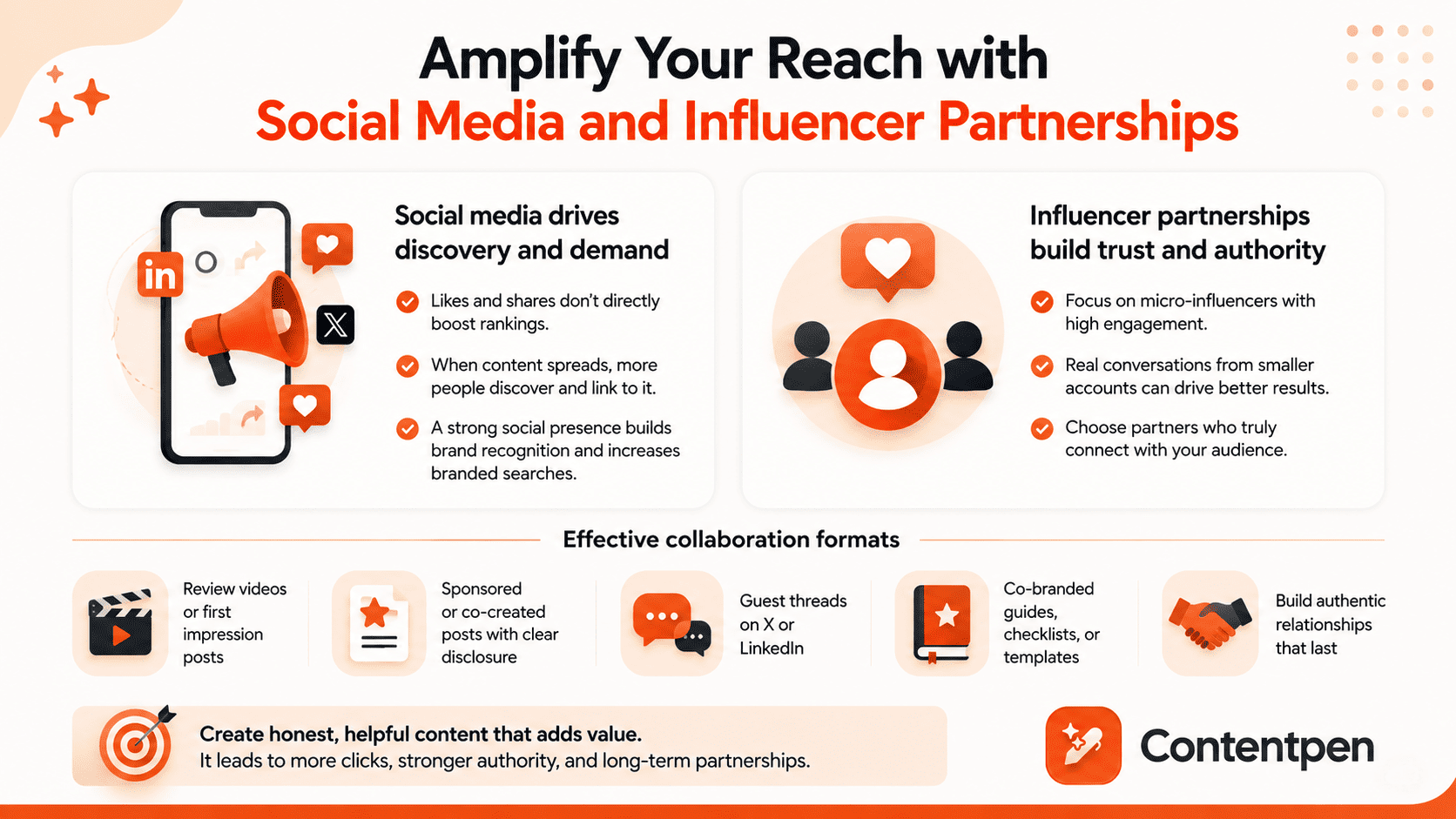
Social media likes and shares do not directly affect ranking. However, they play a strong supporting role in off-page SEO optimization in digital marketing.
When your content spreads across LinkedIn, X, or YouTube, more people discover it, increasing the likelihood that site owners, bloggers, and journalists will link to it later. Social media signals, SEO-wise, are about amplification and discovery.
There is also the brand voice and identity. A steady social presence helps people remember your name. When more people search for your brand directly, that pattern signals to Google that your brand is in demand.
Influencer marketing ties into this. Instead of chasing only big names, look for micro-influencers who speak to your exact audience and have strong engagement. A smaller account with real conversations can outperform a larger account with weak interaction.
Common collaboration formats include:
- Review videos or “first impression” posts
- Sponsored or co-created posts with clear disclosure
- Guest threads on X or LinkedIn
- Co-branded guides, checklists, or templates
Always aim for honest, helpful content that helps the influencer’s audience. That type of partnership leads to more clicks and a better long-term relationship.
Local SEO tactics for geographic visibility
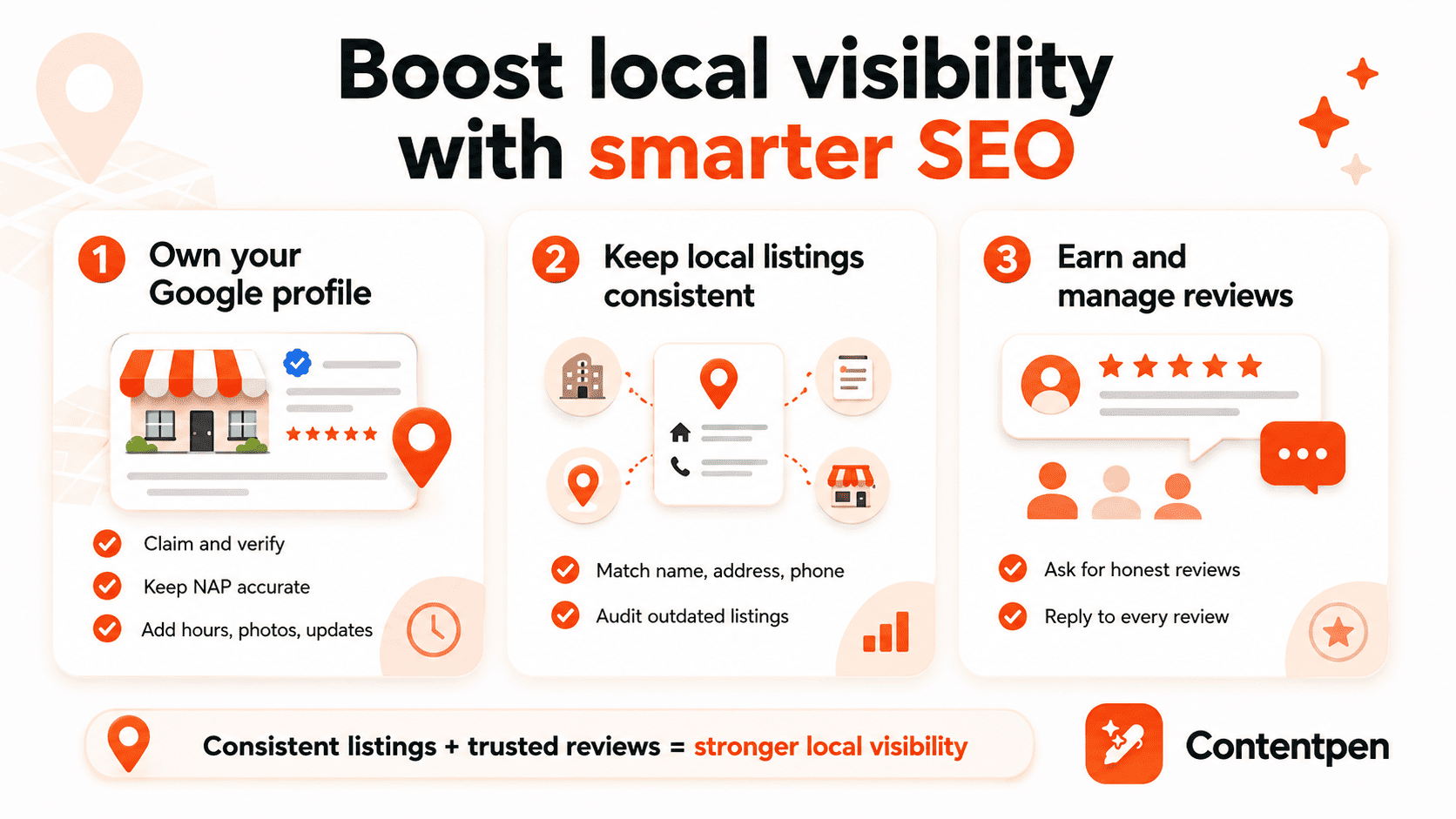
If you serve customers in a specific city or region, local SEO is one of the most important off-site SEO strategies to focus on. It shapes how well you appear in searches that include “near me” terms or city names.
Key steps include:
Setting up Google Business Profile (GBP)
Your GBP listing sits outside your website, making it a true off-page SEO factor.
Start by:
- Claiming and verifying your profile.
- Ensuring your business name, address, and phone number (NAP) are accurate.
- Adding correct hours, categories, and photos of your location and team
- Posting short updates with Google Posts to keep the profile fresh
Working for local citations
A citation is any mention of your business name, address, and phone number across directories such as Yelp, the Better Business Bureau, Apple Maps, and industry-specific sites.
Search engines cross-check these records. If your details are messy or outdated, rankings can suffer because the data looks unreliable. Do simple audits to update your listings and keep your NAP consistent.
Investing time and effort in user reviews
For local companies, reviews count among the strongest off-page ranking factors.
Google considers how many reviews you have, how often new ones arrive, and your average rating.
To give your business a boost:
- Ask happy customers to leave honest reviews on Google, Capterra, G2, and other key sites.
- Reply to every review, good or bad, with polite, helpful comments.
All of these strategies are free to implement and can improve your local search visibility much faster than many other moves.
Off-page SEO best practices and common mistakes to avoid
Good off-page SEO is not only about doing more. It is about doing the right things consistently and avoiding shortcuts that can backfire.
Think of this as a living off-page SEO checklist you can revisit each quarter.
#1: Focus on link relevance and quality
A single backlink from a respected, on-topic site is far more helpful than dozens of links from random, weak domains.
Aim to place your content where your actual buyers and peers spend time. That mindset also pushes you toward genuine relationships instead of one-off link trades.
#2: Mix your tactics well
Put some effort into digital PR, some into guest posting, some into social engagement, and, if you have a local angle, some into reviews and citations.
This type of mix looks natural to search engines and protects you if one channel slows down. Over time, keep an eye on your backlink profile with off-page SEO tools such as Moz or SEMrush to spot patterns and remove spammy links if needed.
#3: Work with patience
Off-page SEO techniques are inherently slow because they rely on others’ trust. Consistent outreach, helpful content, and steady networking build E-E-A-T in a way that cannot be faked.
When every off-page move you make shows real experience, expertise, and user care, rankings tend to follow.
Avoid risky shortcuts, such as:
- Buying links or joining link schemes
- Using private blog networks
- Spamming forums or communities with your links
- Over-optimizing anchor text with the same keyword every time
These strategies may work in the short term, but will cause penalties that are painful to fix.
Also read: Search engine basics: How they work and why they matter.
How Contentpen supports your off-page SEO success
All strong content marketing strategies start with something worth talking about. Our SEO platform gives you that base by turning SEO briefs into clear, helpful posts at scale.
- SEO-optimized content: When every new article follows SEO optimization techniques by default, you gain a larger pool of pages that people genuinely want to read and link to.
- Automated publishing: Contentpen automates content publishing through integration with major CMS platforms, saving you the hassle of switching tabs. You can use the saved time to focus on promotion and building authority in your niche.
- SEO scoring and competitor insights: The platform includes SEO scoring and competitor insights, so you can see which content already wins links and plan pieces that go deeper or add missing angles.
- Creating evergreen digital assets: Contentpen helps you develop evergreen posts that power digital PR and off-page SEO. These include data-heavy reports, expert guides, and reference posts that other writers love to cite.
Write better blogs in less time, without sacrificing quality.
Let AI handle structure, clarity, and flow while you stay in control of the message.
Try AI blog writing →
When you combine this content engine with consistent off-page SEO strategies, you create a system where new content and new links support each other week after week.
Final words
Off-page SEO is the outside proof that your site deserves attention. It covers backlinks, mentions, reviews, and partnerships that live beyond your domain yet send strong signals about your authority.
You now have a clear set of actions to work with. Build high-quality backlinks, use guest posting and collaborations, tap into social and influencer reach, and, if you serve a region, push hard on local SEO.
Also, consider Contentpen for reliable, SEO-rich content others can link to. When you pair strong content with thoughtful off-site optimization, search engines start to see absolute authority, and rankings begin to rise.