

ChatGPT
Gemini
Copilot
Perplexity
Google

Struggling to appear in AI answers? Track, optimize, and dominate AI search results. Explore AI visibility dashboard

SEO case studies

ai

Turning traffic drops into millions of visitors

Learn from real examples of traffic recovery, 2x to 5x growth, and consistent ranking improvements using practical SEO methods.

Key takeaways you can apply

Summing up all these SEO case studies, here are the simple, practical SEO lessons you can use to grow traffic and rankings on your own website in 2026.

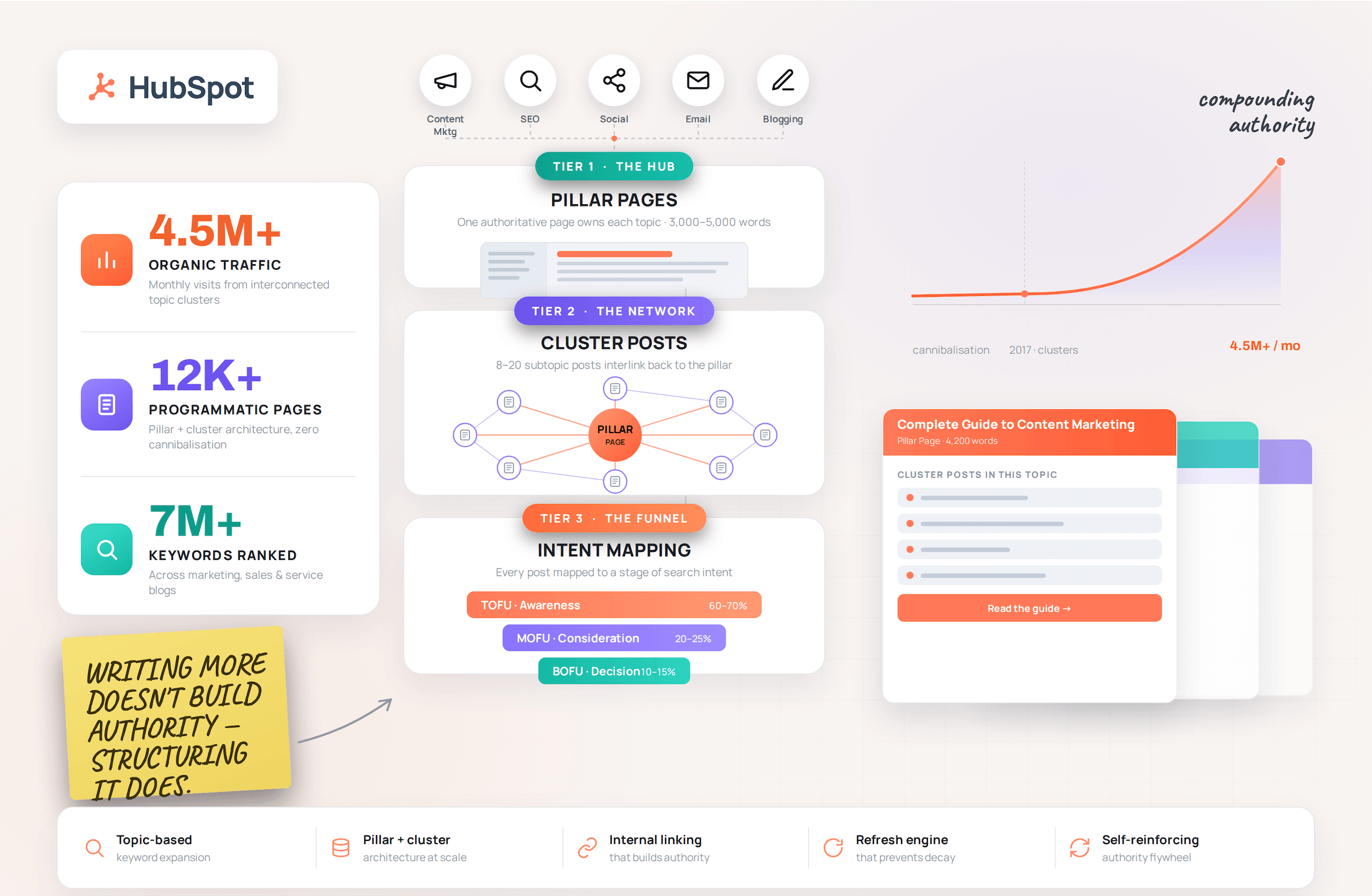
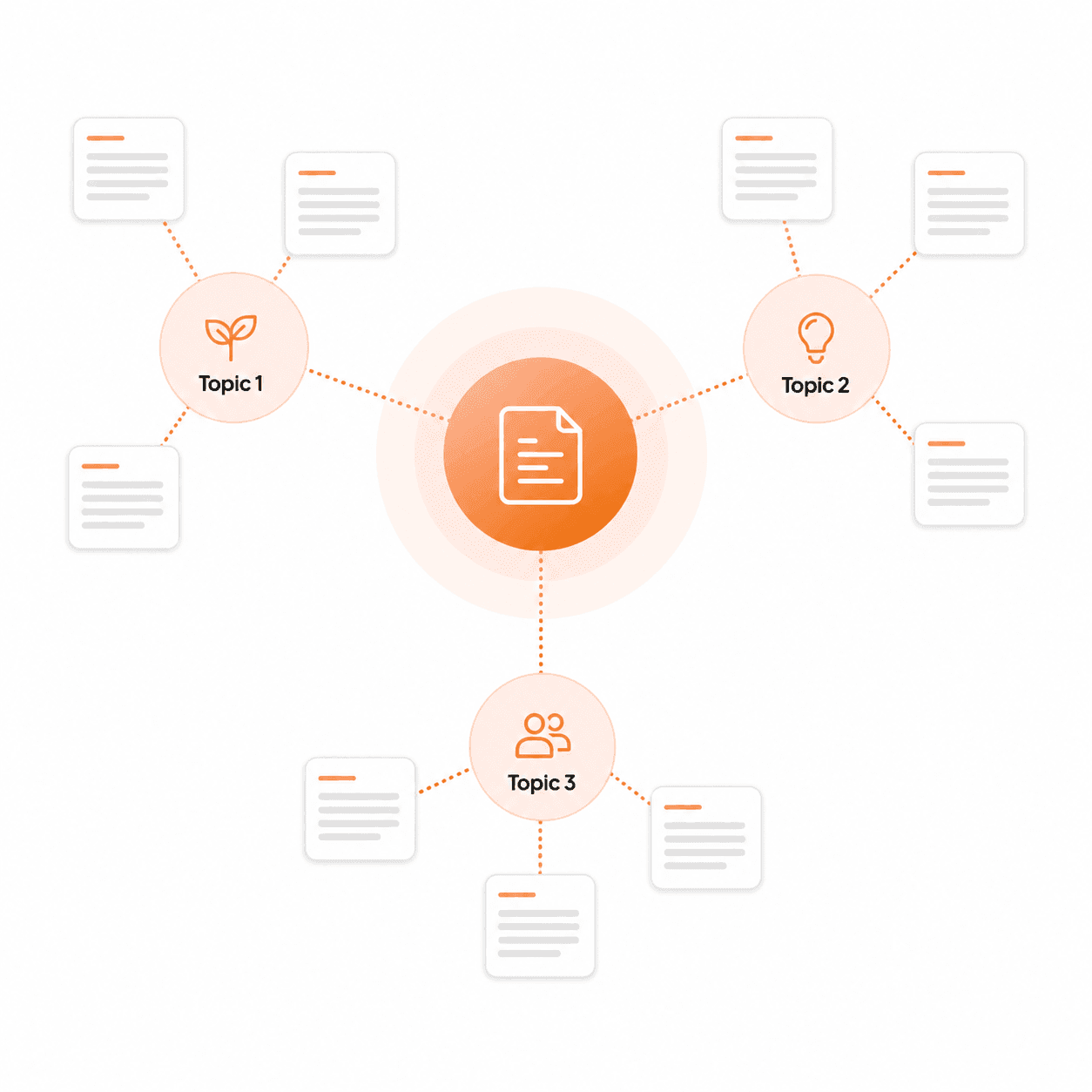
Build around topics

Build around topics, not just keywords

Instead of creating isolated blog posts, focus on building content around core topics. Choose a broad subject relevant to your business and create multiple supporting articles that cover it in depth. This helps search engines understand your authority and improves your chances of ranking across related queries. Start small with 2 to 3 topics and expand gradually as you build coverage.
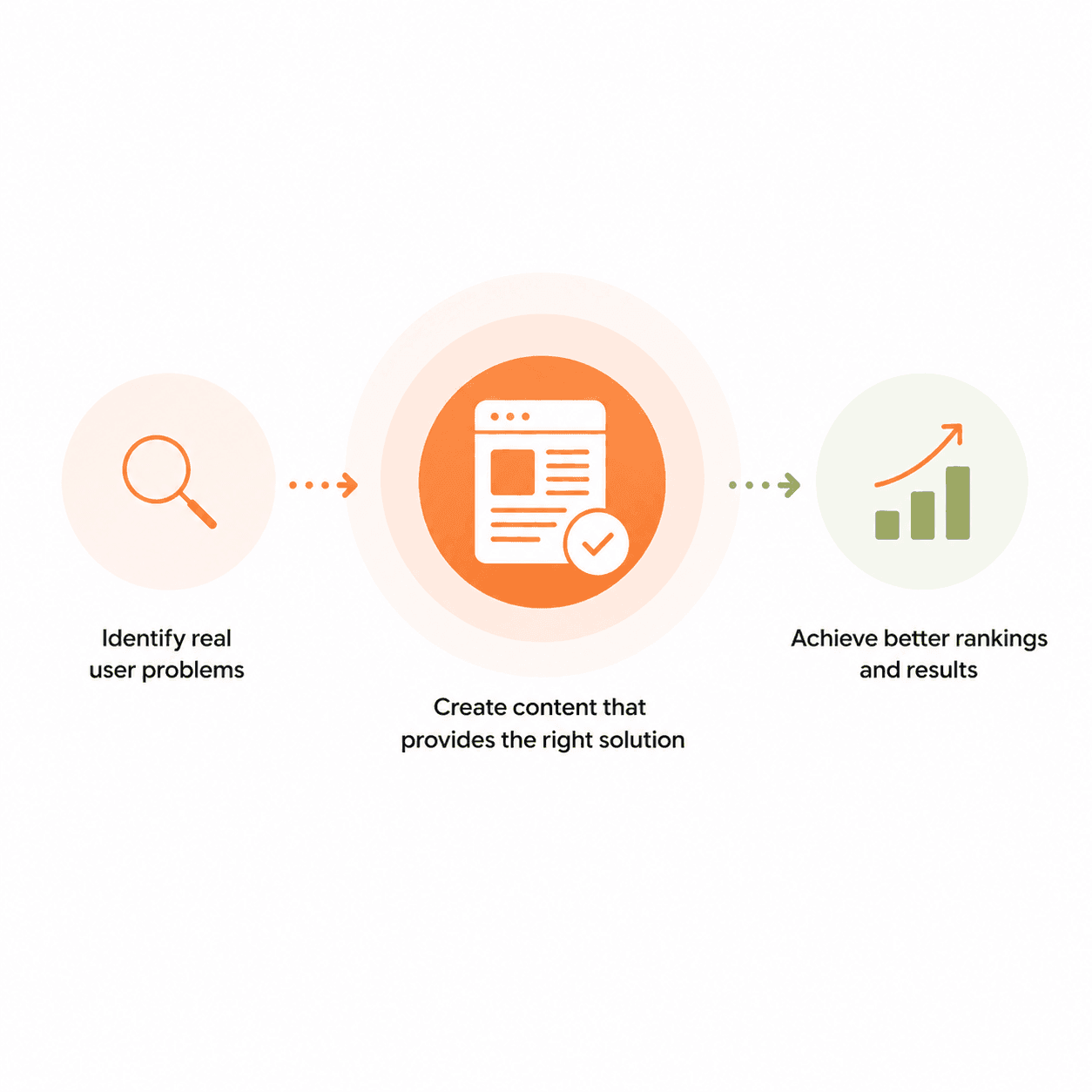
Solve real problems

Solve real problems, not just search terms

High-performing pages are built around real user problems, not just keywords. Think about what your audience is trying to achieve and create content that directly helps them do it. This approach naturally aligns with search intent and improves both rankings and conversions. If a page clearly solves a problem, it is far more likely to perform well.

Use internal linking

Use internal linking to build authority

Internal linking is one of the simplest ways to improve SEO, yet it is often ignored. Connect related pages so that authority flows across your site instead of staying isolated. Every new page should link to existing relevant content and receive links in return. Over time, this creates a strong content network that improves rankings across multiple pages.

Refresh and improve existing content

Refresh and improve existing content

Creating new content is important, but updating existing pages often delivers faster results. Identify pages that are losing rankings or traffic and improve them with updated information, better structure, and stronger internal links. Many high-performing websites get a large portion of their growth from content refreshes rather than new posts. Make this a regular part of your SEO process.

Optimize for both search and AI visibility

Optimize for both search and AI visibility

Search is no longer limited to traditional search engines. Your content should be easy to understand, well-structured, and directly answer questions so it can appear in AI-generated responses. Use clear headings, concise summaries, and practical examples. This improves your chances of being surfaced across platforms like ChatGPT, Gemini, and search AI overviews.

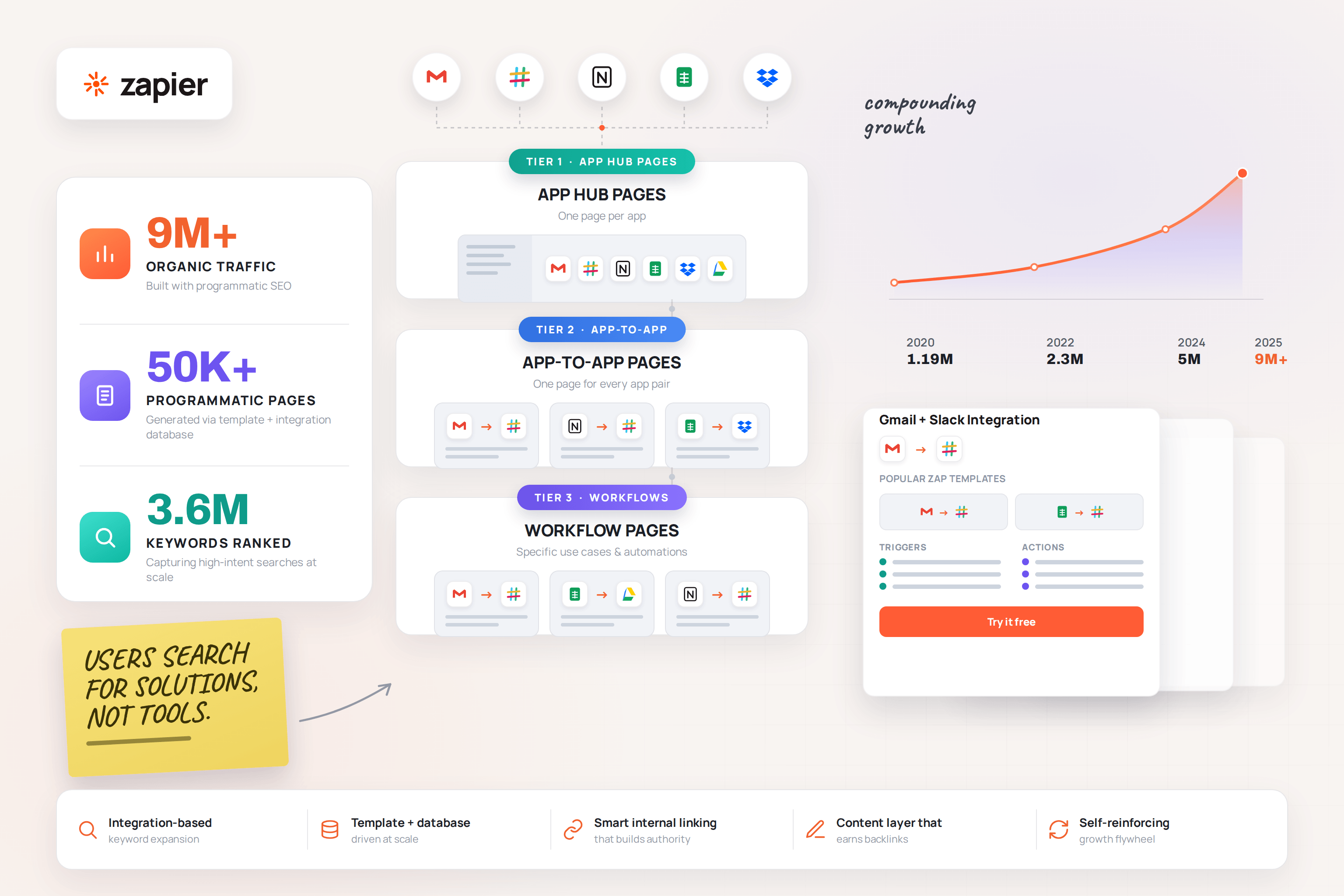
Scale content with systems

Scale content with systems, not effort

Publishing more content manually can only take you so far. The real growth comes from building systems such as topic clusters, templates, and repeatable workflows. Whether you are creating blog content or programmatic pages, focus on processes that allow you to scale without sacrificing quality. This is what turns SEO into a long-term growth engine, and our SEO platform helps you do that on autopilot.

SEO & AEO simplifiedai

Turn these strategies into a sclable system with Contetnpen

Replug stats with Contentpen
quotes

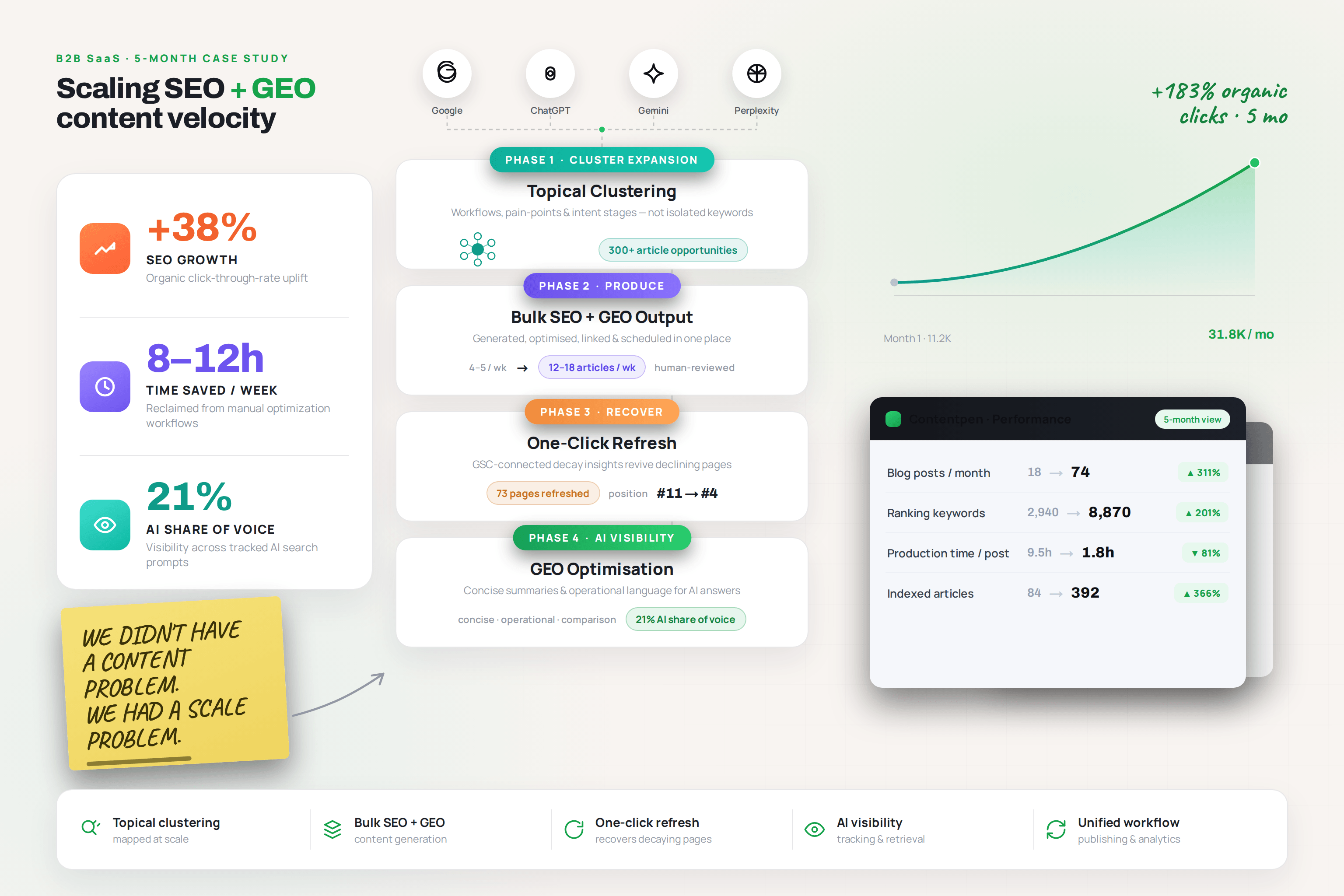
We started using Contentpen for our blog content, and the results have been incredible. Our average CTR jumped from 0.7% to 2.1%, and our average search position improved from 28.2 to 8.6. Contentpen made it easy to create content that actually performs in search, saving us time while driving real results.

Replug

Replug

Frequently asked questions

Quick answers to help you understand SEO strategies, results, and how to apply them to your website.

A search engine optimization case study is a real example showing how a website improved its rankings, traffic, or conversions using specific strategies. It breaks down the problem, the approach taken, and the results achieved so others can learn what actually works.

SEO usually takes 3 to 6 months to show noticeable results, depending on your competition, content quality, and consistency. Some improvements like indexing and small ranking gains can happen earlier, but long-term growth comes from sustained effort.

SEO is not dead; it is evolving. Search is expanding beyond Google into AI platforms, voice search, and personalized results. The focus is shifting from just rankings to overall visibility across search engines and AI systems.

The 80/20 rule in SEO means that a small portion of your efforts drives most of your results. Typically, a few high-quality pages, strong internal links, and well-targeted keywords generate the majority of your traffic and growth.

Start by identifying a few core topics relevant to your business, then build content clusters around them. Focus on solving specific user problems, connect your content with internal links, and update existing pages regularly to improve performance.

Focus on understanding your audience and the problems they search for. Then create helpful content around those topics, target relevant keywords, and ensure your website is easy to navigate and index.

Track key metrics like organic traffic, keyword rankings, click-through rates, and conversions. Consistent growth in these areas, along with improved visibility in search results, indicates your SEO strategy is working.

AI visibility refers to how often your content appears in AI-generated answers on platforms like ChatGPT, Gemini, or search AI overviews. It depends on how clearly your content answers questions and how well it is structured for retrieval.

AI is changing SEO by prioritizing clear, direct answers and well-structured content. Instead of just ranking pages, search systems now extract and present information, so content needs to be concise, helpful, and easy to understand to stay visible.

Put your SEO & GEO blogging on autopilot and drive3X more traffic

Content Studio Interface