 16 minutes
SEO keywords are the specific words people type into search engines when they want information, products, or services. They serve as the bridge between what someone wants and the content you create, helping you get more visitors on the platform who eventually convert.
In this guide, we’ll walk you through the 10 real-world SEO keyword examples and see why they work. By the end, you will know how to build a practical keyword plan, avoid common mistakes, and learn how Contentpen can help you rank better on SERPs.
So, let’s get started.
Why do SEO keywords matter in 2026?
When you go after the right examples of keywords for website pages, you get several benefits. You:
- Attract visitors who are more likely to convert.
- Learn which topics and phrases your audience actually uses.
- Rely less on paid traffic and save some resources on ranking.
- Give your small business a real chance to compete with bigger sites.
With AI Overviews appearing rapidly in searches, it is important to appear at the top of SERPs to maintain visibility and get real customers.
Top 10 SEO keywords examples that you can use today
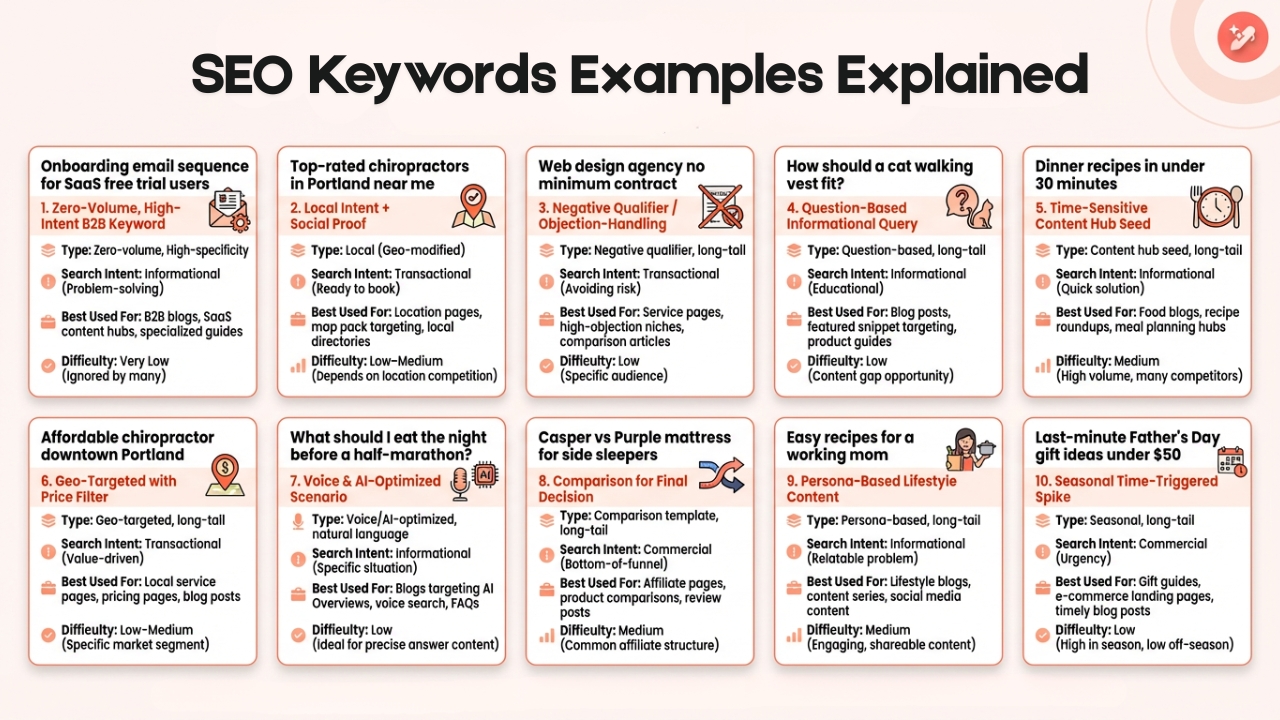
Now it is time to see theory in action. Each item below is a real-world example of a high-opportunity keyword that you can model, not just in wording but in structure and intent. Together, the entries cover bloggers, local businesses, and online stores, so you can choose which ones apply to your own site.
1. Onboarding email sequence for SaaS free trial users
Zero-volume keywords like these are one of the most overlooked opportunities in B2B content. No keyword planner will flag it as worth targeting, yet the person searching for it with a real, urgent problem is highly likely to take action.
That is exactly what makes it valuable.
A single, well-written guide built around this phrase can quietly drive qualified leads for months. And since many content teams don’t target such keywords, your competition is just yourself.
This is also a strong reminder that keyword research is not only about chasing keyword volume. Sometimes, the most profitable traffic comes from phrases that tools barely register, because the intent behind them is crystal clear.
If you run a SaaS product or write for one, building a content cluster around zero-volume, high-specificity phrases like this one is one of the fastest ways to bring in the right readers.
2. Top-rated chiropractors in Portland near me
Here you tap into local intent plus social proof. Someone who types this is ready to book, not just learn.
This phrase can power a location page for a clinic or a comparison guide listing several businesses around chiropractic care in your area. It also has a good chance of triggering Google’s local map pack, which can draw many clicks.
You can support this keyword with reviews, local schema, and clear NAP (Name, Address, and Phone Number) details.
3. Web design agency no minimum contract
Keywords that contain a negative qualifier, such as “no,” “without,” or “for non-technical users,” carry a very specific signal: this person knows exactly what they are trying to avoid. That clarity makes them far more likely to convert than someone still at the early research stage.
Someone searching this organic SEO keyword is not shopping around casually. They got burned by a long-term contract before, or they are cautious about commitment, and they want a solution that removes that risk.
If your agency offers flexible terms, you can use this SEO keyword example to put you directly in front of the right person at the right moment.
You can apply this logic across almost any service or product category. Think about the most common objections your customers raise before buying, then build those objections directly into your keyword targeting.

Write content that’s built to rank, not just read
Create search-optimized blogs aligned with SEO and GEO signals, so your content performs well across search and AI-driven discovery.
Try SEO Blogging FREE →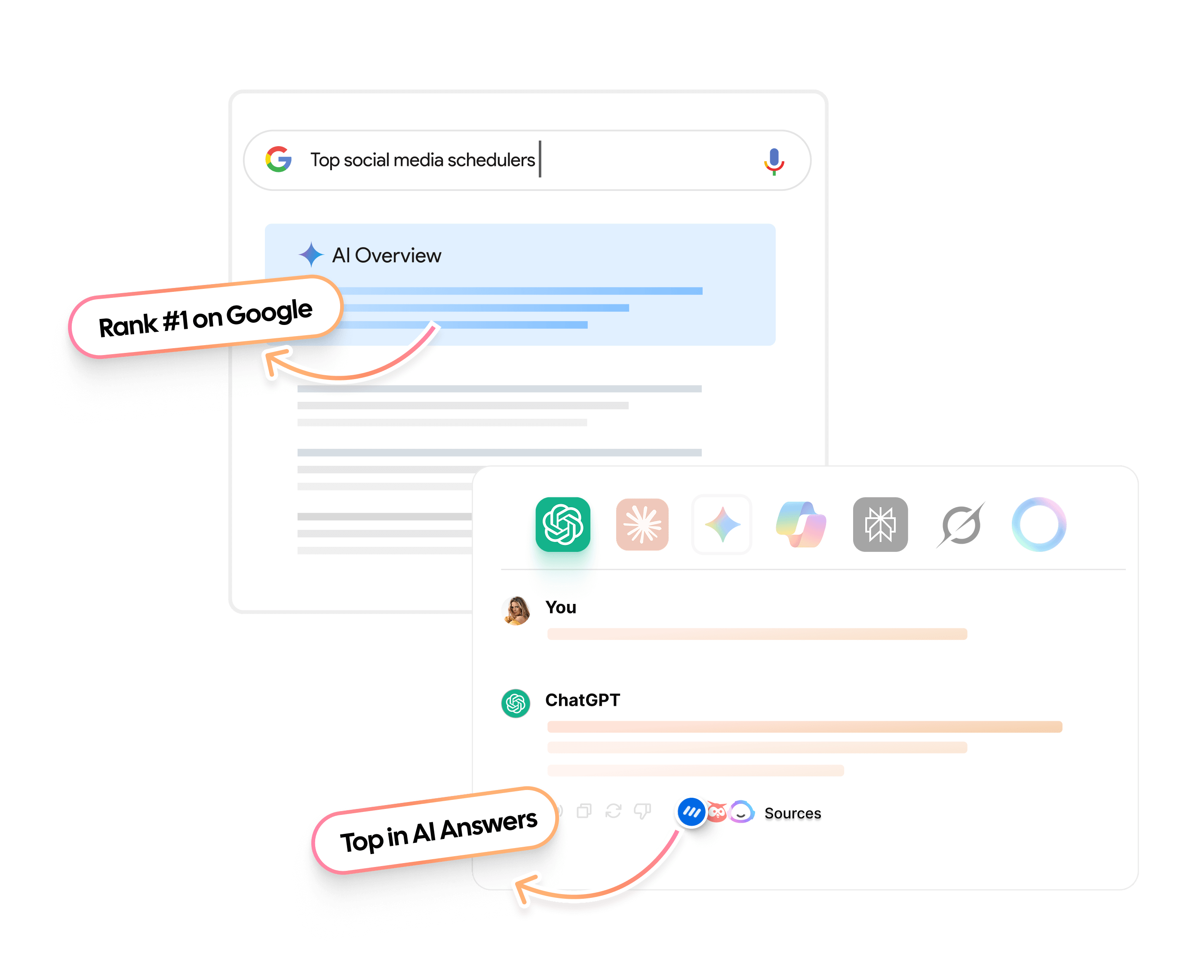
4. How should a cat walking vest fit?
This question-based keyword works well for both blogs and product support content. Most people who type it already own or plan to buy a vest for their cat.
Here, you can win a featured snippet spot with a clear guide that includes photos of how your furry friend should wear a walking vest.
Within the article, you can link to your product pages, turning informational traffic into sales. This is also a strong type of keyword in SEO, with an example showing how informational keywords can support commercial pages.
5. Dinner recipes in under 30 minutes
Time pressure makes this phrase powerful. Many people search for fast dinners after work, so this keyword can support a content hub on your site.
You can publish roundups, meal plans, and video demos around it. Over time, you can branch into example clusters like “healthy dinner recipes in under 30 minutes” or “one-pan dinner recipes in under 30 minutes.” Each spin-off gives you another chance to rank while feeding into a shared internal link structure.
6. Affordable chiropractor downtown Portland
This geo-targeted keyword adds a price filter. The word “affordable” sends a signal about what the searcher values, which helps you write copy that speaks to them.
A service page built around this term should highlight payment options, insurance, and clear pricing. It may have less competition than “best chiropractor Portland,” yet still draw people who intend to book. Add patient stories and a map, and you create a traffic magnet in no time.
7. What should I eat the night before a half-marathon?
This keyword is written exactly the way someone would say it out loud, and that is precisely why it matters right now. Voice search queries and AI prompts follow this full-sentence, situation-based pattern far more often than the short phrases people type into a search bar.
Google’s AI Overviews increasingly pull from content that answers this kind of specific, scenario-framed question. A page structured around the searcher’s exact situation stands a much better chance of being cited in an AI Overview than a page optimized around a head term.
For content creators and bloggers, this means thinking beyond the keyword and into the moment. Ask yourself what your reader is doing right before they search, and frame your title and opening around that situation.
8. Casper vs Purple mattress for side sleepers
This is a comparison keyword, and it follows one of the most reliable templates in e-commerce and affiliate SEO: [Brand A] vs [Brand B] + qualifier. The person searching for it is not browsing. They have already narrowed their options down and are looking to make a final decision.
That is why comparison keywords convert so well. The intent is built right into the phrase. You can apply this same structure across almost any product category: project management tools, running shoes, protein powders, etc.
The qualifier at the end, such as “for side sleepers” or “for remote teams,” sharpens the match even further and filters in the exact buyer you want.
If you run an affiliate blog or an e-commerce store, building product pages and comparison guides around this template gives you a repeatable way to target high-intent traffic.
Pair each page with a clear comparison table, honest pros and cons, and a recommendation, and you have a content format that earns both organic clicks and trust.
9. Easy recipes for a working mom
This keyword calls out a clear persona. The person behind it feels pressed for time and energy. A blog post that speaks to that life stage can earn high engagement, shares, and email sign-ups.
You can expand into related secondary keywords like “meal prep ideas for a working mom” or “budget-friendly easy recipes for a working mom,” building a deep content series that keeps people coming back.
10. Last-minute Father’s Day gift ideas under $50
This is a seasonal, time-triggered keyword that can be used for a momentary traffic gain. The search volume is almost zero in January, but it spikes sharply in the weeks before Father’s Day in June, worldwide.
The right approach is to publish this content six to eight weeks before the seasonal peak. That gives Google enough time to crawl, index, and rank your page so it is ready to capture traffic at the exact window in which Father’s Day festivities are at their peak.
A smart business owner will capitalize on this seasonal keyword and transition to another (e.g., Independence Day, Labor Day, Thanksgiving, etc.) Or they could just use the Father’s Day seasonal keyword as a launchpad for their main product.
Here is a quick summary of all 10 examples and what makes each one work:
| Keyword | Type | Search Intent | Best Used For | Difficulty |
| Onboarding email sequence for SaaS free trial users | Zero-volume | Informational | B2B blogs, SaaS content hubs | Very Low |
| Top-rated chiropractors in Portland near me | Local | Transactional | Location pages, map pack targeting | Low–Medium |
| Web design agency no minimum contract | Negative qualifier, long-tail | Transactional | Service pages, high-objection niches | Low |
| How should a cat walking vest fit? | Question-based | Informational | Blog posts, featured snippet targeting | Low |
| Dinner recipes in under 30 minutes | Content hub seed, long-tail | Informational | Food blogs, recipe roundups | Medium |
| Affordable chiropractor downtown Portland | Geo-targeted | Transactional | Local service pages | Low–Medium |
| What should I eat the night before a half-marathon? | Voice/AI-optimized | Informational | Blogs targeting AI Overviews, voice search | Low |
| Casper vs Purple mattress for side sleepers | Comparison template, long-tail | Commercial | Affiliate pages, product comparisons | Medium |
| Easy recipes for a working mom | Persona-based, long-tail | Informational | Lifestyle blogs, content series | Medium |
| Last-minute Father’s Day gift ideas under $50 | Seasonal | Commercial | Gift guides, e-commerce landing pages | Low (in season) |
How to find SEO keywords that actually rank
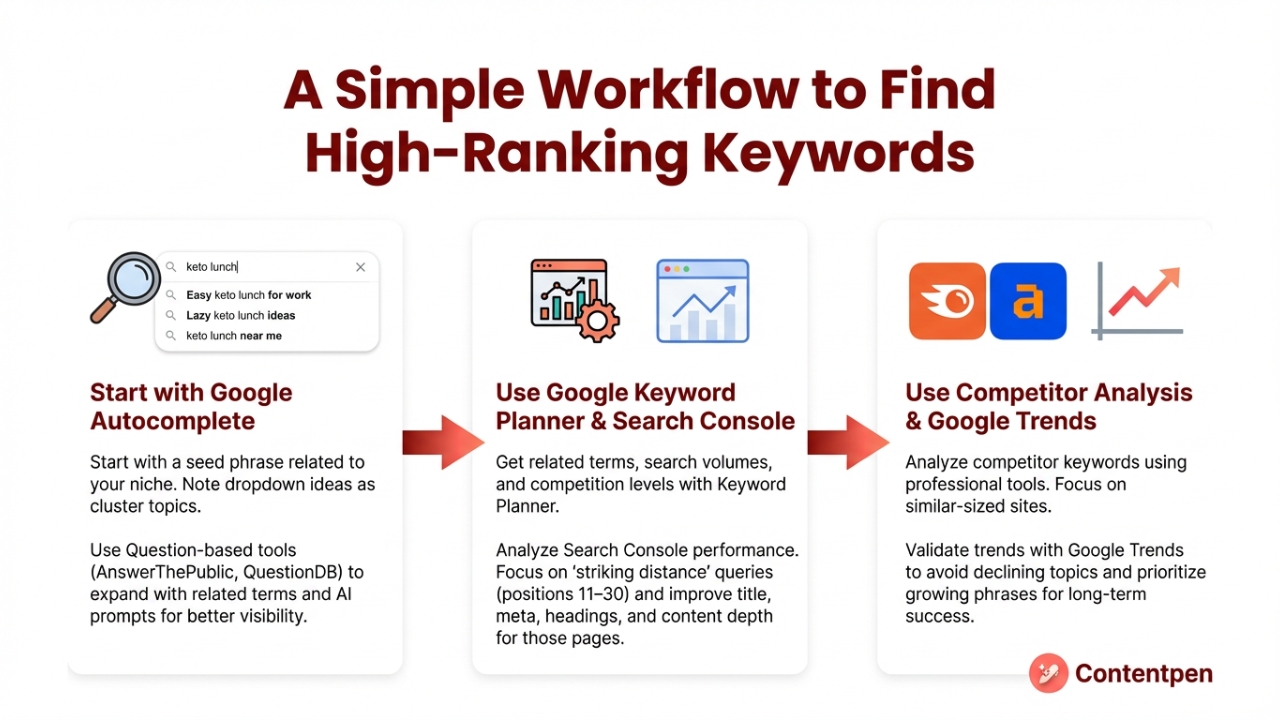
Learning about the SEO keyword examples is one thing, but finding them is the real challenge. That is why we’ve provided you with a simple workflow that you can follow to find the right keywords without hassle.
Step 1: Start with Google autocomplete
Begin with a seed phrase that fits your niche, then start typing it into Google. As you type, Google shows a dropdown of related searches other people use. For example, if you test “keto lunch,” you may see ideas like:

- “Easy keto lunch for work”
- “Lazy keto lunch ideas”
- “keto lunch near me”
Note each keyword down in a file for later reference. Each keyphrase here can serve as your cluster for a pillar topic, such as “keto lunch” in this case.
Next, you can use question-focused tools such as AnswerThePublic or QuestionDB. These tools expand your initial query into more related terms for that topic, which you can later target in your content.
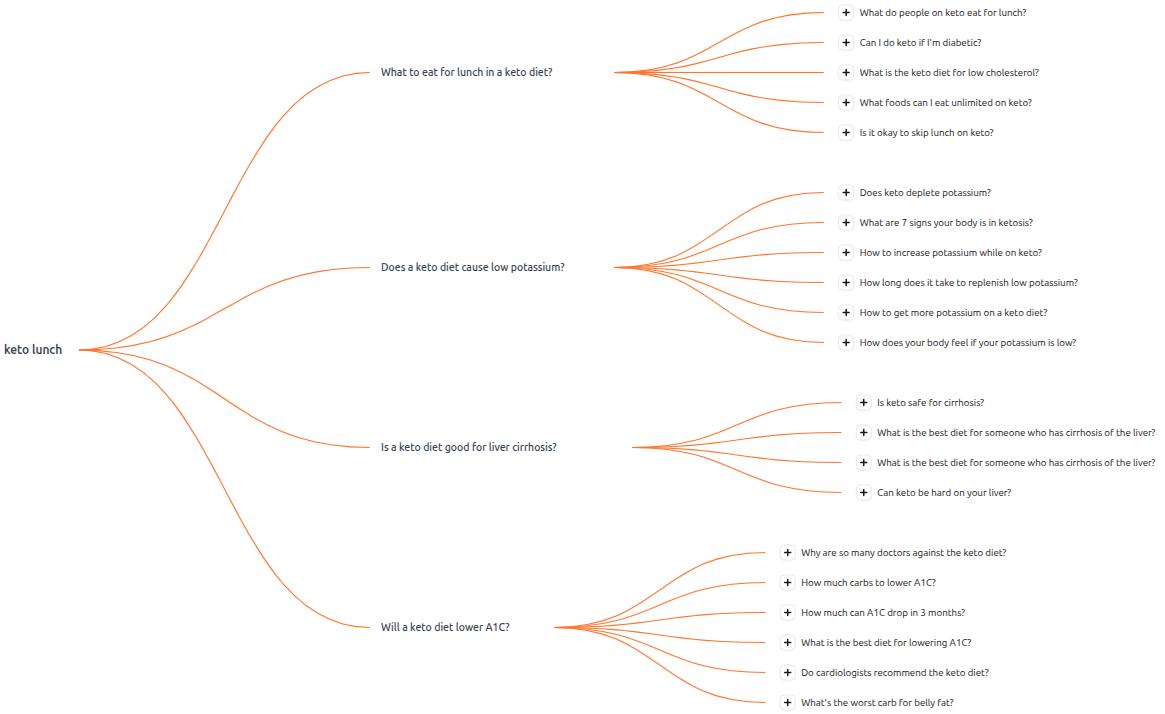
You can also utilize the AI prompts that people search in AnswerThePublic for your topic and use these queries in your content to gain better AI visibility.
Step 2: Use Google’s Keyword Planner and Search Console
Google Keyword Planner functions inside a Google Ads account, but you can use it without running ads.
When you put in a few seed phrases, you get a list of related terms, search volume ranges, and competition levels for better insights. The tool helps you choose which phrases are worth the effort without much hassle.
You should also consider using Google Search Console to check the Performance report. This shows the queries that already bring people to your site.
Look for terms where your page sits in positions close to the first page with a reasonable click-through rate. But to effectively use these “striking distance” phrases, you need to:
- Sort queries by position.
- Highlight those in the 11–30 range.
- Check which page each query is tied to.
- Improve that page’s title, meta description, headings, and content depth around the term.
Once you see these patterns, you can decide whether to create new content, improve a current page, or maintain a page with updated details that already perform well.
Step 3: Use professional competitor analysis SEO tools
You can speed up your research by looking at what already works for others. Tools such as Semrush and Ahrefs let you analyze competitors and see many of the keywords that bring them traffic.
Focus on sites similar in size to yours so the targets feel realistic. This gives you practical examples of keywords for SEO that already have proven demand.
Combine this with Google Trends to see if a keyword is rising, falling, or seasonal. That way, you avoid investing in phrases with shrinking interest and put more energy into terms that will grow over time.
Related read: Top SEO competitor analysis tools in 2026.
Common mistakes when using SEO keywords examples
Getting a comprehensive keyword list is half the job done. Now, you need to learn about the mistakes that people make when implementing those keywords on their platforms.
On-page keyword placement
Start by selecting a singular primary (focused) keyword for a page. Use that primary keyword naturally in these spots without stuffing:
- Page title tag, near the beginning, if possible. This is one of the strongest on-page SEO wins you can get.
- URL slug. Keep it short and descriptive to help both readers and search engines understand the topic.
- H1 headline on the page, which should closely match your title and include the main term. This tells Google that the visible heading aligns with the title tag.
- Use the closest match to your primary keyword in the H2 or H3 subheadings. This provides structure and reinforces topical focus, especially for long posts.
- The first 100 words of the body text are where an early mention helps show relevance to the topic right away.
Beyond the primary phrase, sprinkle natural variations and related terms. If your main term is “SEO techniques,” you might also use “SEO tips,” “on-page SEO methods,” and keyword research tools to promote semantic SEO.
Automated keyword research
Work on keywords worth writing for
Get search terms with real ranking potential, not just high volume.
Try Keyword Research for FREE →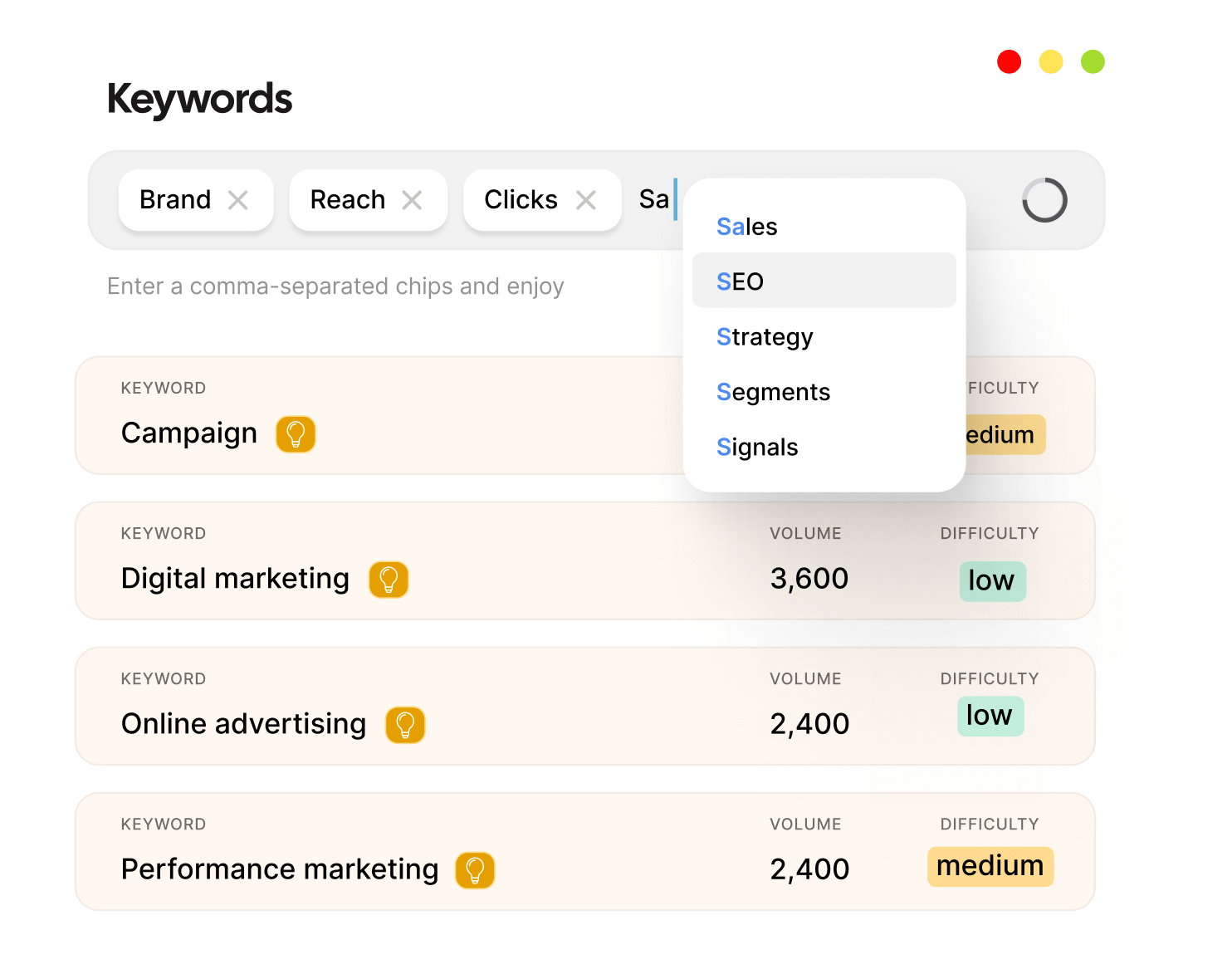
Internal links matter too. When you link from one article to another, use descriptive anchor text such as “how to use SEO keywords in blog posts” instead of generic text like “click here.” This passes context and supports your target keywords for website sections.
Finally, do not forget the supporting elements:
- Image alt text that describes the image and naturally includes related terms
- Meta descriptions that mention the target phrase and encourage clicks
- Schema markup for articles, products, and local businesses where relevant
These areas do not replace strong content, but they help Google understand and display your pages more clearly.
Other bad habits that ruin rankings
Below are some habits that can quietly hurt your rankings, even when your keyword list looks strong.
1. Keyword stuffing
This happens when you repeat a term so often that your text reads poorly. For example, for “dog vest,” some people might write:
“This dog vest is the best dog vest for medium-sized dogs. If you need a dog vest, you can buy this no-pull dog vest for $59.99.”
Not only does this sound strange, but it can also trigger spam signals.
A better approach is to use the term a few times in natural spots and rely on related words and clear explanations to show what the page covers.
2. Chasing only huge, broad phrases
New sites that go all-in on terms like “insurance” or “weight loss” often see little movement for years. You get faster results by building content around long-tail keywords and local terms first, using them as stepping stones toward the bigger phrases later.
3. Ignoring search intent
If someone searches “how to fix lower back pain,” they want advice, not a hard sell for an appointment in the first sentence.
When your content does not match keyword intent, your bounce rate increases, and your rankings slide. Therefore, you should match your pages to one of the following:
- Informational intent (learn something)
- Commercial research (compare options)
- Transactional intent (buy or book)
- Navigational (get to a specific page)
- Branded (Explore the brand’s offerings)
Avoiding common mistakes and following the best practices for SEO keywords can help you rank faster and sustain your position in the SERPs for longer.
How Contentpen helps you find and use the right SEO keywords
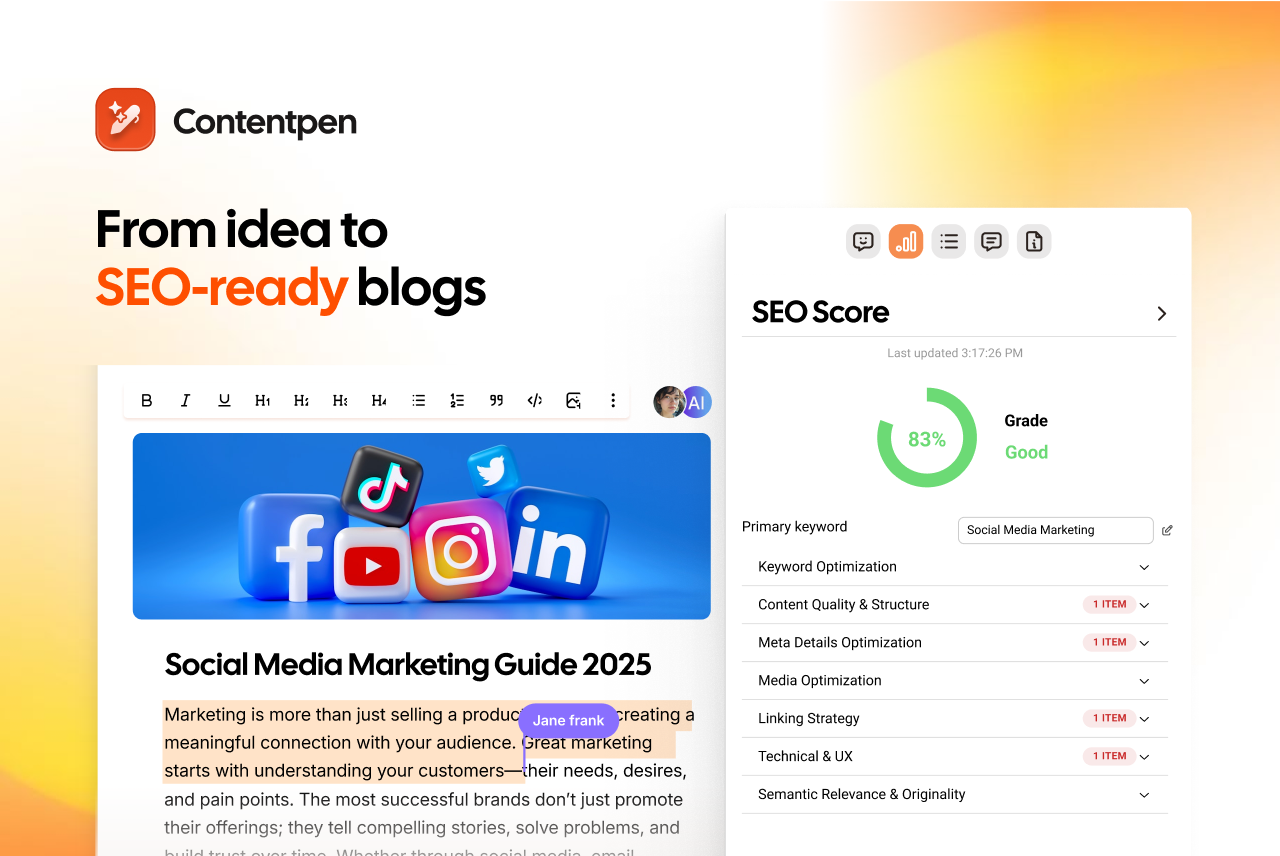
Many business owners and content teams know keywords matter, yet feel stuck between free tools and confusing reports.
Contentpen steps in as a one-stop solution. It automatically researches and surfaces the right types of keywords for your business type and niche.
The SEO platform also creates and manages clusters of keywords so that you can establish your topical authority and increase your share of voice in the industry in no time.
Create topical authority, not isolated posts that fills them

Group related content into SEO-friendly clusters
Strengthen rankings with internal relevance
Besides all these functionalities, the tool also offers:
- SEO scoring: Contentpen provides a realistic SEO score that shows the current standing of your article in search engines. It offers real-time suggestions to boost this number even further by placing the keywords naturally in the meta title or description.
- SEO opportunities: The tool automatically analyzes your site and recommends the best ‘quick wins’ where slight content tweaks or keyword implementations can help you win better SERP positions. It also highlights decaying pages that you can fix.
- Website analytics: Get your impressions, keyword position ranking, CTR, and traffic metrics inside Contentpen. The tool makes it easy to work from a single workspace without switching tabs.
- Bulk content creation: Once you have your keyword lists sorted, the next step is to bulk-create blogs with Contentpen to maximize the potential of clusters and establish your brand online.
- Integrated publishing: Integrations with popular CMS platforms mean less time spent publishing and more time spent researching and implementing different SEO keyword examples across your site.
Whether you are a freelancer, an agency, or a small business owner, Contentpen is a tool that you must try to unlock more growth and productivity.
Final thoughts
The fastest path to better rankings rarely starts with fancy tricks. It starts with picking the right words. When you use specific, intent-driven long-tail and question-based terms, each page becomes a sharp answer to a clear need.
That is the power behind every strong seo keywords example in this guide. Whether you run a local clinic, a pet store, or a recipe blog, you can claim space in search by matching the exact phrases real people use.
If you want a smart tool that handles keyword research, content writing, SEO scoring, optimizing, and publishing, then look no further than Contentpen. Let us take care of your rankings. Try Contentpen now and feel the difference.