 18 minutes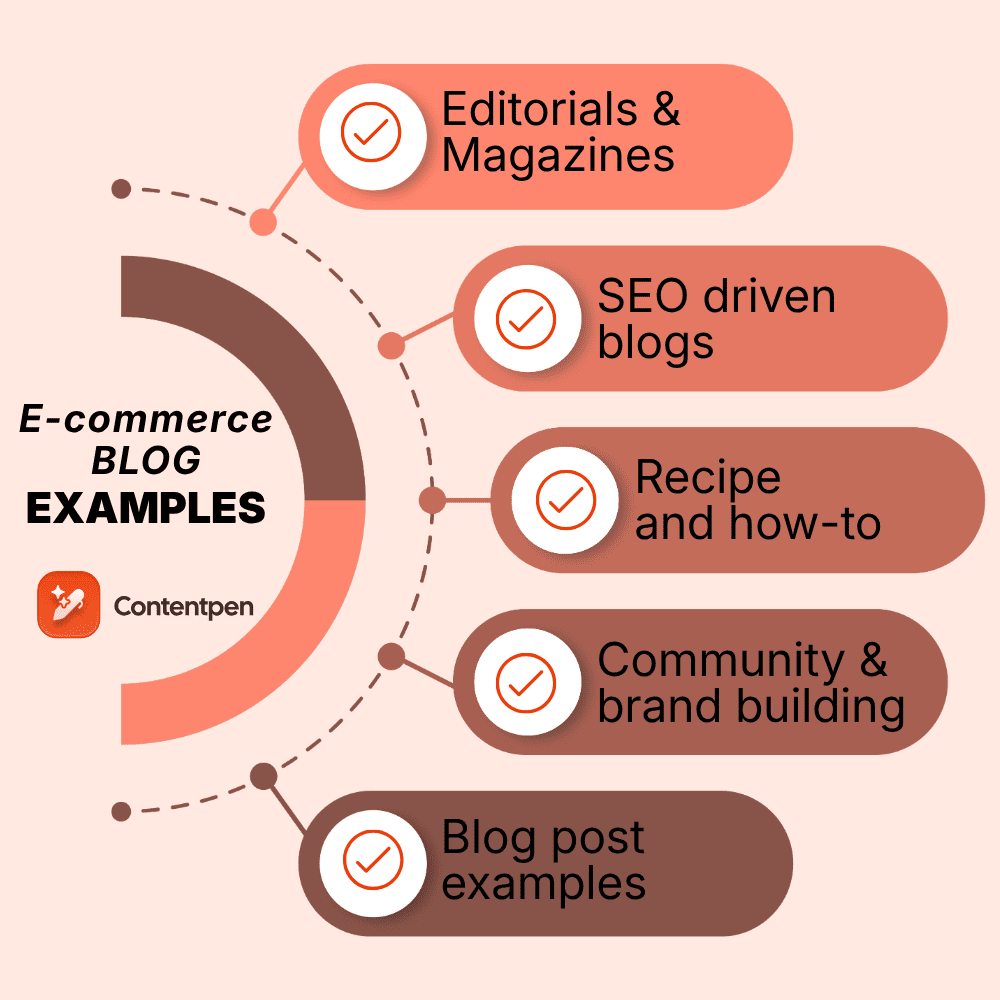
An e-commerce blog is a real online store’s blog, or a specific post inside it, that uses content to build a brand, rank in search, and move readers closer to a purchase.
The best ones include Glossier’s Into The Gloss, Patagonia’s ‘The Cleanest Line’, REI’s ‘Uncommon Path’, and buying guides from retailers like Lowe’s.
Below you will find 25 e-commerce blog examples grouped by what they do well. Plus a step-by-step framework for building a blog of your own that actually earns traffic and sales.
Use this guide to learn the best practices followed by e-commerce blogs for content marketing. Then follow the building section to turn that inspiration into a blog that ranks.
Table of contents
- Key takeaways
- What counts as an e-commerce blog?
- Best e-commerce brand blog examples
- E-commerce blog post examples that drive sales
- Best e-commerce blog publications to follow and learn from
- What makes a great E-commerce blog
- Types of E-commerce blog content that work
- Why E-commerce brands have blogs
- How to start an E-commerce blog, step by step
- How to write an E-commerce blog with Contentpen
- E-commerce blog SEO best practices
- How to measure E-commerce blog success
- Frequently asked questions
Key takeaways
- The best e-commerce blog examples pick one clear purpose (brand, search, community, or sales) and commit to it.
- Brands like Glossier, Patagonia, and REI win on brand and community, while retailers like Lowe’s and Sous Chef win by pairing useful content with direct product links.
- Proven post formats, like buying guides, how-tos, recipes, gift guides, and answer posts, reliably move readers toward a purchase.
- To rank, put a direct answer up top, target real search intent, cover the topic thoroughly, link internally, and refresh content over time.
- A blog is worth it only if you back it with a strategy, a cadence, and clear KPIs.
What counts as an e-commerce blog?
An e-commerce blog is a content section on an online store’s website (or a standalone site owned by the brand) where the company publishes articles, guides, interviews, recipes, and stories related to what it sells.
It is different from a media publication because the goal sits behind the content: Attract the right audience through search and social, build trust and brand affinity, and gently guide readers toward products.
A strong blog does three jobs at once:
- Brings in new visitors through search engine optimization and shareable content.
- Builds brand and loyalty by giving people a reason to return that is not a discount code.
- Supports revenue through internal links, buying guides, and product recommendations placed inside genuinely useful content.
With that definition in place, here are the examples.
Best e-commerce brand blog examples
These are full brand blogs that show what “great” looks like across different industries and strategies.
Rather than listing them at random, they are grouped by the main thing each one does well, so you can find the model closest to your own brand and replicate it.
Editorial and magazine-style blogs
1. Glossier, Into The Gloss
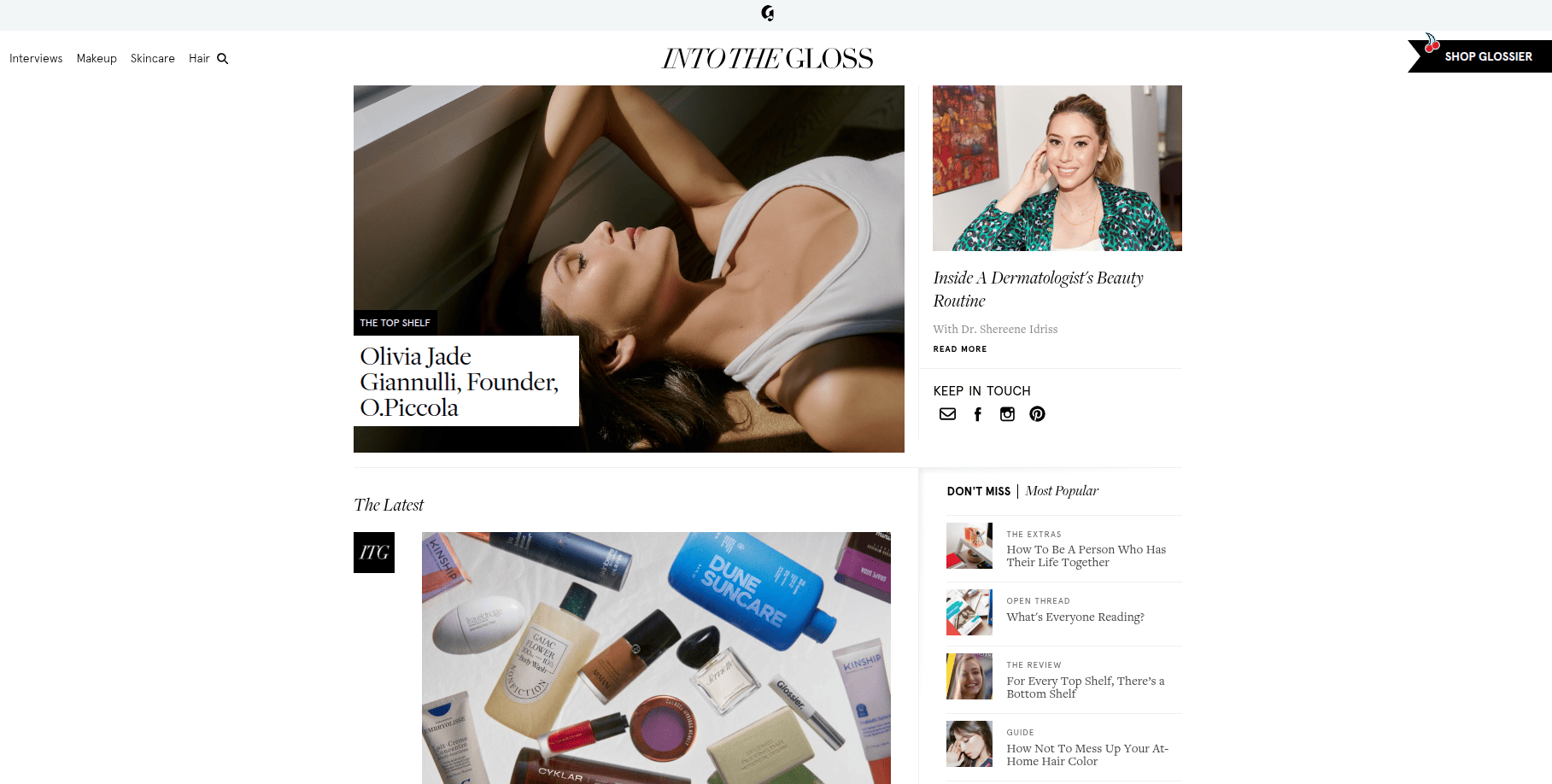
Glossier famously grew out of a beauty blog, and the blog still reads like an independent magazine rather than a storefront. Interviews, routines, and trend pieces speak to the customer’s wider interests.
Its links point both to Glossier products and to outside brands, which keeps the content feeling honest instead of promotional.
2. Away, Here Magazine
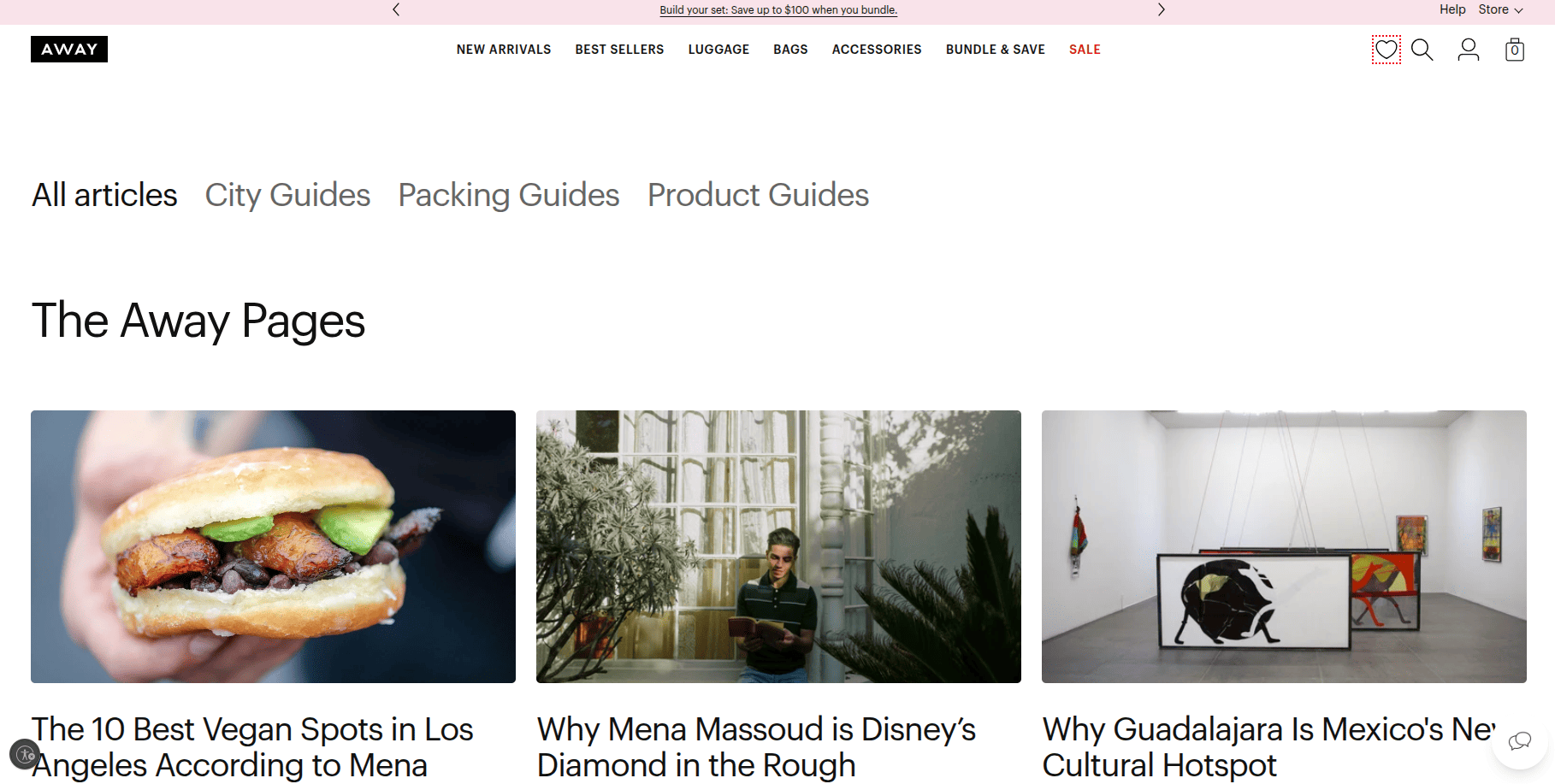
Away, Here Magazine, the luggage brand runs a minimalist travel publication with city guides, essays, and interviews. Product mentions are light.
The payoff is association. Readers come for travel inspiration and leave thinking of Away as a leading travel brand, not just a suitcase maker.
3. Wolf & Badger, The Magazine
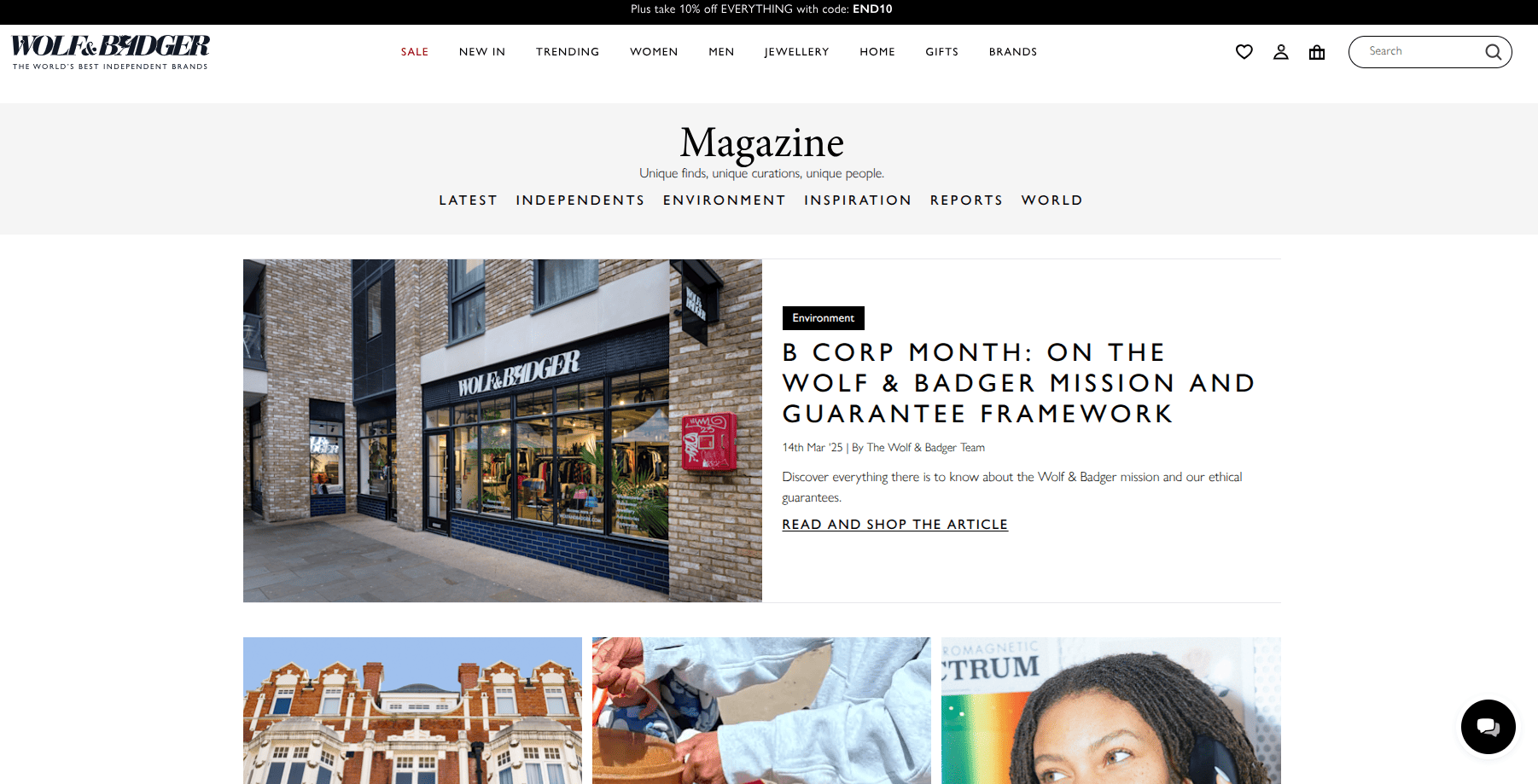
Wolf & Badger, The Magazine blog is structured around content pillars such as creators, environment, and inspiration. This blog captures search demand with pieces like gift and jewellery guides, then quietly links back to relevant products with a “shop the article” style section.
4. Lick, the Magazine
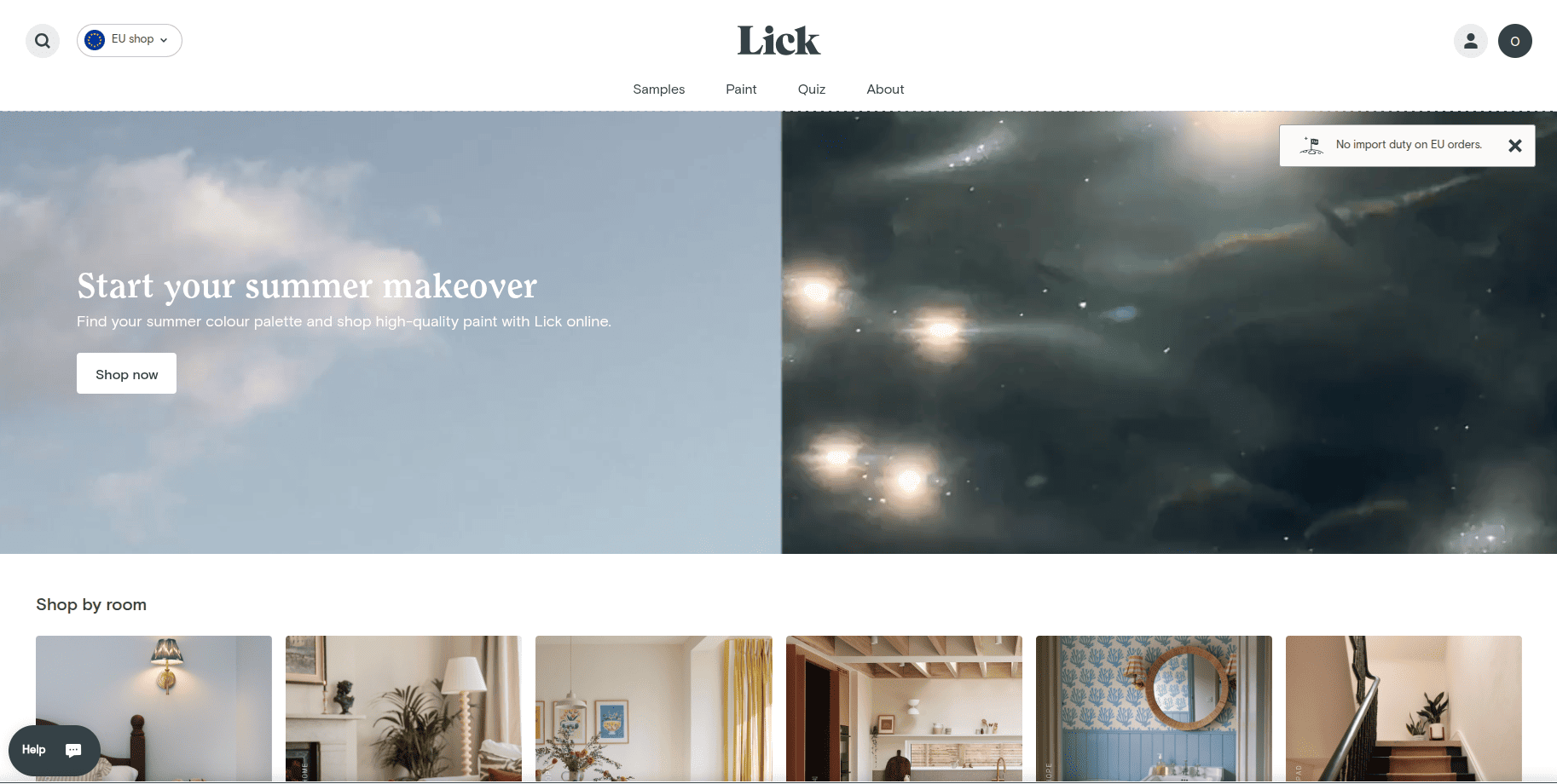
Lick calls its blog a “Magazine” and fills it with “how to,” “best of,” and “top” style home decor articles. The volume and consistency let a young brand look like an authority in a crowded category.

Write better blogs in less time, without sacrificing quality.
Let AI handle structure, clarity, and flow while you stay in control of the message.
Try AI blog writing →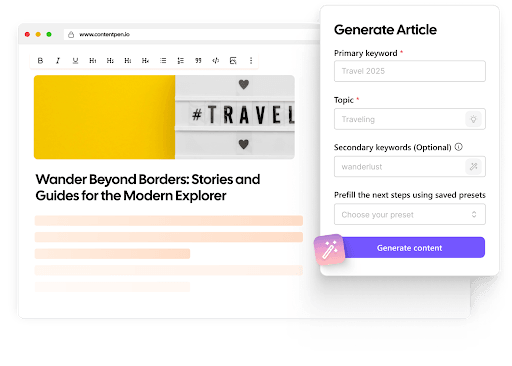
SEO driven blogs built to capture search demand
5. Bulletproof, the Learn hub
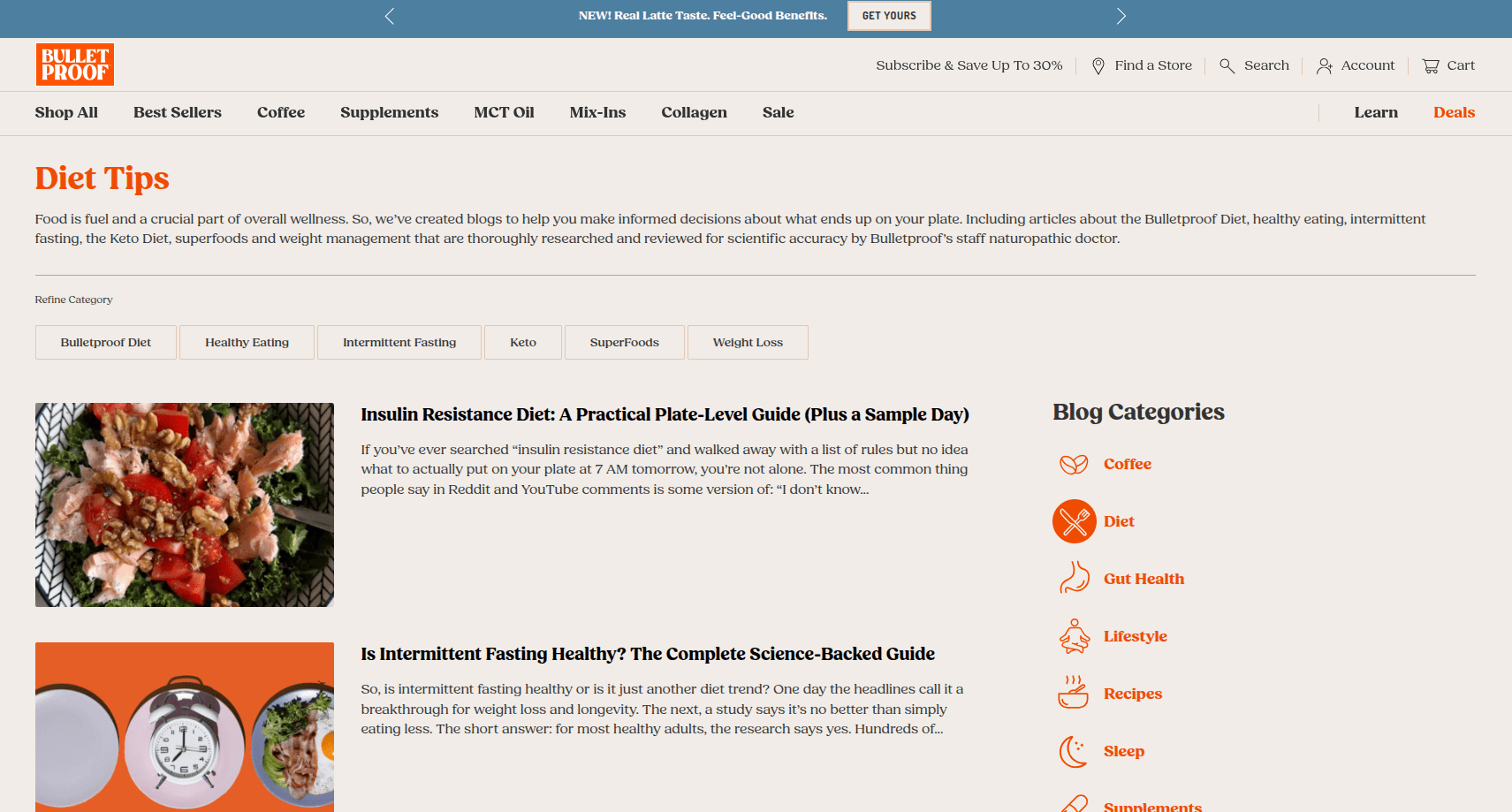
Bulletproof targets high-intent nutrition and keto search queries. It is a textbook example of using a blog to own a niche in organic search and build topical authority around a product line.
6. The Sports Edit, Editorial
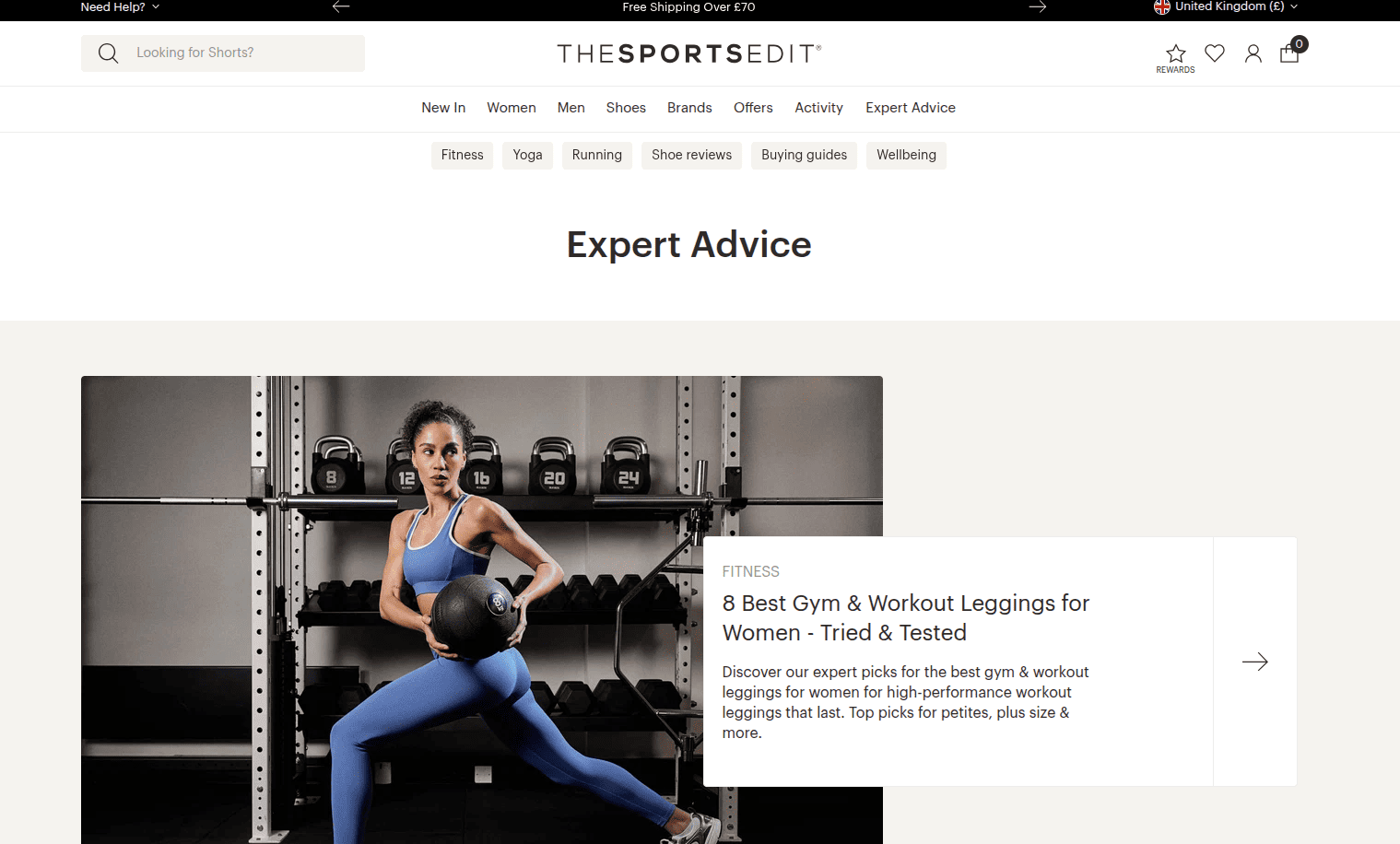
The Sports Edit, an activewear retailer, builds content around health, nutrition, and sustainability queries that its buyers are already searching for. Search sits at the core of the strategy, but the writing stays on brand.
7. Rhone, Pursuit
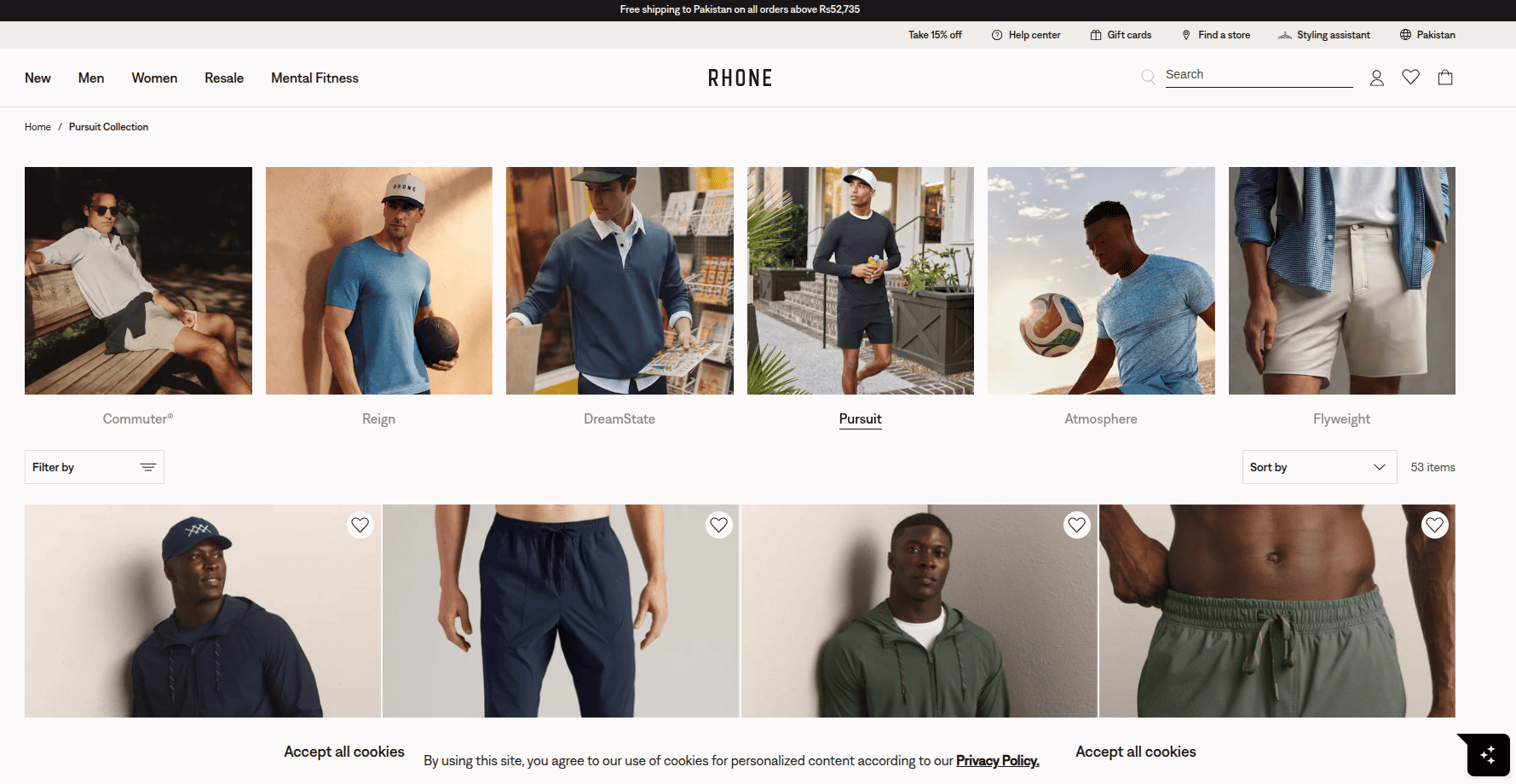
Rhone blog answers specific fitness and wellness questions with clear subheadings and links to credible sources, which is exactly the structure search engines reward. It also leans into male mental health, a topic that differentiates the brand.
8. DAME, The Pioneer
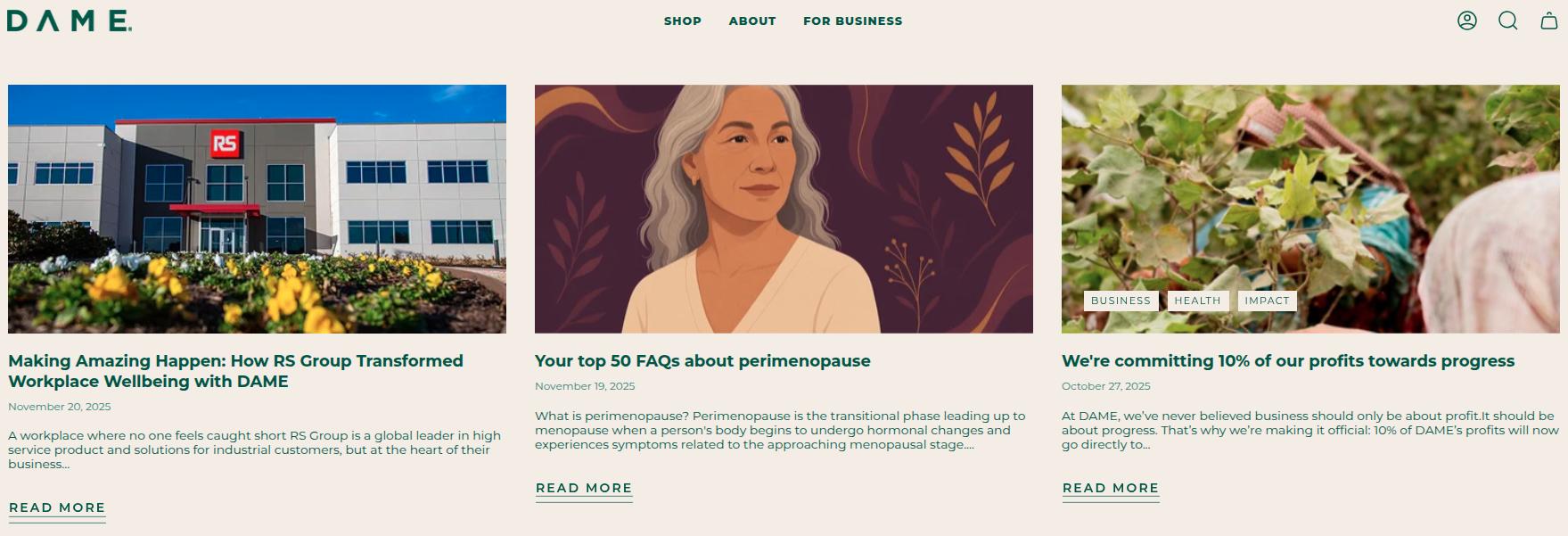
DAME, The Pioneer answers commonly searched, sometimes taboo questions in detail, then nudges gently toward its products near the end of each piece. Answering real questions well is what earns featured snippets and “People also ask” placements.
Recipe and how-to blogs that sell products directly
9. Kettle & Fire
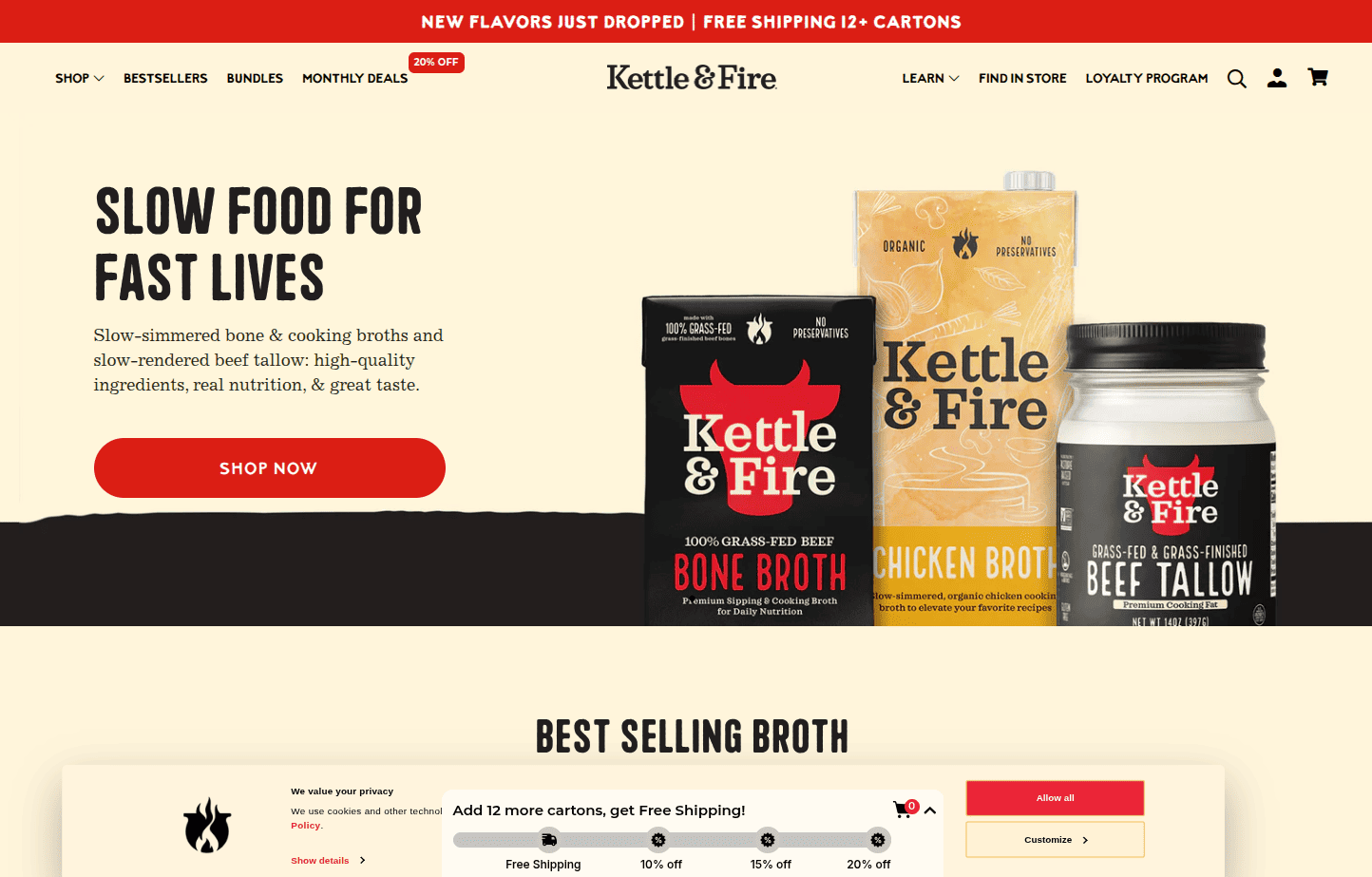
Kettle & Fire, the bone broth brand, publishes clean eating recipes that naturally feature its own products. Recipe content attracts high-volume searches and puts the product in the reader’s hands at the exact moment they are planning a meal.
10. Sous Chef, The Bureau of Taste
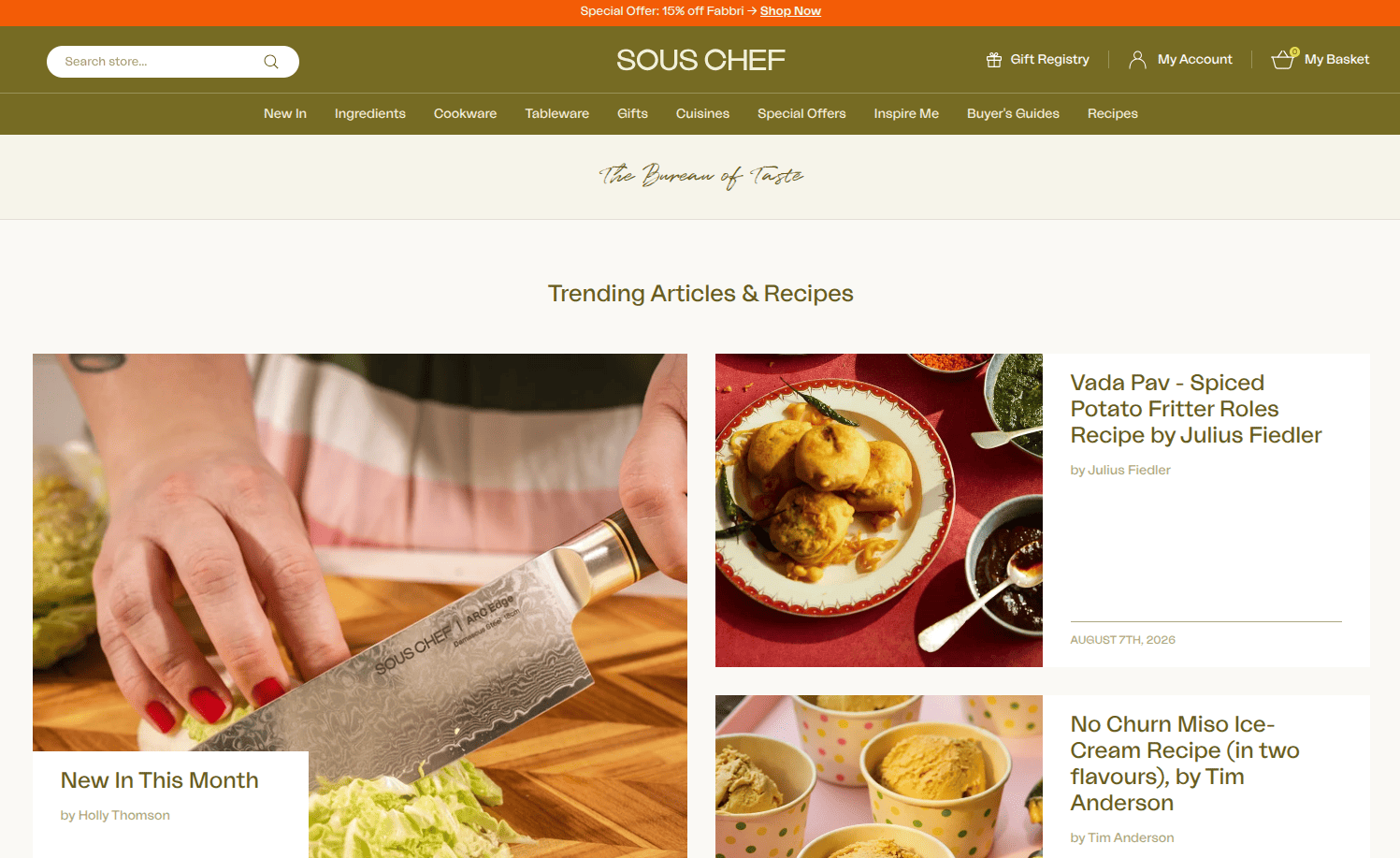
Sous Chef, the premium cookware and ingredients retailer, runs recipes and buying guides such as how to choose the best soy sauce. The content draws search traffic and drives revenue directly, because every ingredient and tool mentioned is for sale on the same site.
Community, mission, and brand-building blogs
11. Patagonia, The Cleanest Line
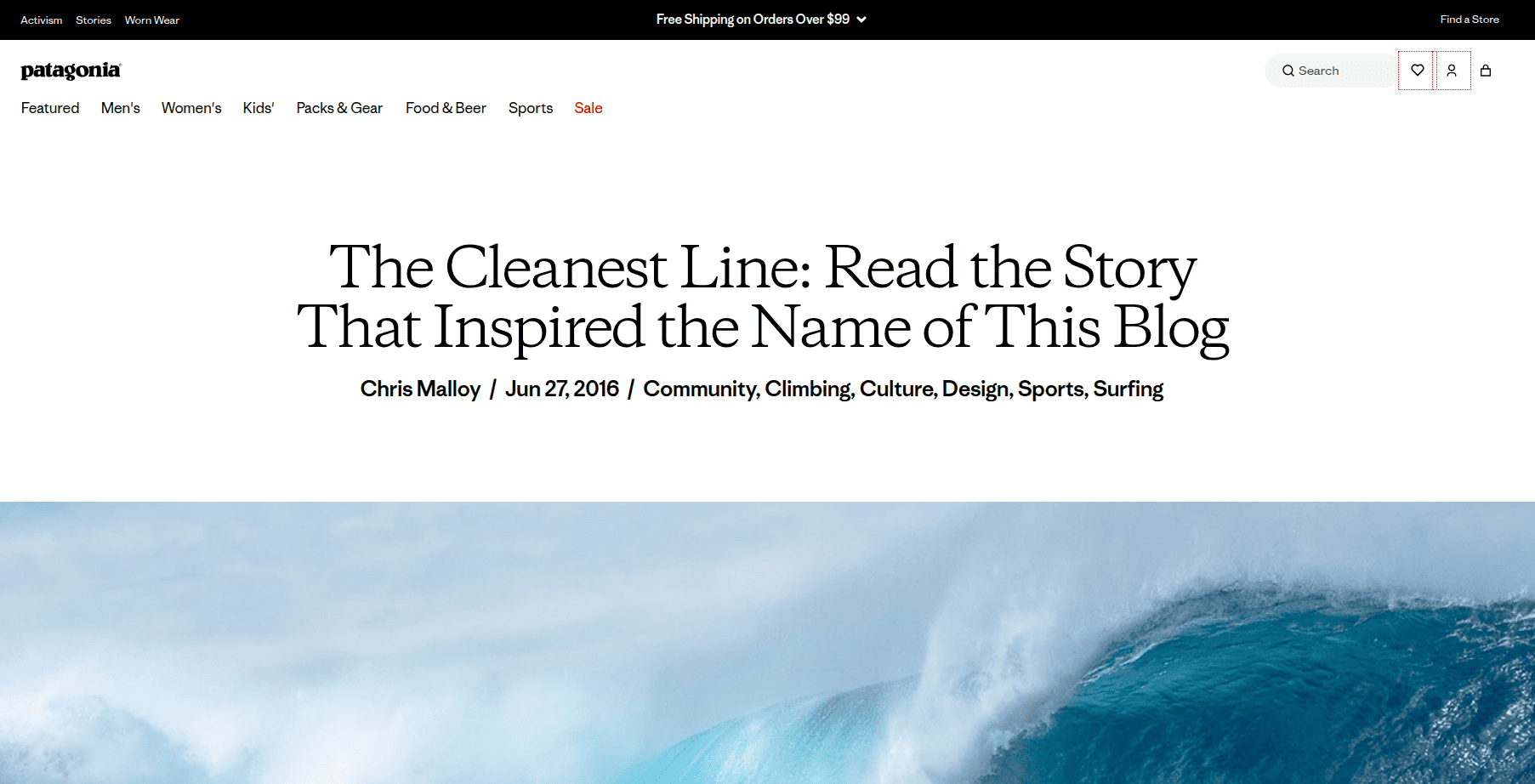
Patagonia, The Cleanest Line, blends adventure storytelling with environmental activism through both video and writing. The blog is inseparable from the brand’s mission, which is why it builds such deep loyalty.
12. REI, Uncommon Path
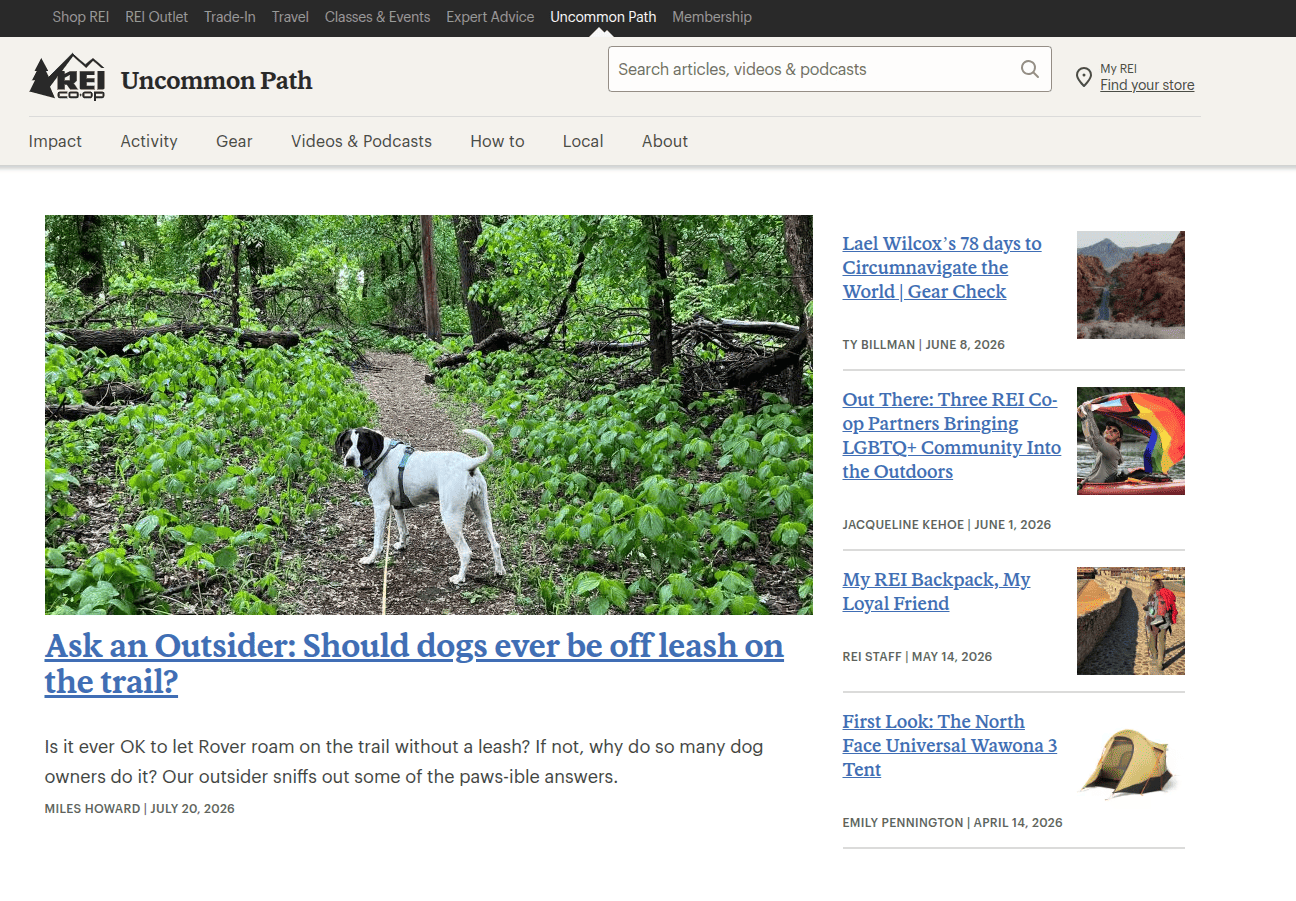
REI provides practical outdoor advice with content about its community commitments. It reinforces the co-op identity and gives members a reason to feel invested.
13. Mad Happy, The Local Optimist

Mad Happy, the apparel brand, runs a mental health-focused hub with articles, podcasts, playlists, and expert interviews. It rarely sells directly, yet the alignment between mission and content builds unusually strong brand affinity.
14. Outdoor Voices, The Recreationalist
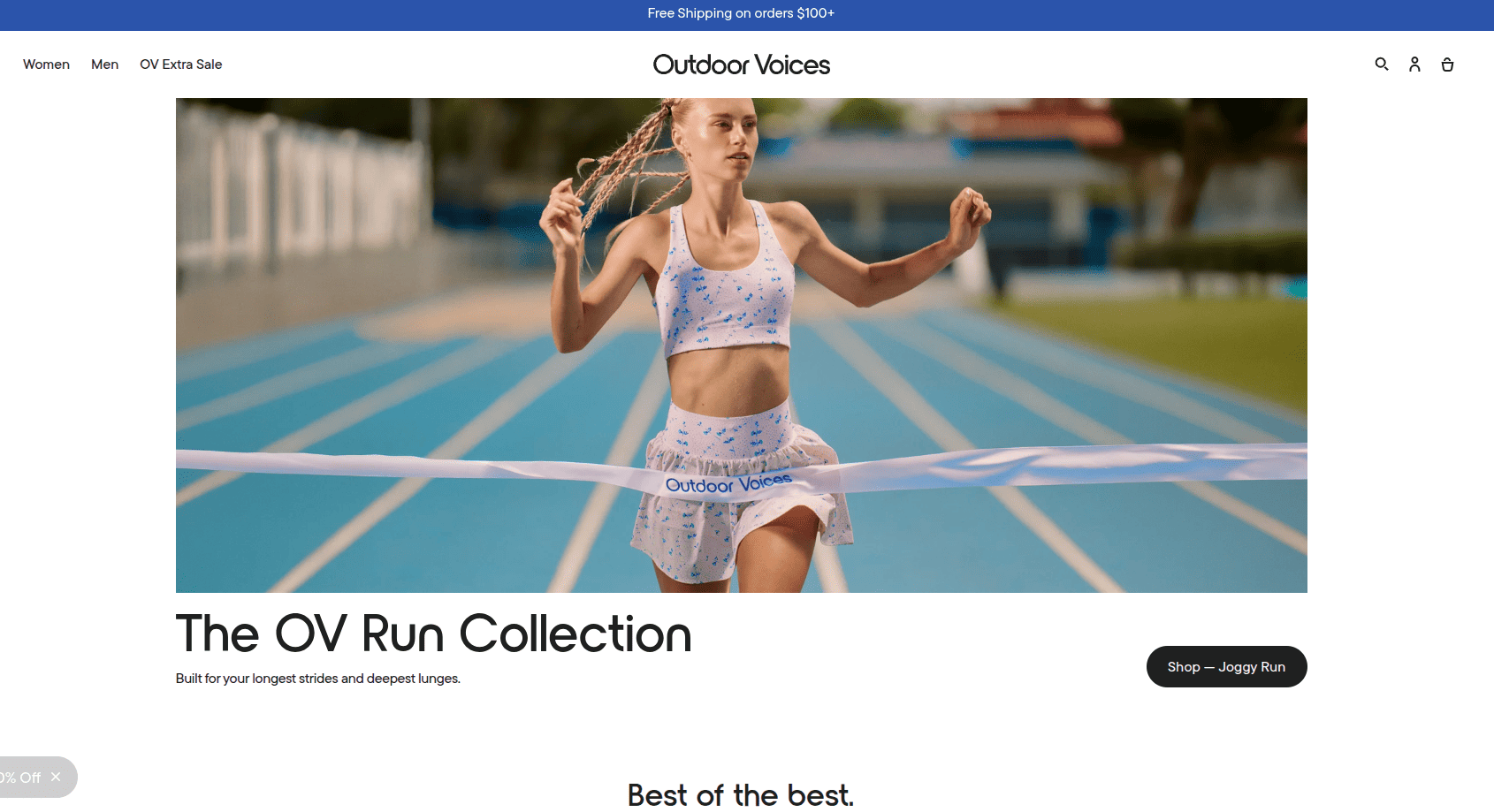
Outdoor Voices, The Recreationalist, uses a laid-back editorial space covering recreation, wellness, and lifestyle that matches the brand’s “doing things daily” positioning.
15. Thinx, Periodical
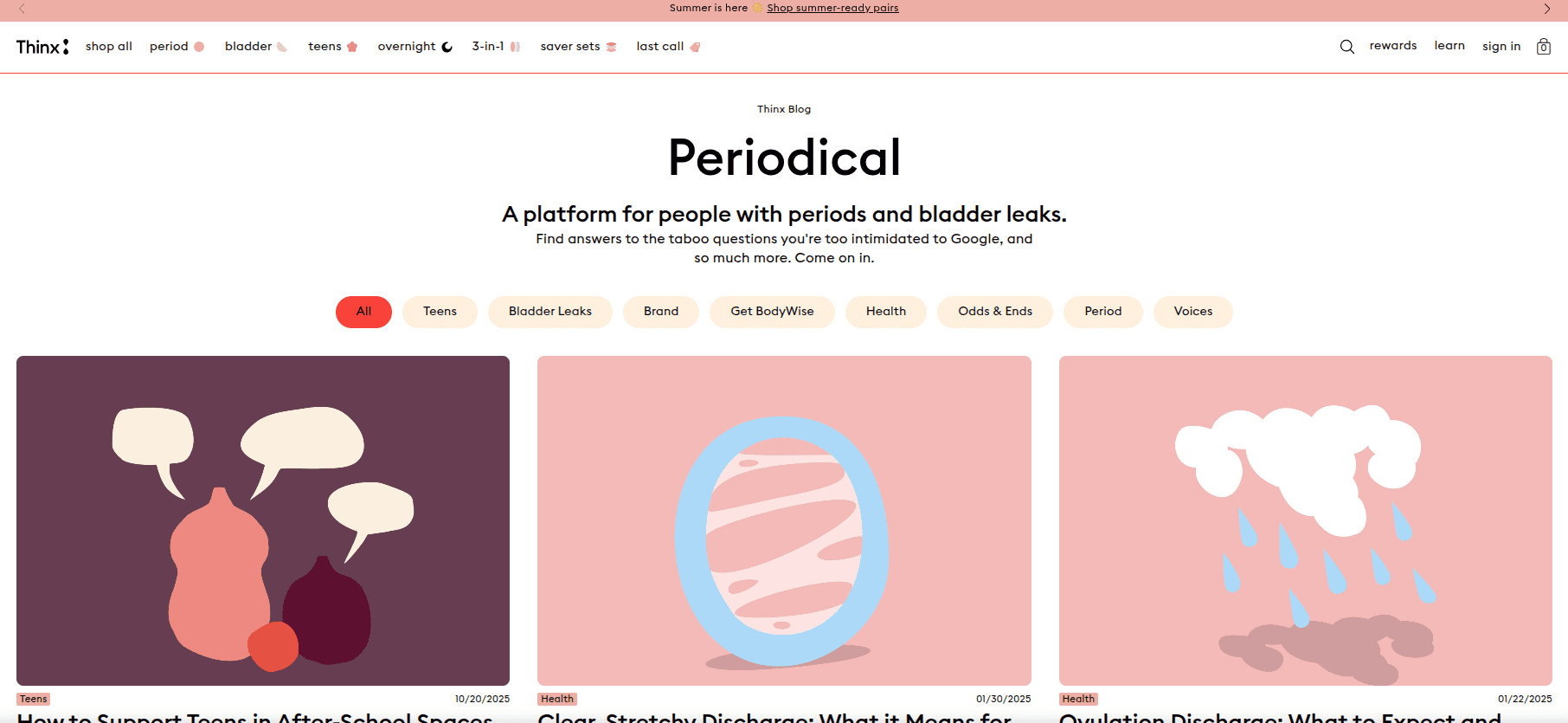
Thinx, Periodical, the period underwear brand, created a content platform around inclusivity, health, and real stories, with heavy internal linking that keeps readers moving between articles and products.
More brands worth studying
To go beyond the usual list, these e-commerce blogs are also strong models:
16. Gymshark Central: Workout guides, athlete features, and nutrition content that fuel one of the strongest fitness communities online.
17. Beardbrand: Grooming education and styling how-tos that built an audience before the products became household names.
18. Chewunt and pet retailers like Chewy (BeChewy): Pet care advice, checklists, and heartfelt stories that pair naturally with product recommendations.
19. Blume, HelloBlume content: Skincare and wellness education aimed squarely at a Gen Z audience.
20. Solo Stove: Fire pit and outdoor living guides that help buyers picture the lifestyle before they buy.
The best e-commerce blogs pick one clear job (brand, search, community, or direct sales), commit to it, and keep writing genuinely useful content.
From outline to publish-ready content that fills them

Structured
Consistent
SEO-aligned
Fast
E-commerce blog post examples that drive sales
Sometimes you do not need a whole new blog. You need proven post formats. These are individual article types that consistently move readers toward buying, with examples of how big retailers use them.
Buying guides
A retailer like Lowe’s publishes guides such as tools that make a paint job easier, with product links on every step.
DIY and how-to content
Step-by-step projects that require products the store happens to sell. Home improvement and craft retailers dominate here.
Seasonal and gift guides
Time-relevant posts like layering tips for autumn (Zappos style) or Easter and holiday gift roundups (Toys R Us style) that solve a specific, calendar-driven problem.
Designer and founder interviews
Retailers such as Neiman Marcus interview the creators behind the products, adding story and desirability, with every item linked for purchase.
Interactive content and quizzes
Overstock-style price-guessing and product-match quizzes that entertain first and route to a product page second.
Personal transformation stories
A HomeGoods-style “how one couch changed my living room” narrative that shows products in a real context and links each item.
The pattern across all of these: the content leads with value, and the product link is the natural next step rather than an interruption.
Also read: 120+ student blog examples in 2026.
Best e-commerce blog publications to follow and learn from
If your goal is to read e-commerce blogs to grow your own business, these industry publications are the most useful to follow. They are grouped by what they are best for.
Platform and foundational blogs
- Shopify Blog: The broadest resource for merchants, covering store setup, marketing, shipping, and platform updates.
- BigCommerce Blog: Deeper, scaling-focused content with case studies and guest posts from established brands.
- WooCommerce Blog: Practical guidance for stores built on WordPress and WooCommerce.
Entrepreneurship and growth
- A Better Lemonade Stand: In-depth, well-researched guides for launching and growing a lean store.
- eComFuel: Strategy and operations content aimed at serious, multi-figure merchants.
- Practical Ecommerce: Hands-on answers to everyday merchant problems like cart abandonment and checkout friction.
Marketing, email, and retention
- HubSpot Blog: Long-term strategy on customer journeys, retention, and lifecycle marketing.
- Klaviyo Blog: Email and SMS automation tailored to e-commerce.
- Omnisend Blog: Multichannel messaging and marketing automation.
- Yotpo Blog: Loyalty, reviews, and user-generated content.
SEO, conversion, and specialist topics
- Search Engine Journal: SEO tactics, including content that applies directly to online stores.
- Prisync Blog: Pricing strategy and competitive intelligence.
- E-Commerce Nation: International selling and cross-border logistics.
- Elastic Path Blog: Headless and composable commerce for tech-forward teams.
Also read: 23 best product blog examples in 2026.
What makes a great E-commerce blog
The examples above share a set of traits. If you want yours to compete, aim for these.
- A clear, single purpose: Decide whether the blog exists mainly for search traffic, brand building, community, or direct sales. Trying to do all four with equal weight usually produces a blog that does none well.
- Content tied to what customers actually care about: The topics extend beyond the product into the customer’s wider life and interests, which is what earns repeat readers.
- Search intent baked in: Great blogs target questions and phrases their buyers are already typing into Google, then answer them more completely than anyone else.
- A consistent brand voice and look: The blog feels like a natural extension of the store, not a generic content mill.
- Smart, non-pushy internal links: Products and related articles are linked where they genuinely help, guiding readers deeper without a hard sell.
- A publishing rhythm: Consistency signals authority to both readers and search engines. A steady cadence beats an occasional burst.
Write content that’s built to rank, not just read
Create search-optimized blogs aligned with SEO and GEO signals, so your content performs well across search and AI-driven discovery.
Try SEO Blogging FREE →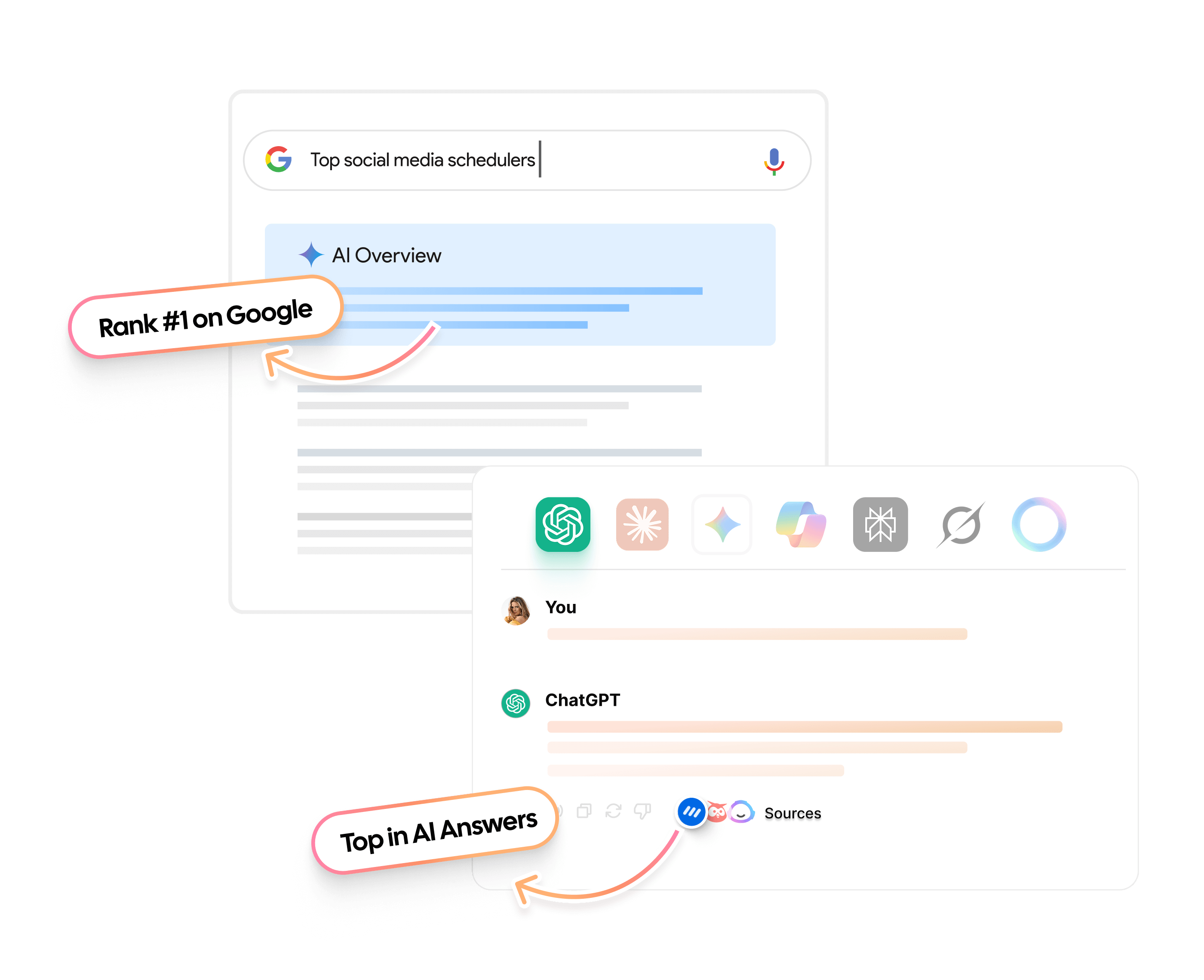
Types of E-commerce blog content that work
Not sure what to publish? These formats perform reliably for online stores:
- Buying and comparison guides (“best X for Y,” “X vs Y”)
- How-to and tutorial posts that use your products
- Recipes (for food, kitchen, and wellness brands)
- Gift guides and seasonal roundups
- Answer posts that resolve a single common question
- Founder, maker, and customer interviews and stories
- Trend reports and original data or surveys
- Sustainability, mission, and behind-the-scenes content
- Quizzes and interactive tools
- Buyer education (“how to choose,” “what to look for”)
A healthy blog mixes search-driven workhorses (guides and answer posts) with brand-building pieces (stories and mission content).
Also read: 30+ travel blog examples.
Why E-commerce brands have blogs
The reasons a blog earns its place come down to three benefits, plus a few honest caveats.
The case for a blog
- Brand building: A blog lets you express values and personality on topics that reach beyond your catalogue, which reinforces who you are in a crowded market.
- Customer retention: Useful or entertaining content gives customers a reason to return between purchases, turning one-time buyers into a loyal audience.
- SEO and discovery: A blog is how you target high-volume search queries your product and category pages cannot rank for on their own, bringing in visitors who did not know your brand yet.
The honest arguments against
- It takes real resources: Planning, writing, editing, promotion, and maintenance add up. A neglected blog can hurt more than help.
- It needs a defined strategy and KPIs: Without clear goals, a blog drifts and becomes impossible to justify.
- It can distract from the core store: Too much content, or content that belongs on product pages, can pull people out of the buying journey.
- It is not right for every brand: Some audiences, and some luxury positionings, may not engage with a blog, though this is more often an execution problem than a rule.
If you can commit to a strategy and a cadence, the benefits usually outweigh the costs. If you cannot, it is better to wait than to launch a blog you will abandon.
How to start an E-commerce blog, step by step
This is the part the ranking competitors leave out. Here is a practical path from zero to a blog that works.
#1 – Define one primary goal: Traffic, brand, community, or sales. Write it down and let it guide every later decision.
#2 – Know your audience and their questions: List the problems, curiosities, and decisions your customers face before and after buying.
#3 – Do keyword research: Use a keyword research tool to find the search terms behind those questions, prioritising ones with real volume and buyer intent that you can realistically rank for.
#4 – Build a content plan around topic clusters: Group related posts around a core theme so they support each other and signal authority.
#5 – Choose formats that fit each topic: Match buying guides, how-tos, answer posts, and stories to intent.
#6 – Set a realistic publishing cadence: One strong post a week beats five thin ones followed by silence.
#7 – Write for humans first, then optimise: Lead with value, then add the on-page SEO elements below.
#8 – Add internal links and clear next steps: Point readers to related articles and relevant products.
#9 – Promote every post: Email, social, and outreach do the work search cannot do on day one.
#10 – Measure, update, and refresh: Track results and periodically update older posts to keep them ranking.
How to write an E-commerce blog with Contentpen
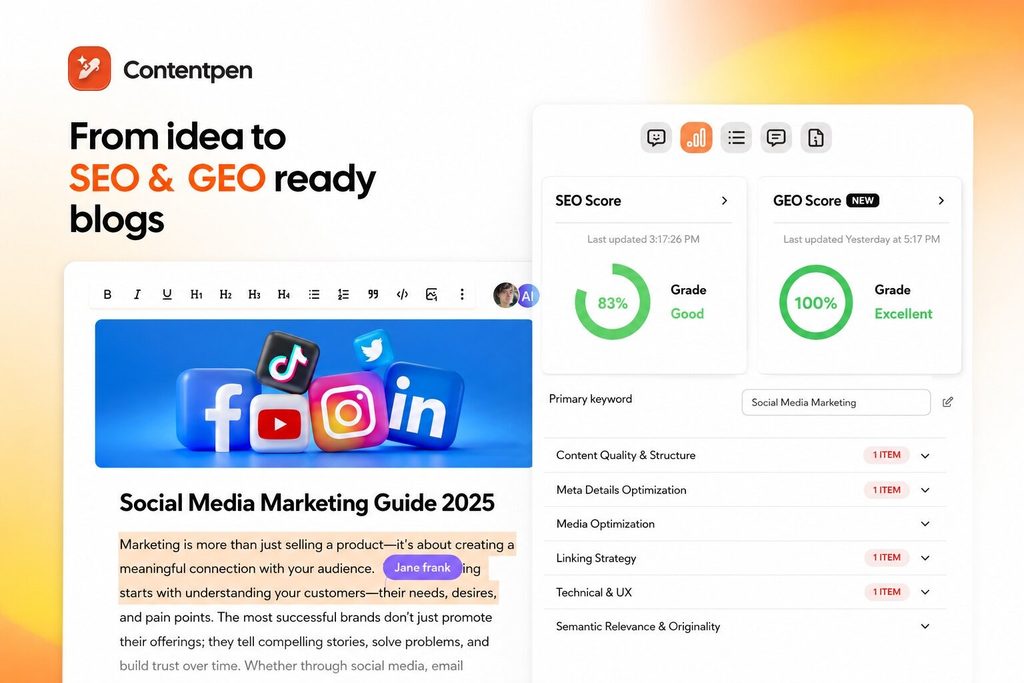
The manual process above works, but it asks you to juggle a keyword tool, a writing document, an SEO checker, an image editor, and your store’s CMS, then repeat it for every post.
Contentpen is an AI SEO and AEO content platform that folds that entire workflow into one place, from keyword research to publishing and tracking.
The 10-step approach to writing e-commerce blogs with Contentpen
Here is how the same 10 steps look when you run them through Contentpen.
- Set your goal and let it learn your brand
Contentpen analyses your website, existing content, and brand assets to build a knowledge base of your voice, tone, audience, and competitors. - Find your audience’s real questions automatically
Instead of guessing, Contentpen maps what your customers are actually searching for and surfaces high-intent, “real money” keywords tied to buyer demand. - Do keyword research and clustering in one step
The platform groups related keywords into topical clusters that build authority and runs SERP analysis and content gap detection to show exactly where competitors are winning and where the openings are. - Get a research-backed outline
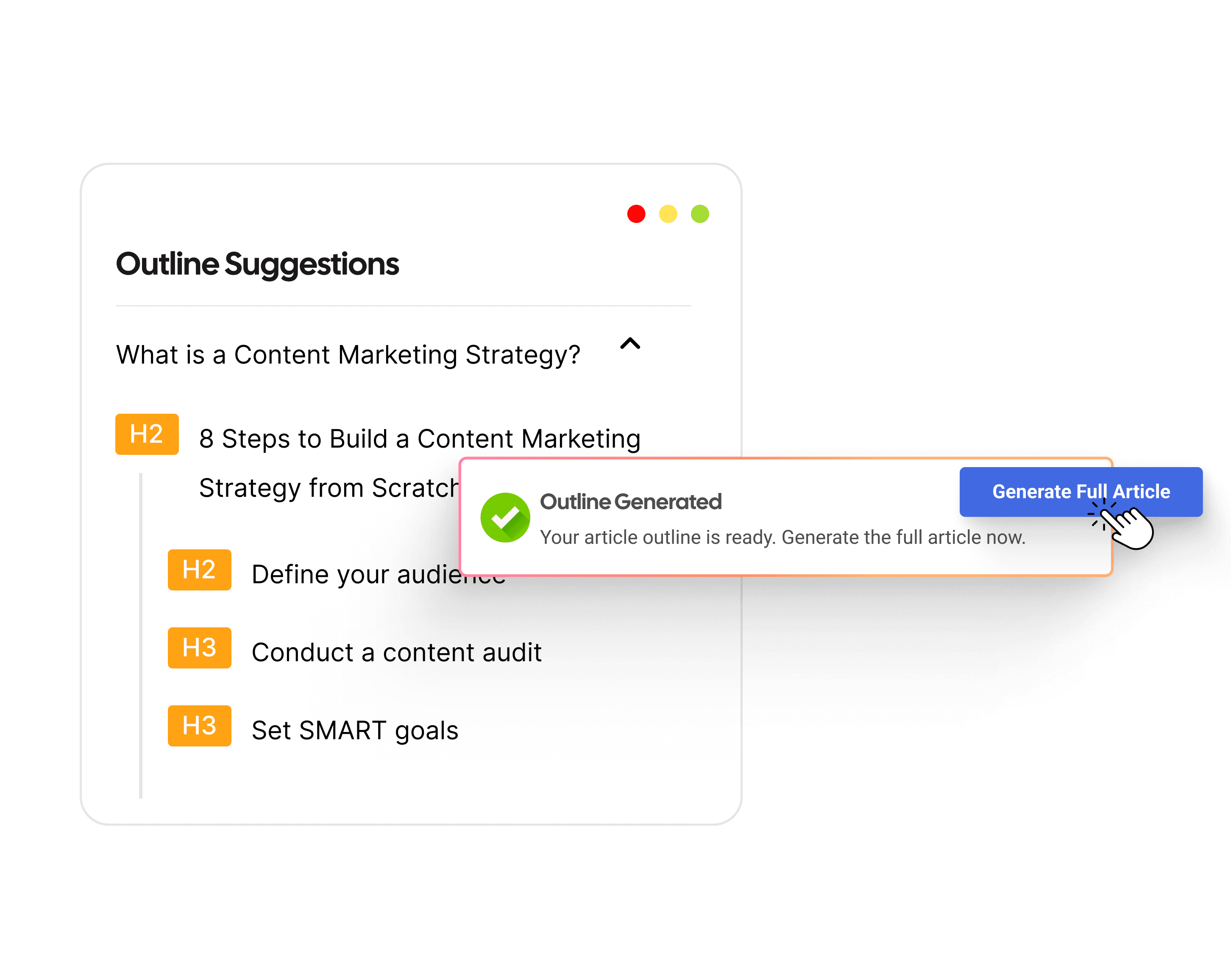
Contentpen generates a structured, semantic SEO outline aligned to search intent, with suggested title, target prompt, and secondary keywords. - Choose format and structure with presets
You pick tone of voice, audience, article length, and extra sections like key takeaways, table of contents, conclusion, and FAQs. Presets keep messaging consistent across every post. - Generate a high-quality first draft
Specialised AI agents handle research, drafting, and optimisation together, producing a comprehensive article written in your brand voice. - Optimise for search and AI answers as you write
Every draft comes with a live SEO score and AEO score plus one-click fixes, so posts launch ready to rank and to surface in AI answers. - Add internal and external links automatically
Contentpen places smart internal links using your sitemap and finds high-authority external sources based on context and relevance. - Generate images and publish in one click
The tool creates a feature image and in-article visuals in your chosen style, then publishes directly to Shopify, WordPress, Wix, Webflow, or Ghost. - Track, refresh, and scale
Built-in analytics show your search rankings and AI visibility down to the page and prompt level, flag traffic opportunities, and support content refresh workflows. Bulk generation and multi-language output (50+ languages) let you scale a consistent blog without adding headcount.
E-commerce blog SEO best practices
To actually rank for terms like “E-commerce blog examples,” follow these fundamentals:
- Target one primary keyword per post, plus closely related secondary terms.
- Put a direct answer near the top, ideally within the first hundred words, to win featured snippets and satisfy readers fast.
- Use a clear heading structure with your keyword in the title and in relevant subheadings.
- Write comprehensive content that covers the topic more completely than competing pages.
- Add internal links to related posts and to category and product pages.
- Earn external links through genuinely useful, linkable content like original data and guides.
- Optimise for on-page basics: descriptive title tag, compelling meta description, clean URL, and alt text on images.
- Answer related questions in an FAQ section to capture “People also ask” results.
- Keep pages fast and mobile-friendly, since both affect rankings and conversions.
- Refresh older content on a schedule so it does not decay.
How to measure E-commerce blog success
Tie the blog to numbers from the start. Track:
- Organic traffic and keyword rankings for target terms.
- Check engagement, bounce rates, time on page, pages per session, and scroll depth.
- Returning visitors, a signal of loyalty and brand building.
- Email sign-ups driven by blog content.
- Assisted conversions and revenue, using analytics to see how blog readers eventually buy.
- Internal link clicks from articles to product and category pages.
Which metrics matter most depends on the primary goal you set in step one.
Ready to build one? Start by writing down a single goal and ten questions your customers ask before they buy. That list is the seed of a blog that ranks and sells.